Sunlight and Vitamin D: Essential Science for Immunity and Health
The Biology of Natural Defense
Throughout the global health challenges of viral epidemics, the human immune system serves as our primary biological defense against respiratory pathogens. Clinical research has shown that clinical outcomes vary widely between individuals—a divergence strongly influenced by underlying immune health and nutritional status.
Epidemiological studies have repeatedly highlighted an intriguing correlation: individuals with sufficient physiological levels of vitamin D experience lower rates of severe respiratory tract infections, while vitamin D deficiency correlates with heightened vulnerability and pulmonary complications. Understanding the relationship between sunlight and vitamin D synthesis provides critical insights for preventive public health.
Photochemical Synthesis in Human Skin
Unlike dietary vitamins that must be ingested through food, vitamin D behaves biologically as a secosteroid prohormone that the human body synthesizes endogenously through solar exposure.
When ultraviolet B (UVB) radiation from sunlight strikes the epidermis, photons penetrate into the stratum spinosum and stratum basale, where they interact with 7-dehydrocholesterol. This photochemical reaction converts the provitamin into previtamin $\text{D}_3$, which undergoes thermal isomerization into cholecalciferol (vitamin $\text{D}_3$). Subsequent enzymatic hydroxylations in the liver and kidneys transform it into its biologically active hormonal form: calcitriol ($1,25\text{-(OH)}_2\text{D}$).
Immunological Mechanisms: Guarding Against Infection
Calcitriol plays a profound role across both innate and adaptive immune pathways:
- Antimicrobial Peptide Induction: Active vitamin D binds to vitamin D receptors (VDR) expressed on monocytes and macrophages, stimulating the transcription of cathelicidins and defensins—natural antimicrobial peptides that disrupt viral lipid envelopes.
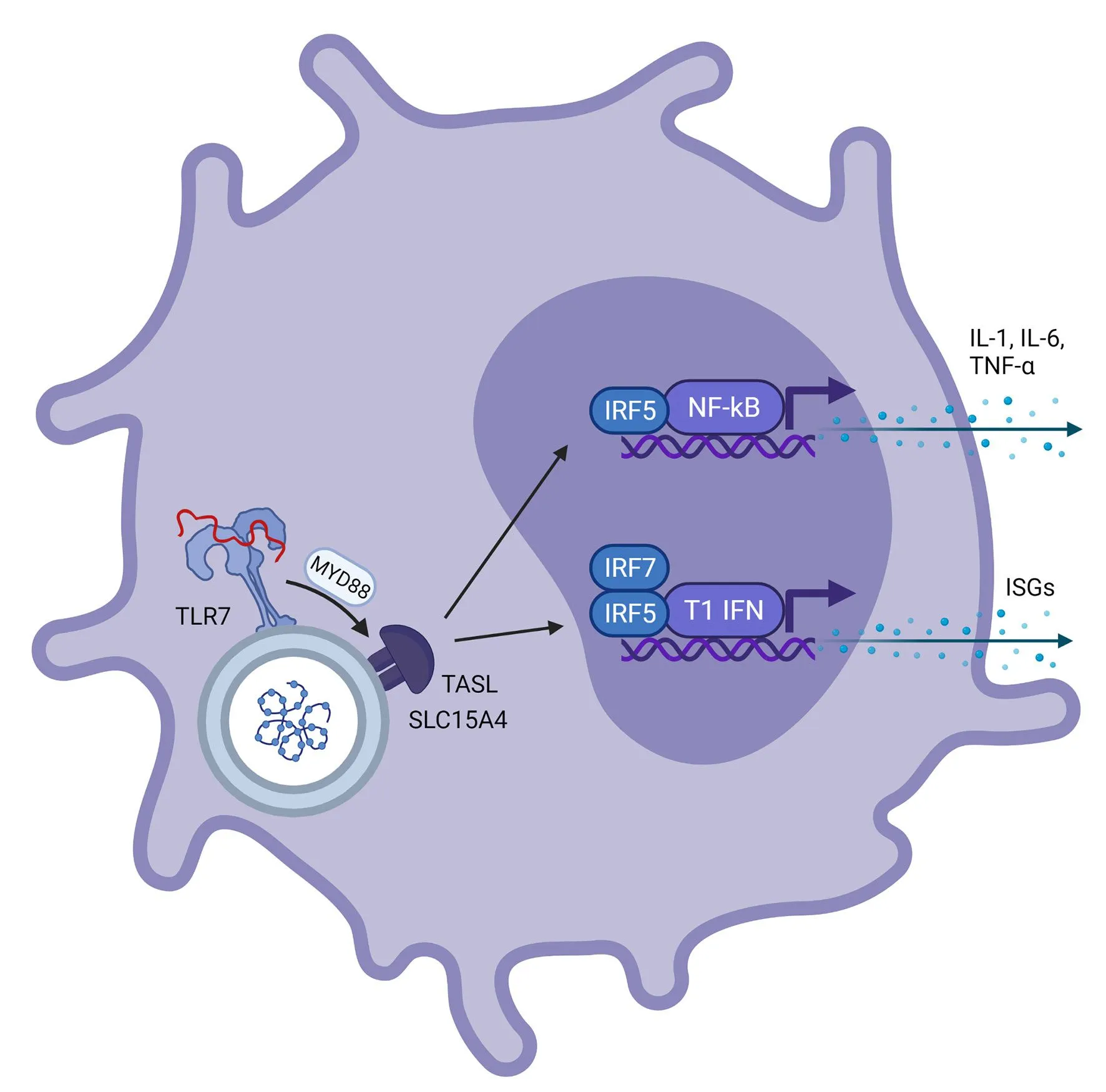
- Modulating the Inflammatory Cascade: During acute respiratory viral infections, life-threatening damage often arises from hyperactive inflammatory reactions (the cytokine storm). Vitamin D downregulates pro-inflammatory cytokines such as interleukin-6 (IL-6) and tumor necrosis factor-alpha (TNF-$\alpha$), reducing pulmonary inflammation.
Modern Lifestyles and the Deficiency Epidemic
Despite abundant sunlight in subtropical and tropical nations, modern sedentary lifestyles—characterized by indoor office work, high-rise living, and cultural sun-avoidance—have triggered a widespread global deficiency epidemic.
Conversely, agricultural laborers and outdoor workers who spend significant daylight hours in natural sunlight naturally maintain optimal serum 25-hydroxyvitamin D concentrations, conferring baseline immunological resilience.
Sensible Sun Exposure Guidelines
Maintaining adequate vitamin D does not require prolonged, harmful sunbathing. Medical professionals recommend exposing the arms, legs, or back to midday sunlight for fifteen to twenty minutes several times a week. Because glass windows absorb virtually all UVB wavelengths, sun exposure must take place outdoors, on balconies, or in open courtyards.
Conclusion
The biochemical link between sunlight and vitamin D highlights how fundamental evolutionary adaptations sustain human vitality. Embracing sensible sun exposure offers a simple, cost-effective way to fortify our immune defenses and support lifelong wellness.