Gender Disparity in COVID-19: Why the Coronavirus Hits Men Harder
The Global Epidemiological Pattern
Throughout the COVID-19 pandemic, epidemiological dashboards from Europe, Asia, and the Americas consistently revealed a stark clinical trend: while men and women contracted SARS-CoV-2 at comparable rates, male patients suffered significantly higher rates of intensive-care hospitalization and mortality. In multiple countries, the male mortality rate was nearly double that of female cohorts.
While social factors such as smoking prevalence and delayed healthcare-seeking behavior were initially proposed as explanations, biomedical research demonstrated that this COVID-19 gender disparity is rooted in fundamental genetics and endocrine biology.
The X Chromosome: The Genetic Epicenter of Immunity
Human biological sex is governed by the twenty-third pair of chromosomes: females possess two X chromosomes (XX), whereas males possess one X and one Y chromosome (XY). The X chromosome harbors the largest concentration of immune-related genes in the entire human genome.
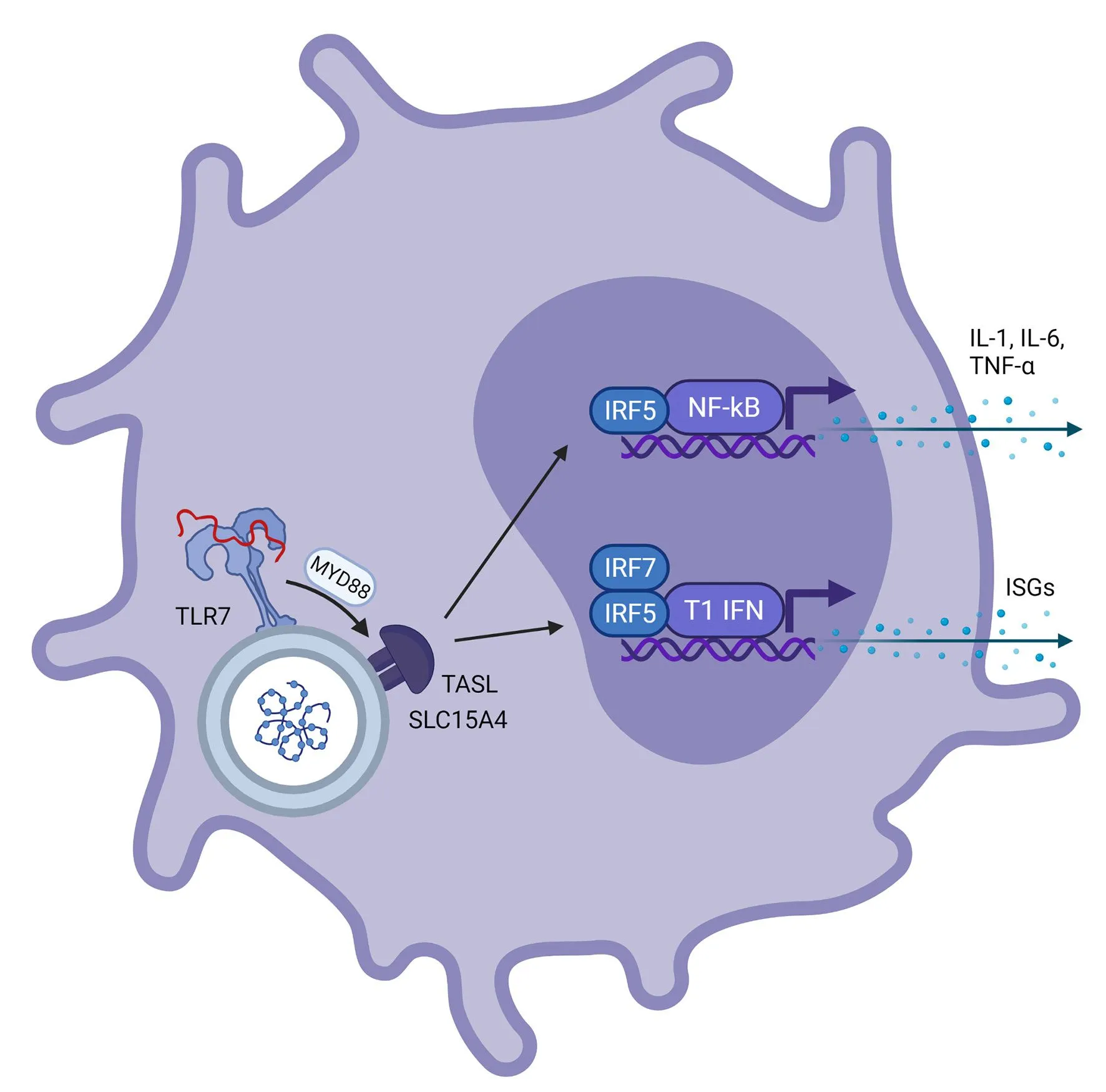
Prominent among these is the TLR7 (Toll-Like Receptor 7) gene, which encodes an endosomal sensor for single-stranded viral RNA. Upon encountering coronavirus particles, TLR7 triggers an immediate downstream surge of Type I interferons, mounting an early antiviral defense:
- Female Advantage: In female cells (XX), one X chromosome is largely silenced through X-chromosome inactivation. However, roughly $15\%$ to $20\%$ of X-linked genes—including key immune sentinels like TLR7—escape inactivation, resulting in higher baseline expression of protective immunological proteins. Furthermore, having two copies provides a genetic backup if one allele carries a deleterious mutation.
- Male Vulnerability: Biological males (XY) carry only one copy of the X chromosome. Any loss-of-function mutation or reduced expression directly impairs the interferon response, leaving the individual defenseless against explosive viral replication.
Hormonal Influences: Estrogen Versus Testosterone
Sex hormones further widen this immunological divergence:
- Estrogen and Progesterone: Female sex hormones stimulate antibody production by B cells, enhance T-cell cytotoxicity, and downregulate destructive hyper-inflammatory cytokine storms in lung tissue.
- Testosterone: High testosterone concentrations exert immunosuppressive effects, blunting early interferon responses. Furthermore, elevated androgen levels correlate with increased expression of TMPRSS2, a host cell-surface protease required by the SARS-CoV-2 spike protein to infect pulmonary cells.
Viral Reservoirs and Tissue Tropism
Clinical studies also identified that testicular tissue expresses high levels of the ACE2 receptor, providing an immunologically privileged viral reservoir where SARS-CoV-2 can persist longer in male patients compared to female ovarian tissues.
Conclusion
The pronounced COVID-19 gender disparity provides profound insights into sex-based immunology. By understanding how X-linked genetics and sex hormones modulate immune resilience, medical science can design tailored therapeutic protocols and precision treatments for viral respiratory infections.