How Vaccines Work: Immunology, Memory Cells, and Vaccine Science

Vaccines as Proactive Immune Shields
A vaccine is not a curative therapeutic drug administered to treat an active disease; rather, it is a proactive medical intervention designed to train the biological immune system to recognize and neutralize dangerous pathogens before they can establish an infection. To understand how vaccines work, one must explore the intricate defense mechanisms of the human immune system.
The body can be envisioned as a fortified biological sanctuary, with the immune system acting as its surveillance and armed defense network against invading viruses, bacteria, and parasites.
The Layers of Cellular Defense
When pathogenic microorganisms breach physical epithelial barriers, the immune system mobilizes coordinated tiers of white blood cells:
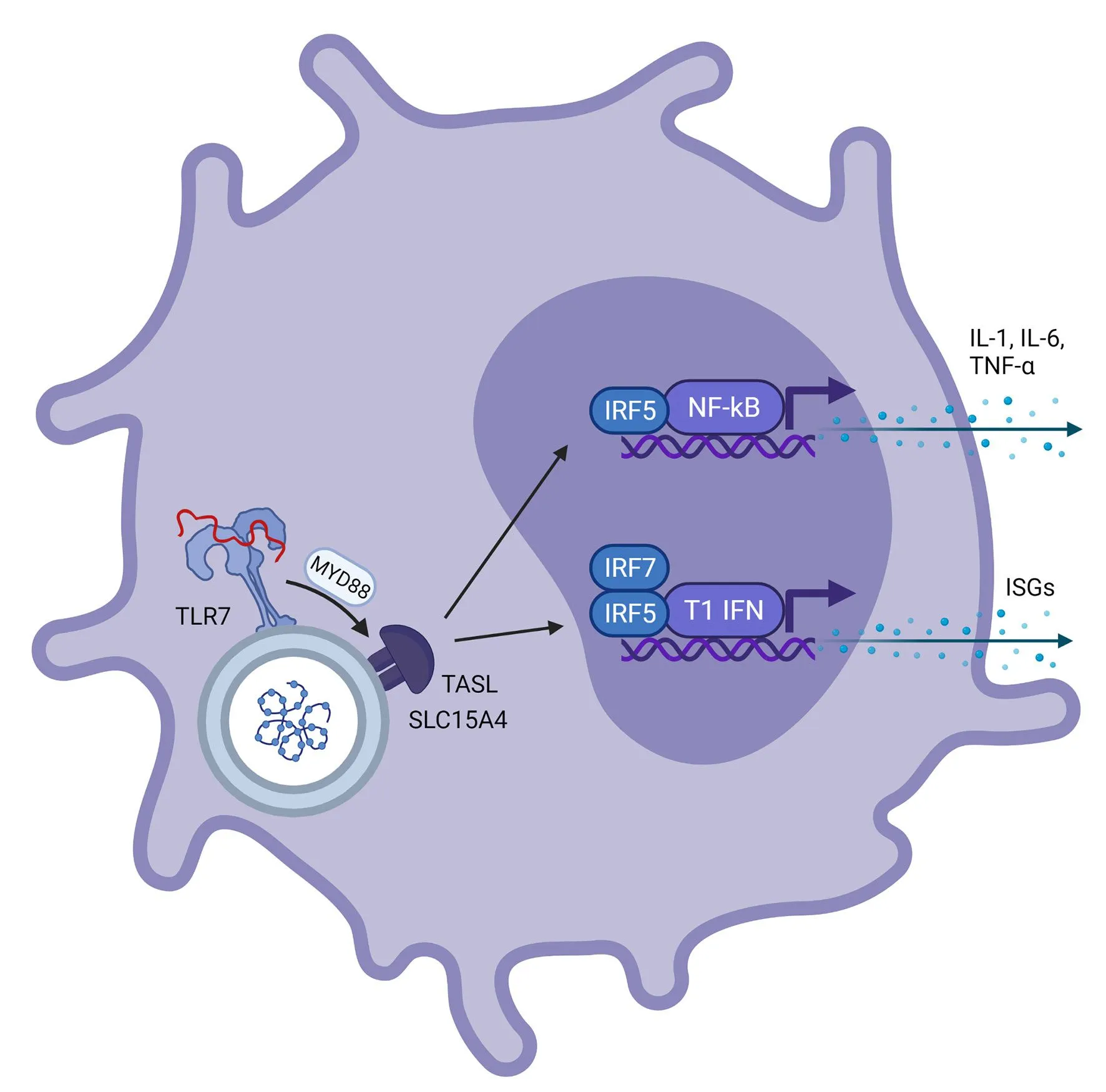
- Macrophages (Innate First Line): Large phagocytic cells that ingest and digest foreign invaders, displaying distinctive molecular fragments—known as antigens—on their cell surfaces.
- B Lymphocytes (Humoral Immunity): White blood cells that recognize specific foreign antigens and secrete specialized Y-shaped targeting proteins called antibodies. These antibodies bind to viral surface antigens, neutralizing their infectivity and tagging them for destruction.
- T Lymphocytes (Cell-Mediated Immunity): Helper T cells coordinate the immune response, while cytotoxic (killer) T cells seek out and destroy already-infected host cells to halt intracellular replication.
- Immunological Memory: Crucially, a subpopulation of stimulated B and T cells differentiates into long-lived memory cells. These memory sentinels patrol the bloodstream for decades, ensuring that if the real pathogen ever attacks, the immune system launches an immediate, overwhelming counterattack before illness can develop.
From Edward Jenner to Modern Vaccine Platforms
The foundations of modern immunization were established in 1796 by British physician Edward Jenner. Observing that milkmaids exposed to mild cowpox were immune to deadly smallpox, Jenner inoculated an eight-year-old boy with cowpox fluid, demonstrating effective protective immunity. This landmark experiment paved the way for vaccines that eradicated smallpox and brought diseases like polio, measles, diphtheria, and tetanus under global control.
Modern Vector Platforms: The Oxford AstraZeneca Vaccine
During the COVID-19 pandemic, vaccine innovation reached unprecedented speed. At the University of Oxford’s Jenner Institute, a team led by Professor Sarah Gilbert developed the ChAdOx1 nCoV-19 vaccine.
This platform utilized a replication-deficient chimpanzee adenovirus engineered as a harmless delivery vector. The vector carried the genetic blueprint for the SARS-CoV-2 spike glycoprotein. Upon injection, host cells briefly produced the harmless spike protein, triggering robust antibody and memory T-cell responses without exposing patients to the live coronavirus.
Conclusion
Knowing how vaccines work illuminates one of the greatest triumphs in public health. By safely simulating infection and generating durable immunological memory, vaccination turns our body’s natural defense network into an impregnable biological shield.