The Future of Technology: Transforming Humanity, Medicine, and Civilization
The Accelerating Trajectory of Human Innovation
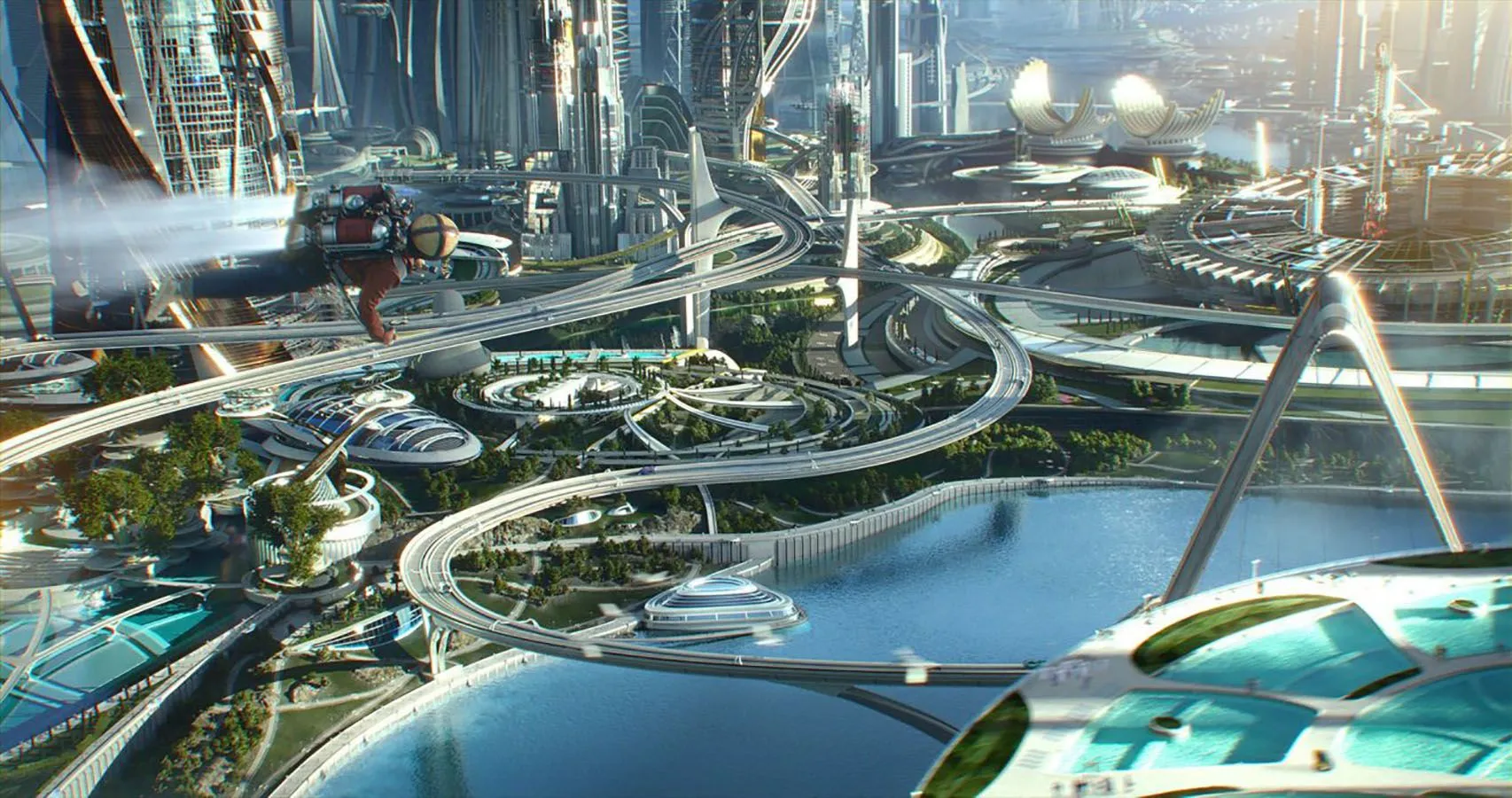
Reflecting on the pace of human innovation reveals a striking historical truth: technologies that once belonged exclusively to science fiction routinely become the mundane reality of subsequent generations. A single century ago, intercontinental travel required weeks of arduous ocean voyages, and communicating across continents was nearly impossible. Today, jet airliners cross hemispheres in hours, and high-definition video calls instantly connect billions across the globe.
As computational power, material science, and molecular genetics converge, the future of technology promises transformations that will radically reshape the human species, our health, and the planet itself.
Biotechnology and Precision Genetic Editing
In the biomedical sciences, revolutionary tools like CRISPR-Cas9 base editors and prime editing systems are transitioning medicine from symptomatic treatments to fundamental genetic cures:
- Eradicating Hereditary Illnesses: Genetic therapies are currently entering clinical reality for sickle-cell anemia, beta-thalassemia, and congenital blindness, paving the way to cure complex monogenic and polygenic diseases.
- Next-Generation Agriculture: CRISPR-enhanced crops engineered for extreme drought tolerance, high saline resistance, and enhanced nitrogen fixation will safeguard global food supplies against accelerating climate shifts.
Nanomedicine and Cellular Robotics
Parallel to genetics, nanotechnology is engineering devices at the atomic scale ($1$ to $100$ nanometers). Within the next few decades, synthetic medical nanorobots may patrol human blood vessels, actively detecting circulating tumor cells, clearing atherosclerotic plaque from arterial walls, and delivering targeted chemotherapy molecules directly inside cancer cells without damaging healthy tissues.
Artificial Intelligence and Autonomous Transportation
Artificial Intelligence (AI) and machine learning are fundamentally automating cognitive labor, scientific discovery, and physical mobility. Autonomous, electric transport networks will eliminate millions of vehicular fatalities annually, dramatically reduce urban carbon emissions, and redefine civil infrastructure. Fossil-fuel internal combustion engines will give way to solid-state batteries and solar-powered microgrids.
Extending Longevity and the Cosmic Horizon
Perhaps the most profound frontier of twentieth-first-century science is cellular rejuvenation and longevity research. By discovering mechanisms to repair telomeres, eliminate senescent “zombie” cells, and reset epigenetic clocks, scientists aim to compress human morbidity and extend active, healthy human lifespans well past a century.
Beyond our terrestrial cradle, autonomous robotics and deep-space propulsion will establish permanent lunar outposts and Martian settlements, taking humanity’s first steps toward becoming an interstellar species. In every epoch, yesterday’s wild imagination has become tomorrow’s scientific fact—and the future of technology will carry humanity far beyond our current horizons.