Surviving Two Atomic Bombs: Tsutomu Yamaguchi
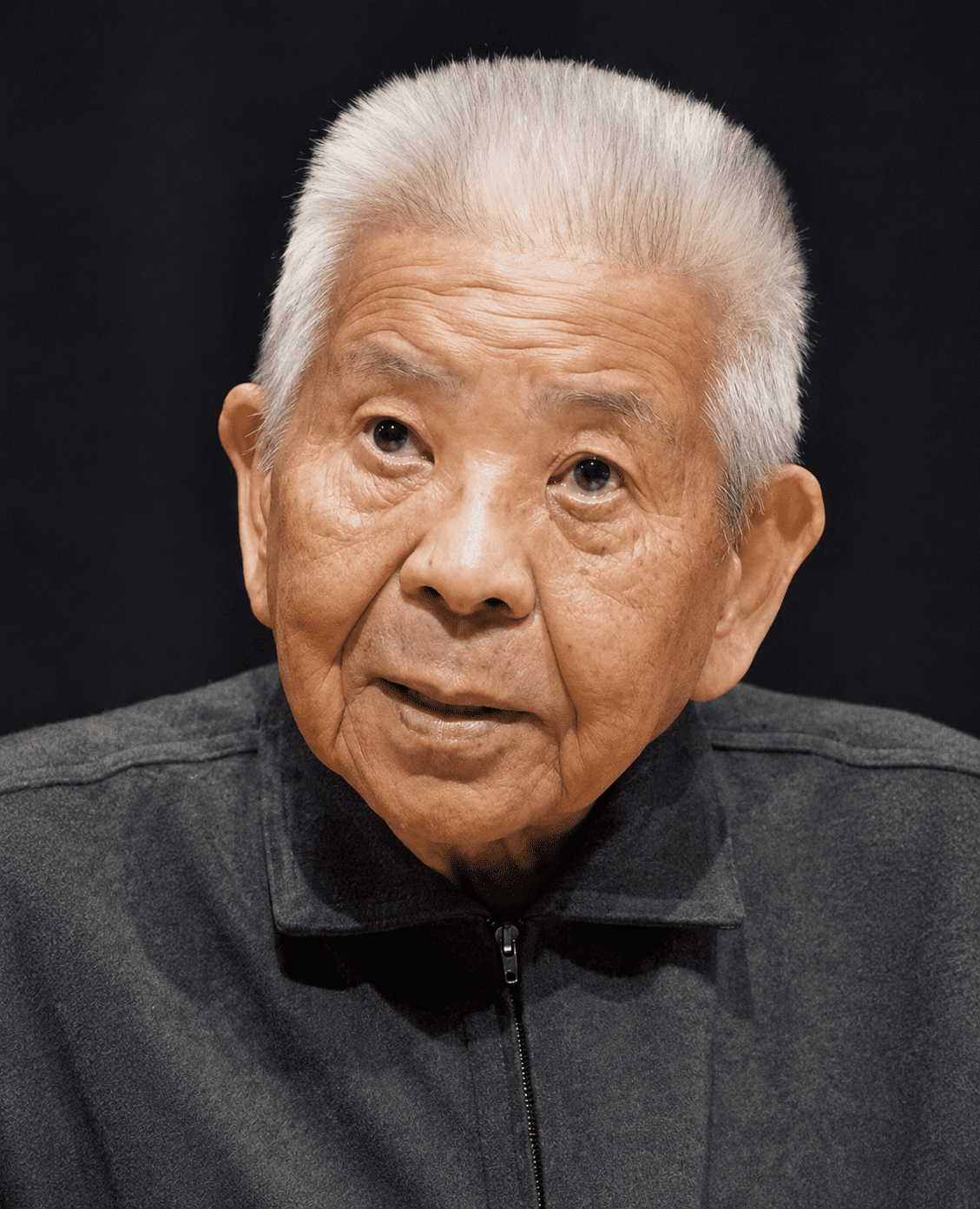
August 1945. The twilight hours of World War II. Over the skies of Japan, the most destructive weapon in human history was about to be unleashed.
On the morning of 6 August, a 29-year-old naval engineer was in Hiroshima on business. His name was Tsutomu Yamaguchi. Suddenly, looking up at the sky, he noticed an American B-29 bomber. A split second later, a blinding flash tore across the heavens.
The first atomic bomb in human history had detonated over Hiroshima. Standing barely three kilometers from ground zero, Yamaguchi was hurled through the air by the shockwave into wreckage. Yet, against all odds, he survived.
The following day, enduring immense pain, he managed to board a train back to his hometown of Nagasaki. His body was swathed in bandages. On the morning of 9 August, while sitting in his workplace recounting the horrors of Hiroshima to disbelieving colleagues, another B-29 bomber appeared in the skies above.
Moments later, the second atomic bomb detonated over Nagasaki. Once again, a blinding white flash. Once again, catastrophic blast winds and total devastation.
Miraculously, for the second time in seventy-two hours, Yamaguchi survived.
The Hiroshima explosion left Tsutomu Yamaguchi with severe burns across the left side of his body, ruptured eardrums, and temporary blindness. In the aftermath, he fell grievously ill from acute radiation sickness, losing his hair, suffering prolonged high fevers, and enduring severe physical depletion. Across Hiroshima and Nagasaki, countless hibakusha succumbed to radiation poisoning, bone marrow destruction, and long-term malignancies. Yet Yamaguchi gradually recovered, going on to live for more than six decades.
The government of Japan formally recognized Tsutomu Yamaguchi as a certified survivor of both atomic bombings. Throughout the remainder of his life, he campaigned tirelessly against nuclear proliferation, repeatedly imploring world leaders that no human being should ever again witness such horrors.
Yamaguchi passed away in 2010 at the age of ninety-three. His remarkable life stands as a testament that while scientific knowledge can yield miraculous blessings, in the wrong hands it can unleash unimaginable devastation upon civilization.
Surviving the atomic devastation of both Hiroshima and Nagasaki, Tsutomu Yamaguchi is not merely a historical figure; he endures as a living monument to human resilience and an eternal warning against the catastrophic peril of nuclear warfare.