Why the Japanese Live Longer
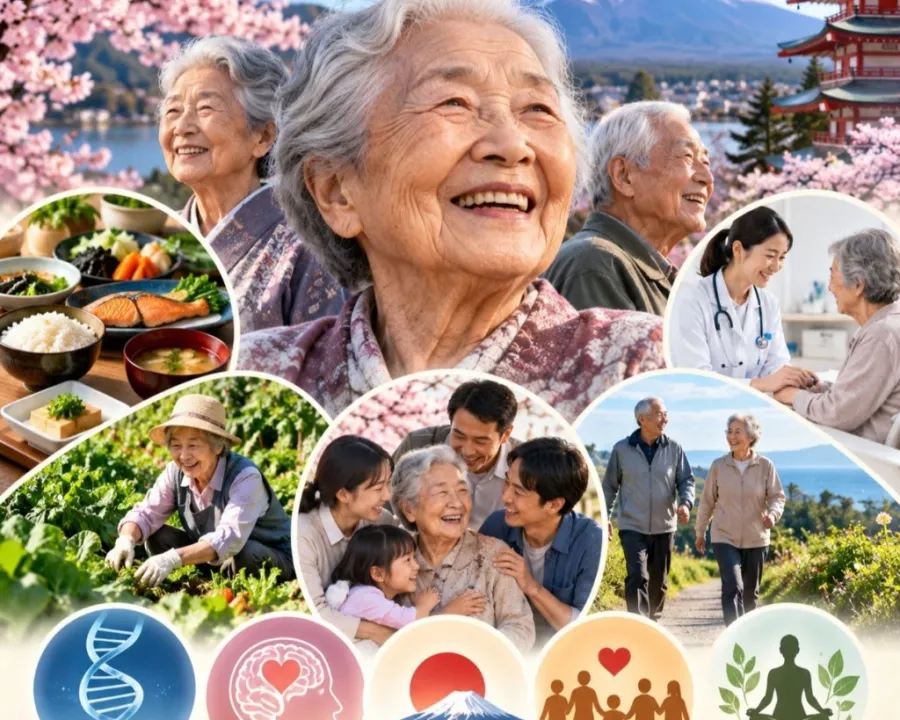
The count of centenarians in Japan has exceeded 100,000 for the first time. In 2026, the country counts 107,677 people aged 100 or older—and remarkably, 87.6 percent of them are women. What are the Japanese longevity secrets that explain why they live so long?
There is no single magic bullet behind this phenomenon. Instead, several interrelated factors work together in harmony.
A Healthy and Balanced Diet
Traditional Japanese cuisine emphasizes fish, fresh vegetables, soybeans, and fermented soy products, while remaining relatively low in excess calories and saturated fats. Numerous medical researchers have linked Japan’s extraordinary life expectancy directly to this nutritious dietary pattern.
Moderation in Eating
The traditional Japanese practice of hara hachi bu teaches people to stop eating when their stomachs are about 80 percent full. This mindful habit curbs surplus calorie intake and supports healthy metabolic function. In Japanese culture, leaving the table slightly unsatisfied is considered an investment in lasting wellness.
Staying Physically Active
Even into advanced age, many Japanese seniors remain consistently active through walking, tending gardens, running daily errands, and taking public transit. Rather than relying solely on structured gym workouts, physical movement is woven seamlessly into the fabric of everyday life. Staying active is simply second nature.
A Sense of Purpose: Ikigai
Japan cherishes a beautiful philosophy known as ikigai—the reason for getting up in the morning. Nurturing close ties with family, friends, and community, combined with having a meaningful role in society, helps preserve mental acuity and emotional vigor. Ikigai provides seniors with enduring motivation and a zest for life.
Universal, High-Quality Healthcare
Routine medical checkups are easily accessible across Japan, and healthcare costs remain relatively affordable. As a result, chronic conditions such as hypertension, cardiovascular disease, and cancer are detected and treated at early stages.
Why Are Centenarian Women So Prevalent?
Women outlive men not only in Japan, but in most nations around the globe. This divide stems from a combination of biological mechanisms and lifestyle habits. In older generations of Japanese men, rates of smoking and heavy drinking were substantially higher than among women.
From a biological standpoint, estrogen exerts a protective effect on cardiovascular health and blood vessels. In addition, possessing two X chromosomes may confer distinct genetic resilience against various diseases.
Ultimately, the formula for longevity is multifaceted: wholesome and moderate nourishment, constant physical activity, vibrant social bonds, a clear purpose in life, stellar medical care, and favorable genetics. Together, these elements form the true foundation of a long and fulfilling life.
While there is no guaranteed recipe for reaching 100, the people of Japan offer a timeless lesson: longevity begins with nourishing food and an active, purposeful life.