Base Editing in Human Embryos: A New Genetic Era
Base Editing
Throughout scientific history, rare breakthrough moments arise that fundamentally alter the trajectory of future generations. Researchers recently announced precisely such a milestone.
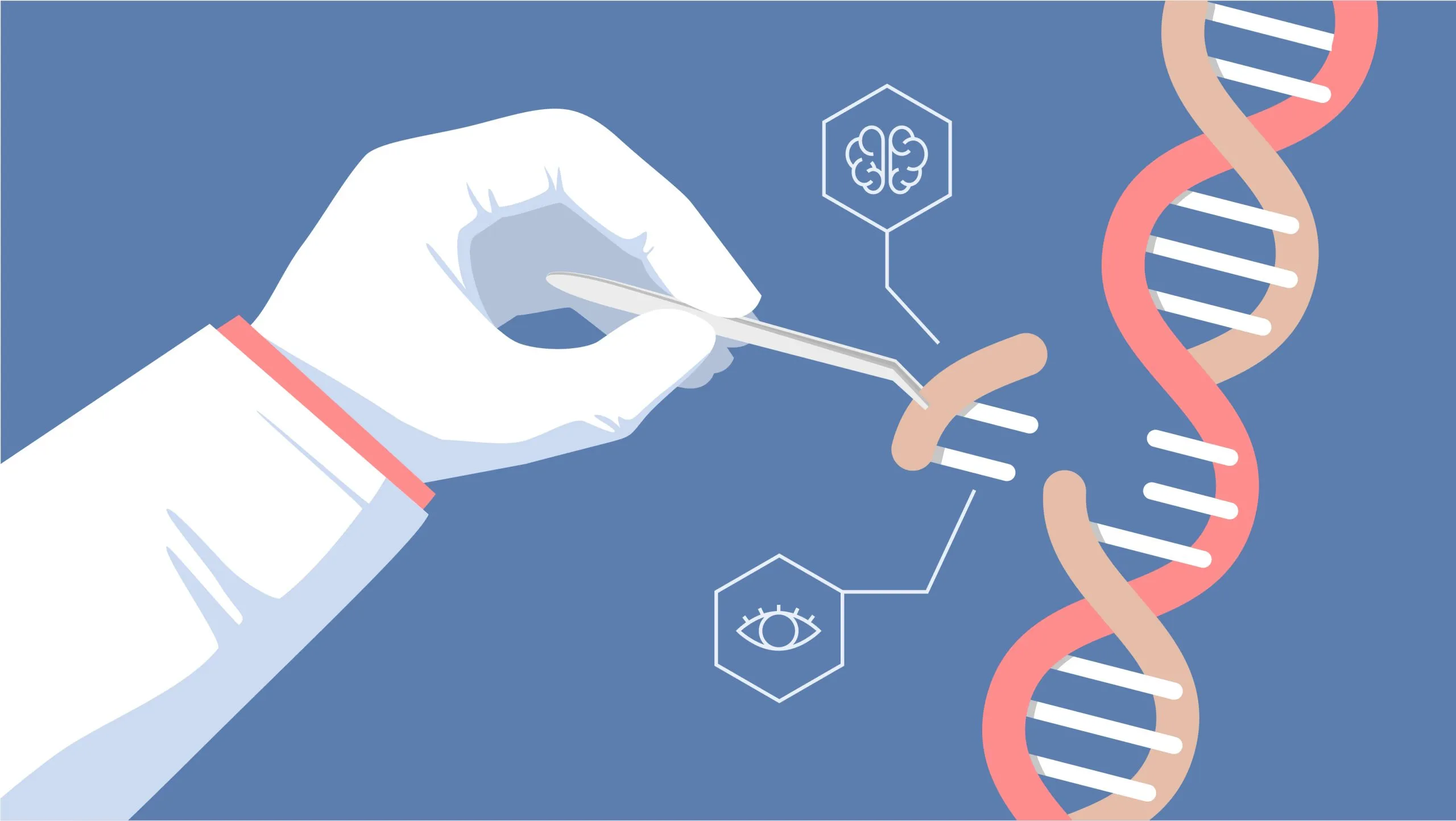
For the first time, scientists have carried out ultra-precise DNA modifications within human embryos using an advanced genetic technique called base editing. This method alters a specific nucleotide base in the genetic sequence without cleaving the DNA double helix.
Spelling Errors in the Genome
If human DNA is envisioned as a vast instructional book, many hereditary disorders stem from a single misspelled letter in millions of words. Severe conditions such as sickle cell anemia and beta-thalassemia arise from microscopic point mutations.
Base editing locates that erroneous chemical letter and corrects it—much like finding and fixing a single typo across thousands of printed pages.
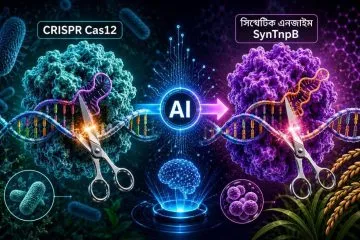
Conventional CRISPR-Cas9 acts like molecular scissors, cutting double-stranded DNA to introduce changes, which can cause erratic repair indels. Base editing, by contrast, operates like a pencil and eraser, substituting one chemical base for another without severing the strand, substantially curtailing unintentional genomic damage.
What the Experiment Achieved
Led by US researcher Dieter Egli and colleagues, the study applied base editing to laboratory-fertilized human embryos, targeting genes including PCSK9, HBG1, and HBG2.
The modifications introduced in HBG1 and HBG2 mimic a benign natural genetic variant known to alleviate symptoms of sickle cell anemia and thalassemia.
Crucially, these embryos were cultured solely for fundamental research. None were implanted in a womb, and there was never any intention of bringing them to term.
A Technical Milestone?
Previous attempts at editing human embryos relied on double-strand breaks, risking unintended insertions and deletions. This study proved that precise single-base corrections are feasible without cutting the backbone. Many geneticists consider this a major technical stride forward for human germline research.
The Barrier of Mosaicism
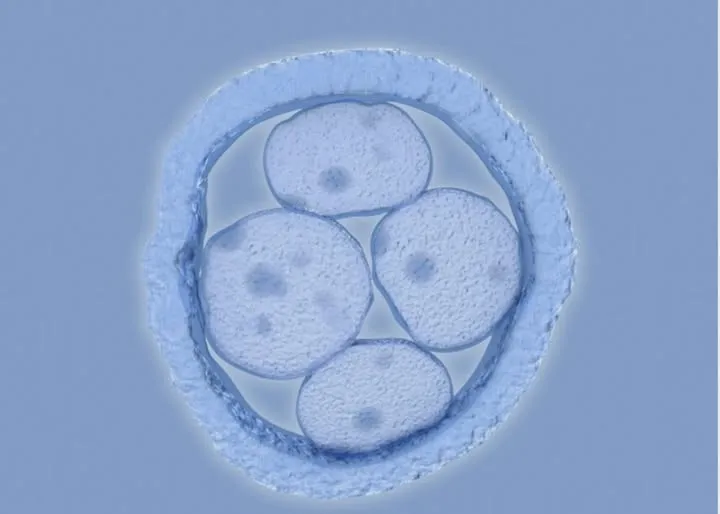
Yet serious technical obstacles remain. The edits did not take place uniformly across all cells of the developing embryo. While some blastomeres carried the desired correction, others remained unedited—a phenomenon known as mosaicism.
Mosaicism represents a formidable safety barrier. If an embryo with mosaic editing were to develop into an infant, tissues would contain an unpredictable mixture of corrected and mutated cells, potentially leaving the underlying pathology unresolved.
Renewed Ethical Debates
This technical leap rekindles fierce bioethical controversy. Editing germline DNA alters not only an individual, but also their descendants, transmitting synthetic modifications across future generations.
Bioethicists warn that technologies conceived to cure genetic disorders could eventually slip into elective enhancement and “designer babies”—engineering traits such as heightened cognition, stature, or physical attributes.
Echoes of a Controversial Past
Controversy over germline editing is not hypothetical. In 2018, Chinese researcher He Jiankui shocked the scientific world by announcing he had used CRISPR to edit embryos that developed into twin girls, targeting the CCR5 gene for HIV resistance. The experiment flouted international consensus and safety protocols, drawing global condemnation and resulting in a prison sentence from Chinese authorities.
Since that incident, the scientific community has approached human germline editing with heightened vigilance. Current research aims strictly at evaluating safety and disease prevention in controlled laboratory settings. Where He Jiankui stood as an alarming cautionary tale, current researchers strive for rigorous, transparent oversight.
A Long Road Ahead
While researchers welcome these results, enthusiasm is tempered by prudence. Questions surrounding off-target edits, efficiency, and long-term biological effects remain unanswered in these early laboratory trials.
Moreover, the research findings were initially shared as preprints, awaiting comprehensive peer review by independent scientists.
Rewriting the Blueprint of Life
One reality is undeniable: science has crossed a threshold where we no longer merely treat diseases, but can precisely edit the fundamental molecular blueprint of living organisms.
The decisive question is whether humanity possesses the ethical wisdom to wield this immense power responsibly.
History reminds us that technology is neither inherently benevolent nor malevolent. Its moral character is defined entirely by the purposes and boundaries humans choose to impose.
Image: A four-cell human embryo. Photo credit: Juan Gaertner / Science Photo Library.