Genome Editing: How CRISPR-Cas9 Is Transforming Science
The Dawn of Targeted Genetic Engineering
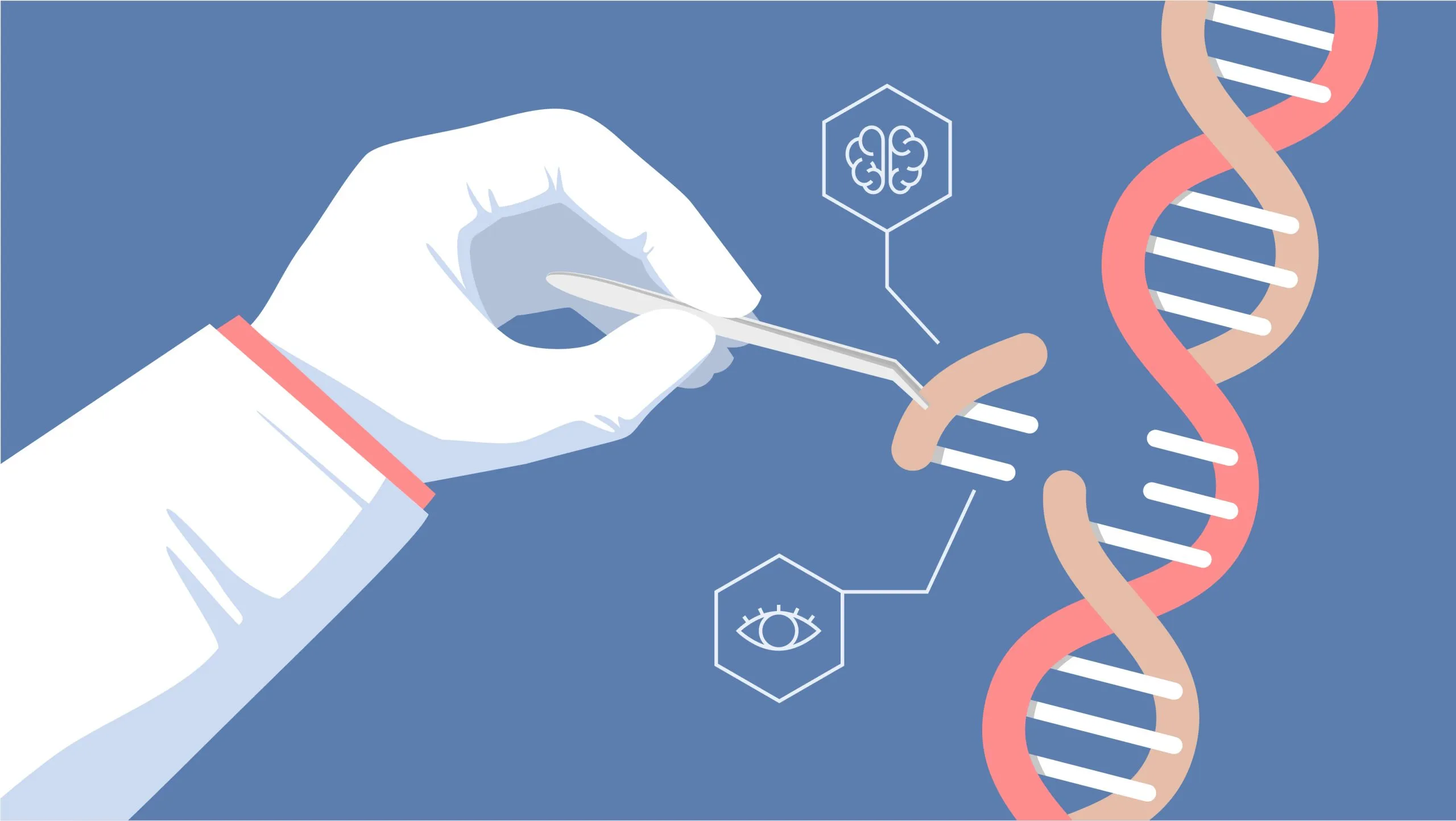
Throughout the history of medicine and agriculture, manipulating the genetic code was an imprecise, trial-and-error endeavor. Classical selective breeding and early recombinant DNA tools lacked fine molecular precision. That paradigm changed dramatically with the development of modern genome editing, a revolutionary biotechnology that allows scientists to alter, delete, or insert precise nucleotide sequences inside living cells with word-processor accuracy.
Deciphering the CRISPR-Cas9 Molecular Scissors
While earlier gene-editing platforms like Zinc Finger Nucleases (ZFNs) and TALENs proved cumbersome to engineer, the discovery of the CRISPR-Cas9 system democratized molecular biology. Originally evolved as an adaptive immune mechanism in bacteria to shred invading viral phages, researchers adapted the system into a versatile genetic editing toolkit—an achievement that earned biochemists Emmanuelle Charpentier and Jennifer Doudna the 2020 Nobel Prize in Chemistry.
The CRISPR-Cas9 mechanism operates through two core components:
- Guide RNA (gRNA): A short, engineered RNA sequence (roughly 20 bases long) designed to match and bind specifically to the target genomic sequence.
- Cas9 Endonuclease: A molecular enzyme that acts like scissors, cutting through both strands of the target DNA double helix at the precise location flagged by the guide RNA.
Once the double-strand break is generated, the cell’s natural DNA repair machinery initiates either non-homologous end joining (to knock out a defective gene) or homology-directed repair (to paste in a correct genetic sequence).
Transforming Medicine and Agriculture
The applications of CRISPR gene editing span diverse scientific frontiers:
- Curing Monogenic Diseases: Clinical gene therapy trials have produced remarkable curative results for hereditary blood disorders like sickle cell disease and beta-thalassemia by editing bone marrow stem cells.
- Crop Resilience and Food Security: Plant biotechnologists use CRISPR to engineer crops resistant to fungal blights, viral diseases, and drought stress, while optimizing rice yields and nutritional content without introducing foreign transgenic DNA.
- Next-Generation Diagnostics: Related CRISPR enzymes like Cas12 and Cas13 have been adapted into ultra-fast, highly specific molecular diagnostics capable of detecting viral pathogens like SARS-CoV-2 at a fraction of the cost of traditional RT-PCR.
Ethical Frontiers and Global Governance
The profound power to edit human DNA has sparked serious ethical, legal, and biosafety concerns worldwide. In 2018, the unauthorized creation of germline-edited twin infants in China provoked global condemnation from the international scientific community, leading to strict regulatory frameworks and criminal penalties for rogue researchers. While somatic cell therapies treat individual patients without passing modifications to future generations, germline editing alters the hereditary human gene pool, underscoring the vital necessity of transparent global oversight, ethical consensus, and rigorous safety standards.