DNA Data Storage: Nature's Ultimate Digital Archive
The Looming Data Crisis of the Information Age
Every single day, human civilization generates millions of terabytes of digital information, spanning scientific databases, medical imaging, financial transactions, and streaming media. Traditional electronic storage media—magnetic hard disk drives, magnetic tape, and solid-state flash memory—face severe physical limitations: they degrade within decades, consume vast amounts of electrical energy, and demand vast physical footprints. To solve this digital storage crunch, computer scientists and molecular biologists are turning to nature’s master architecture: DNA data storage.
The Molecular Blueprint of Life as a Digital Medium
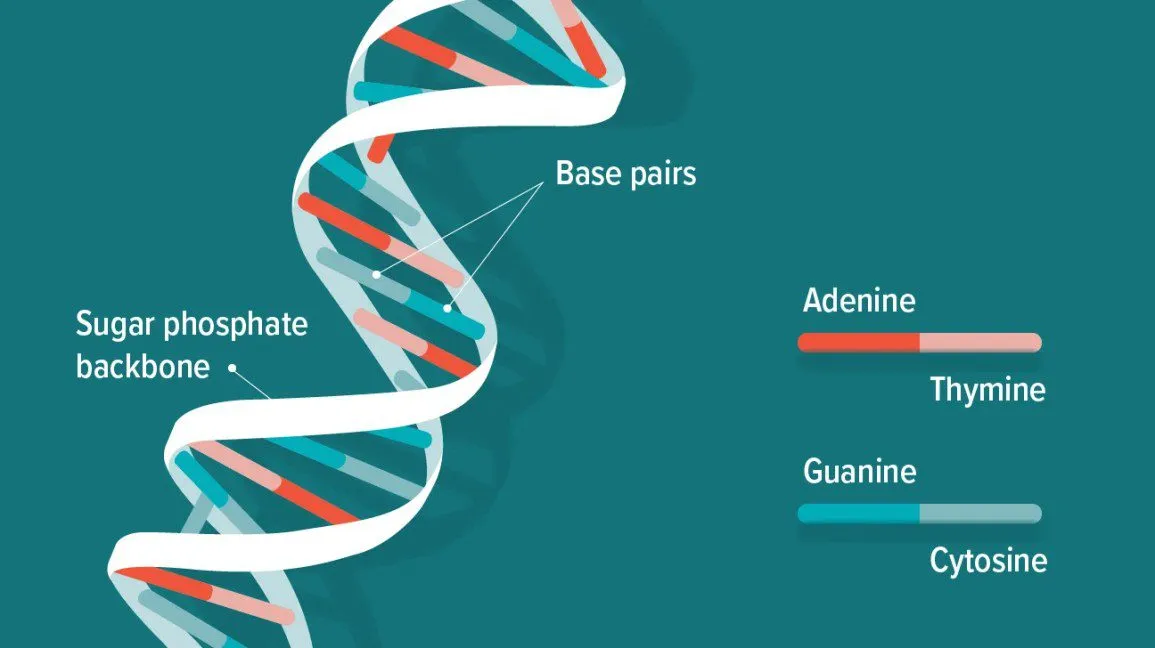
Deoxyribonucleic acid (DNA) is an information-bearing biopolymer structured as a double helix composed of four chemical bases: Adenine (A), Thymine (T), Guanine (G), and Cytosine (C). In living cells, the sequence of these bases encodes the genetic instructions for biological life. However, from a computer science perspective, DNA functions as a quaternary storage medium. Just as electronic computers represent data in binary digits (0s and 1s), digital bits can be mathematically mapped into nucleotide sequences:
- A = 00
- C = 01
- G = 10
- T = 11
By mapping binary bits into nucleotide sequences, arbitrary digital files—such as documents, video archives, and operating systems—can be converted into chemical oligonucleotides and synthesized into artificial DNA.
Unmatched Storage Density and Immense Durability
DNA offers astronomical advantages over conventional magnetic and optical media:
- Ultra-High Density: A single gram of DNA can theoretically store approximately 215 petabytes (215 million gigabytes) of data. Under this density, the collective digital data of the entire internet could fit into a container no larger than a shoe box.
- Centuries of Longevity: While magnetic tape degrades in 10 to 30 years, DNA preserved in cold, dry conditions remains intact for millennia—as demonstrated by paleogenomic researchers extracting intact genome sequences from ancient fossils hundreds of thousands of years old.
- Universal Readability: As long as DNA-based life exists, humans will possess the technological motivation to read and sequence DNA, eliminating the format obsolescence that renders magnetic media unreadable over time.
Milestones in Molecular Data Preservation
In 2012, researchers at the European Bioinformatics Institute encoded 739 kilobytes of data into synthetic DNA, including Shakespearean sonnets and Martin Luther King Jr.’s “I Have a Dream” audio recording. In 2016, Microsoft Research and the University of Washington set a new record by encoding 200 megabytes into DNA strands, encompassing the Universal Declaration of Human Rights and high-definition video files. Subsequent innovations in microfluidic synthesis chips have multiplied write throughput and storage density by orders of magnitude.
Current Bottlenecks and Future Horizons
Despite its promise, widespread commercial adoption of DNA data storage faces two primary technical hurdles: high chemical synthesis costs and slow retrieval latency. Reading data requires high-throughput sequencing, which takes hours rather than milliseconds. Consequently, DNA is currently targeted as an ultra-durable “cold storage” archive for irreplaceable historical records, scientific repositories, and global heritage data. As enzymatic synthesis methods and nanopore sequencing technologies advance, molecular data storage is poised to become the ultimate archival backbone of civilization.