The Child of Krakatoa Stirs Again

Krakatoa’s Deadly Past and the Reawakening
One hundred and forty-three years ago, a volcanic cataclysm shook our planet so violently that its roar echoed thousands of kilometres across oceans. The massive blast and the monster tsunamis that followed claimed more than 36,000 lives, while airborne volcanic dust altered the hues of skies and sunsets around the world.
That legendary volcano was Krakatoa. Now, in a fresh Anak Krakatoa volcano eruption, its restless volcanic child is stirring again.
Fresh Eruptions and Grounded Flights
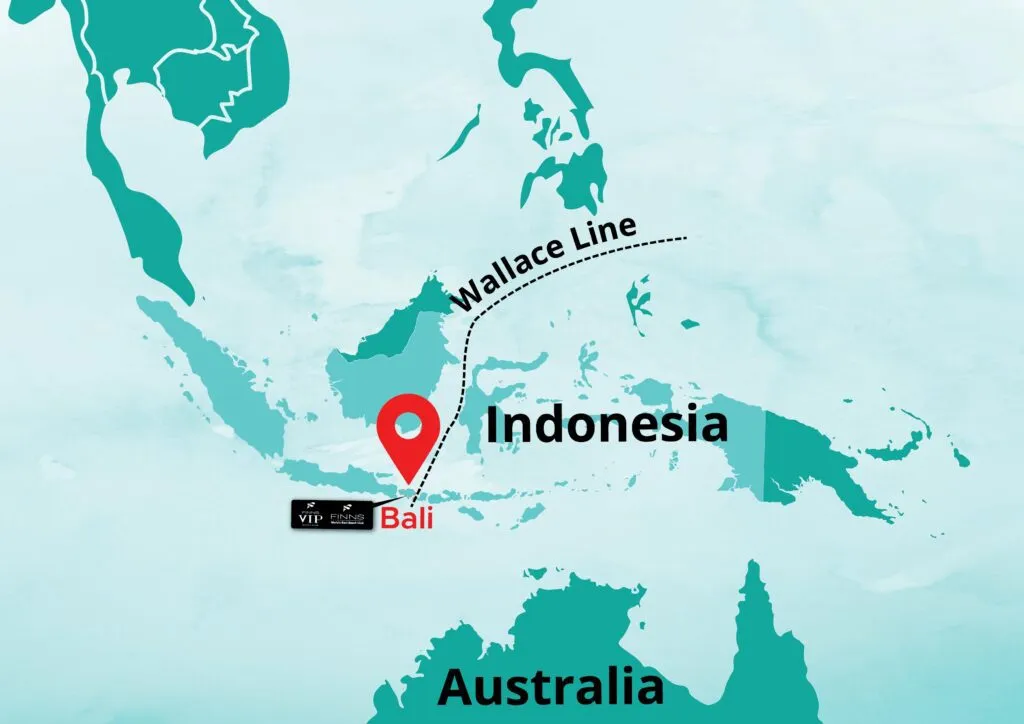
Standing in the Sunda Strait between Java and Sumatra, the volcanic island has entered a dramatic new eruptive phase. An intense burst that began on 4 September lasted for nearly 25 continuous hours. Glowing red lava, billowing ash, and incandescent rock fragments lit up the night sky, while plumes of volcanic ash ascended 50,000 feet into the atmosphere, forcing aviation authorities to ground flights across multiple Indonesian regions.
Born from the Deep and the Threat of Tsunamis
The origin of Anak Krakatau is as fascinating as it is perilous. During the catastrophic 1883 detonation, the bulk of the original island collapsed beneath the sea. Yet volcanic forces never ceased on the seabed. Decades later, a brand-new volcanic cone broke through the waves at that very spot: Anak Krakatau, meaning “Child of Krakatoa” in Indonesian.
This volcanic child inherited its parent’s dangerous temper. In 2018, a flank collapse triggered a deadly tsunami that killed hundreds of people along nearby coastlines. Could another tsunami strike? Current observations reveal no immediate signs of a collapse, but volcanologists are monitoring the restless caldera around the clock.
The Ring of Fire and Earth’s Geologic Pulse
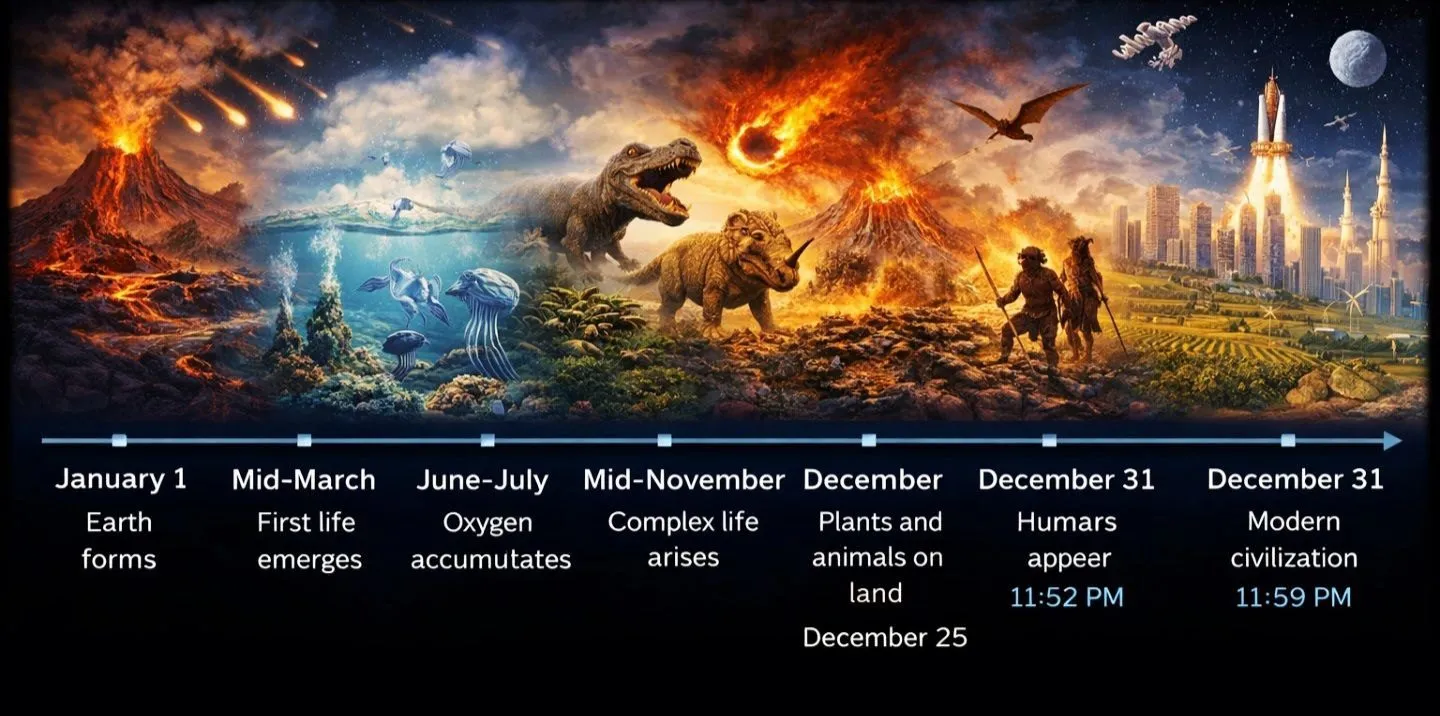
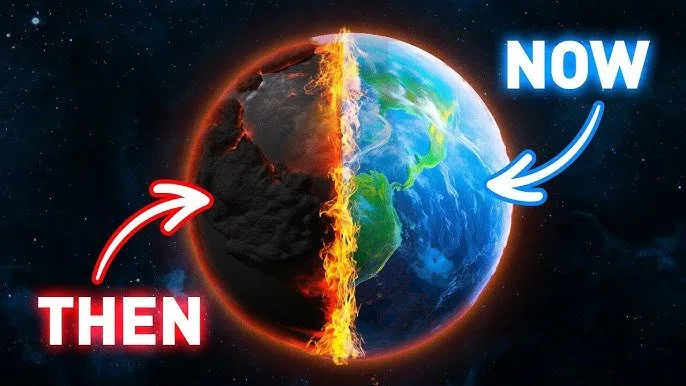
Indonesia’s abundance of volcanoes stems directly from its geography along the notorious Ring of Fire. Here, the relentless collision and subduction of tectonic plates generate abundant magma deep within the crust. While eruptions like this look terrifying to human eyes, they are part of a four-and-a-half-billion-year-old planetary pulse, a stark reminder that the ground beneath our feet is far from quiet.