Why Birds Have Different Colors: The Science of Plumage
The Radiant Spectrum of Avian Life
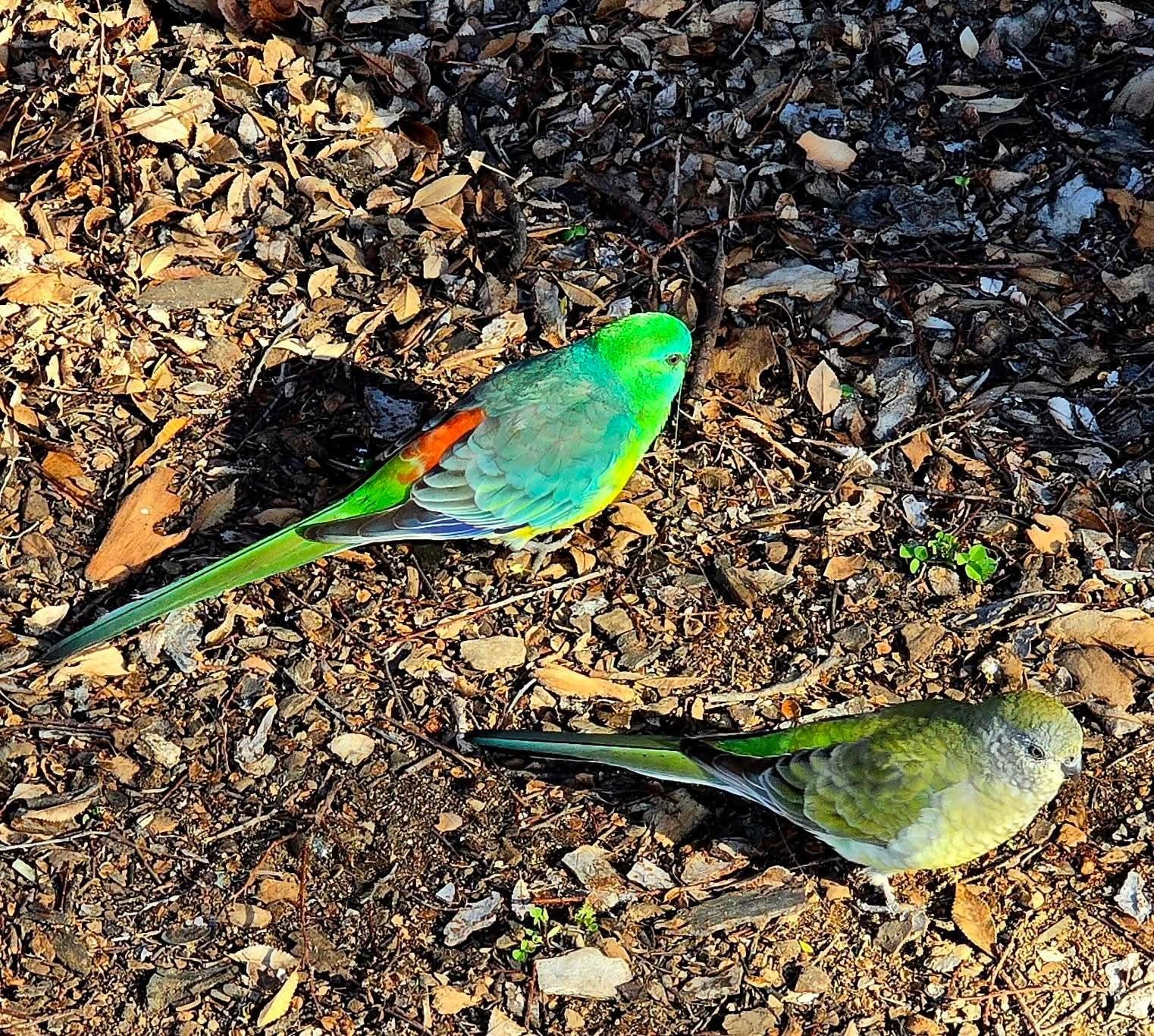
Walking alongside a quiet lakeshore, two small parakeets perched among the branches catch the eye. One flaunts a festival of colors—iridescent emerald greens, vibrant scarlets, and shimmering blues glistening in the morning sunlight. The other appears markedly subdued, its plumage blending seamlessly into the foliage of surrounding leaves.
Sexual Dimorphism in the Avian World
At first glance, birdwatchers recognize the familiar dichotomy: the brilliantly adorned bird is almost certainly a male, while the understated companion is female. This striking contrast raises a fundamental biological question: why do male birds frequently display dazzling finery while females remain muted in earthy tones?
The Evolutionary Meaning of Male Plumage
The answer is not mere ornamental chance; it is a vital evolutionary strategy driven by sexual selection. The male’s radiant colors, elaborate plumes, and melodious songs serve as honest biological signals. Through these vivid displays, the male conveys vitality, robust immune health, and high genetic quality to prospective mates, demonstrating fitness to sire healthy and resilient offspring.
The Camouflage Strategy of Female Survival
In contrast, the subdued, mottled plumage of female birds is an evolutionary masterpiece of crypsis and survival. In many bird species, females bear the primary responsibility of incubating eggs and brooding nestlings. Sitting motionless for weeks in nests exposed to predatory raptors and snakes, bright feathers would be a fatal beacon. Blending invisibly into tree bark, dry grass, or dense canopy foliage shields both mother and offspring from hungry predators.
A Symphony of Natural and Sexual Selection
Within this delicate plumage contrast lies nature’s elegant equilibrium. One sex steps boldly into the sunlight to attract a mate, while the other conceals itself within protective shadows to nurture the next generation. Together, sexual attraction and survival camouflage weave the enduring tapestry of avian life.