The Science of Love: Brain Chemistry and Attachment Explained
Emotion or Biochemical Symphony?
Love is celebrated across literature as an ethereal mystery of the human heart. Yet neuroscience and evolutionary biology view romance through a fascinating physiological lens: love operates as an intricate neurochemical cascade orchestrated by the human brain to foster pair-bonding and promote species survival.
The Three Neurochemical Stages of Love
A pioneering framework established by biological anthropologists divides romantic love into three distinct yet overlapping neurochemical phases: attraction, attachment, and commitment.
Stage 1: Infatuation and Dopaminergic Ecstasy
The heady rush of falling in love is powered by the brain’s reward circuitry. When we encounter someone who ignites attraction, the ventral tegmental area floods the brain with dopamine, producing intense euphoria, focused attention, and energy. Concurrently, elevated norepinephrine accelerates heartbeat, causes sweaty palms, and induces exhilaration, while a temporary plunge in serotonin fuels obsessive thoughts about the partner—mirroring neurological patterns observed in obsessive-compulsive states.
Stage 2: Deep Attachment and Hormonal Bonding
As the frantic intensity of infatuation settles over several months, emotional stability takes over. This phase is governed by oxytocin and vasopressin. Released by the hypothalamus during physical intimacy, hugging, and gaze-holding, oxytocin—the “cuddle hormone”—cultivates deep trust, contentment, and psychological safety. Vasopressin reinforces monogamous bonding, territorial protection, and long-term loyalty.
Stage 3: Enduring Commitment
Over years of partnership, initial passion evolves into profound companionate bonding. Oxytocin and vasopressin maintain stable neural circuits that mitigate stress, lower cortisol levels, and boost immune resilience. Studies consistently confirm that enduring romantic companionship significantly extends human life expectancy and emotional well-being.
Heart versus Brain: The Somatic Connection
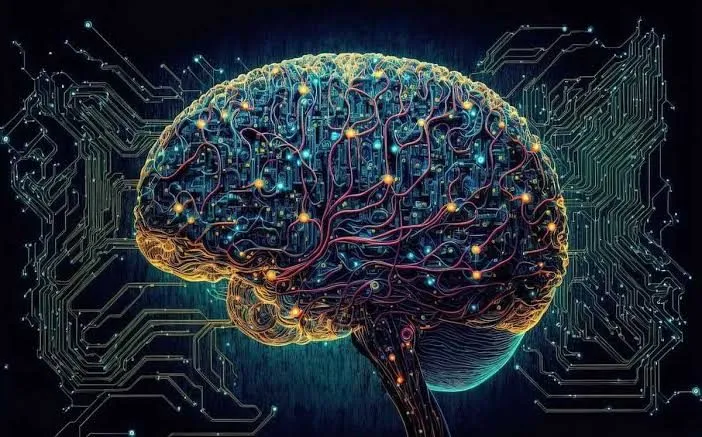
While poetry places romance in the heart, the brain is the true command center. However, the visceral sensation of love vibrating in one’s chest is physiologically genuine: the brain’s emotional centers stimulate the autonomic nervous system via the vagus nerve, speeding cardiac rhythm and creating the familiar flutter of romantic longing.
The Evolutionary Architecture of Romance
From an evolutionary perspective, romantic attachment is nature’s ultimate mechanism to unite two individuals long enough to rear altricial, vulnerable human offspring. Decoding the science of love does not diminish its poetic majesty; rather, understanding the neurochemical symphony underlying human devotion deepens our appreciation for this universal human bond.