Blueprint of Feeling: The Quantum Brain and Human Consciousness
The Consciousness Enigma and Quantum Physics
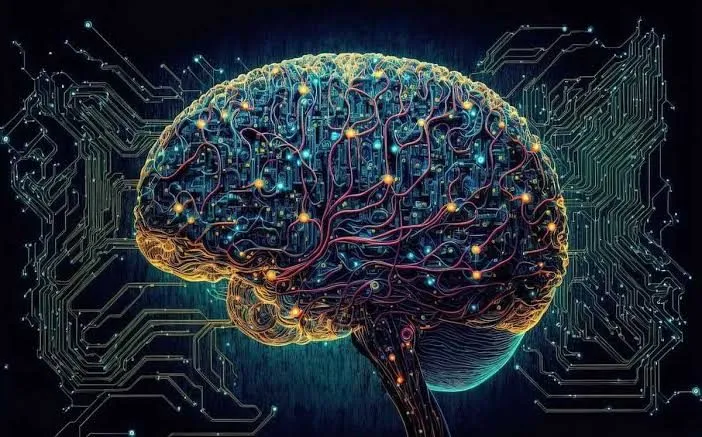
For centuries, the emergence of conscious experience and subjective awareness has stood as the deepest mystery in neurobiology. Seeking to bridge the gap between electrochemical signaling and subjective feeling, several theoretical physicists have proposed that consciousness might originate from quantum mechanical phenomena within the neural architecture—a framework often termed the quantum brain hypothesis.
A pioneering milestone in this inquiry occurred in 1989 with the publication of The Emperor’s New Mind by renowned mathematical physicist and Nobel laureate Sir Roger Penrose. Collaborating with anesthesiologist Stuart Hameroff, Penrose formulated the Orchestrated Objective Reduction (Orch-OR) model. They hypothesized that quantum superposition takes place within cylindrical protein polymers known as microtubules inside neurons.
Historically, mainstream neuroscientists were skeptical of this concept. Quantum superpositions are notoriously fragile, requiring cryogenic temperatures and isolated environments. The warm, wet, and noisy cellular matrix of the biological brain was widely assumed to trigger rapid environmental decoherence before any quantum computational state could manifest.
Trinity College Dublin: Probing Proton Spin Entanglement
In October 2022, a research team from the Trinity College Institute of Neuroscience in Dublin published groundbreaking experimental findings in the Journal of Physics Communications, providing tantalizing empirical evidence for non-classical dynamics in living human neural tissue.
The investigators adapted Nuclear Magnetic Resonance (NMR) and functional Magnetic Resonance Imaging (fMRI) techniques to measure the quantum spin states of hydrogen protons in cerebral water molecules. In quantum mechanics, quantum entanglement describes a phenomenon wherein two particles become intimately interconnected such that the measurement of one immediately dictates the physical state of the other, regardless of spatial separation.
Heartbeat Synchrony and Quantum Coherence
The researchers set out to detect whether proton spins in cerebral fluids exhibited signs of zero-quantum coherence—a signature of quantum entanglement. Astonishingly, they observed distinct NMR signals that directly correlated with electrophysiological cardiac rhythms (heartbeat-evoked potentials) and conscious cognitive processing.
Because classical thermodynamic models of NMR cannot easily account for these specific signal signatures without incorporating entangled spin dynamics, the researchers concluded that cognitive processing may rely on underlying quantum computational mechanisms. If proton spins in the fluid compartments of the brain mediate entanglement between distant neural clusters, the quantum brain paradigm shifts from abstract conjecture to an experimentally testable discipline.
Implications for Quantum Computing and Artificial General Intelligence
While definitive proof that conscious thought directly arises from macroscopic quantum coherence remains an active subject of debate, these experimental discoveries open profound horizons. If biological neural circuits harness room-temperature quantum effects, understanding their mechanisms could transform synthetic engineering:
- Decoherence-Resistant Qubits: Deciphering how living cells protect fragile quantum states in warm aqueous media could lead to room-temperature quantum computing architectures.
- Bio-Inspired Artificial Intelligence: Replicating non-classical computational dynamics could yield cognitive algorithms capable of creative generalization far exceeding classical digital neural networks.
Conclusion
Whether conscious subjective feeling is purely classical or orchestrated by quantum entanglement, exploring the quantum brain challenges the boundaries of neuroscience and physics. As experimental methods refine our view of the neural microcosm, science draws closer to mapping the blueprint of the human mind.