North Sentinel Island: The Forbidden Land and the Sentinelese
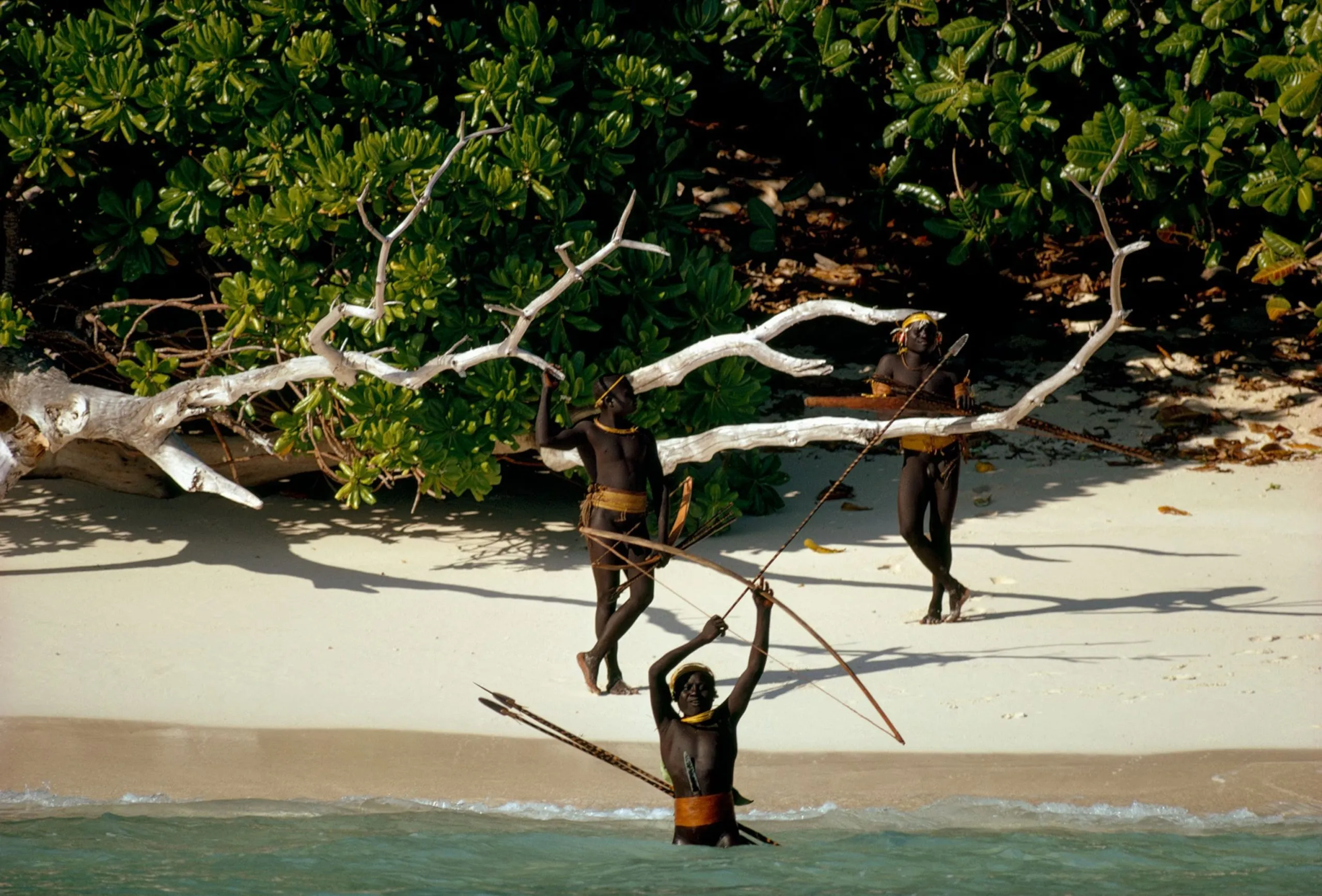
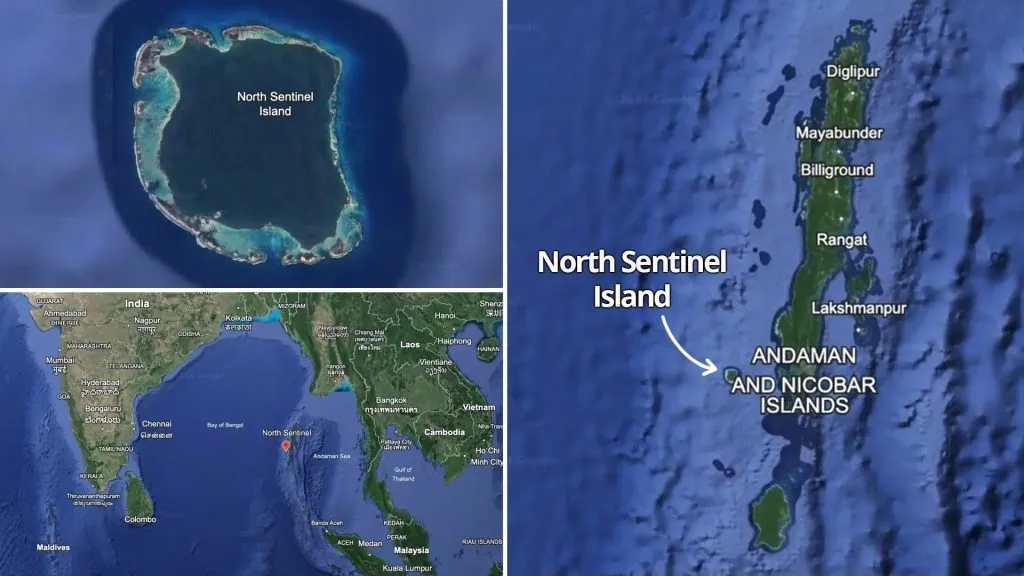
Rising out of the azure waters of the Bay of Bengal lies a dense, emerald sanctuary spanning barely fifty-six square kilometers. Encircled by treacherous coral reefs and shrouded in impenetrable tropical rainforest, this isolated territory is known as North Sentinel Island. Located approximately twenty nautical miles west of Port Blair in the Andaman archipelago, it harbors one of the most enigmatic societies on Earth.
On paper, North Sentinel Island falls under the sovereignty of the Union of India. In reality, the Indian state maintains zero administrative presence on the island. Recognizing the vulnerability and sovereign autonomy of the inhabitants, the Indian government has strictly prohibited travel within a five-nautical-mile maritime exclusion zone. The Indian Coast Guard and Navy regularly patrol these coastal waters to enforce the cordon sanitaire and protect the islanders from external intrusion.
The Sentinelese: Masters of an Unbroken Paleolithic Era
The strict isolation zone exists to safeguard the island’s indigenous residents: the Sentinelese people. While globalization and modern technology have transformed every continent, the Sentinelese remain completely untouched by outside civilization, preserving a lifestyle that has continued uninterrupted for thousands of years.
Anthropologists estimate that the Sentinelese have inhabited North Sentinel Island for roughly $10,000$ to $50,000$ years, descending from the earliest human migrations out of Africa into Southeast Asia. They sustain themselves through traditional hunting, coastal spear-fishing, and foraging for native roots and wild fruits. Their spoken tongue remains entirely unclassified, bearing no known connection even to neighboring Onge or Jarawa languages.
Demographics and Fierce Autonomy
Because direct ethnographic field surveys are impossible, estimates place the resident population between $50$ and $200$ individuals. Observational data reveals a healthy, active hunter-gatherer society living in harmonious equilibrium with their environment.
Whenever foreign vessels or low-flying surveillance aircraft approach the coastline, Sentinelese warriors emerge on the white coral beaches armed with longbows, launching warning volleys of arrows. Their message across the centuries has been unmistakable: complete rejection of foreign intervention and an absolute demand to be left alone in peace.
Historical Clashes and Modern Tragedies
A few brief, peaceful friendly-contact expeditions occurred in the early 1990s led by Indian anthropologist T. N. Pandit, during which coconuts were accepted. However, subsequent attempts to penetrate the territory have met with tragic results.
In November 2018, a twenty-six-year-old American missionary named John Allen Chau illegally crossed into the restricted maritime boundary with the intent of preaching Christianity. Having bribed local fishermen to transport him under cover of darkness, Chau paddled ashore in a kayak. Upon setting foot on North Sentinel Island, he was immediately killed by Sentinelese archers. In accordance with Indian federal protective statutes and colonial-era tribal exemptions, no criminal prosecution was pursued against the islanders, and recovery operations were prudently abandoned to prevent further conflict.
Origins of Hostility: Colonial Intrusion and Immunological Peril
Why do the Sentinelese fiercely resist the outside world? Historical records provide a harrowing explanation. During the British colonial annexation of the Andaman Islands in the late 19th century, neighboring indigenous tribes were decimated by common mainland pathogens—including influenza, measles, and syphilis—against which they had zero immunological defenses.
In 1880, British colonial officer Maurice Vidal Portman led an armed expedition to North Sentinel Island, abducting an elderly couple and four young children to Port Blair. The elderly pair rapidly fell ill and perished in captivity. The four sick children were subsequently sent back to the island bearing gifts. Anthropologists believe this traumatic historical memory solidified an enduring communal doctrine: any contact with the outside world brings pestilence, kidnapping, and death.
Tsunami Survival and Enduring Resilience
The remarkable survival capabilities of the Sentinelese were underscored during the cataclysmic Indian Ocean tsunami of December 2004. While the seismic rupture devastated vast coastal settlements across Sumatra, India, and Sri Lanka, reconnaissance helicopters surveying North Sentinel Island were met by armed warriors ready with bows and arrows. The islanders had read the ocean swells and retreating tides, retreating safely into elevated forest ridges.
Periodic non-invasive aerial surveys continue to confirm that the Sentinelese thrive within their ecological enclave. Unburdened by modern geopolitical conflicts and technological dependencies, the guardians of North Sentinel Island remain a timeless testament to human resilience and autonomous heritage.