Return of the Dire Wolf: Ice Age De-Extinction Feat
The Dire Wolf: Apex Predator of the Ice Age
The dire wolf (Aenocyon dirus) stands as one of the most fearsome predators in prehistoric North America. While popularized by epic fantasy series like Game of Thrones, the dire wolf was very real—a robust, bone-crushing canid that roamed Pleistocene landscapes alongside woolly mammoths and sabertooth cats before disappearing roughly 13,000 years ago during the Quaternary extinction event.
Awakening Prehistory Through Genetic Engineering
In the twenty-first century, biotechnology is testing whether extinct species can be brought back to life. What once existed only in Hollywood films is now taking physical shape in biotechnology laboratories.
Colossal Biosciences and the Birth of Engineered Wolf Pups
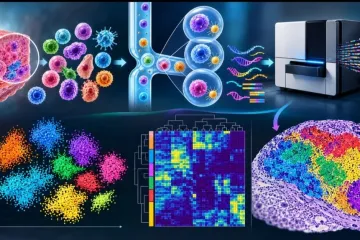
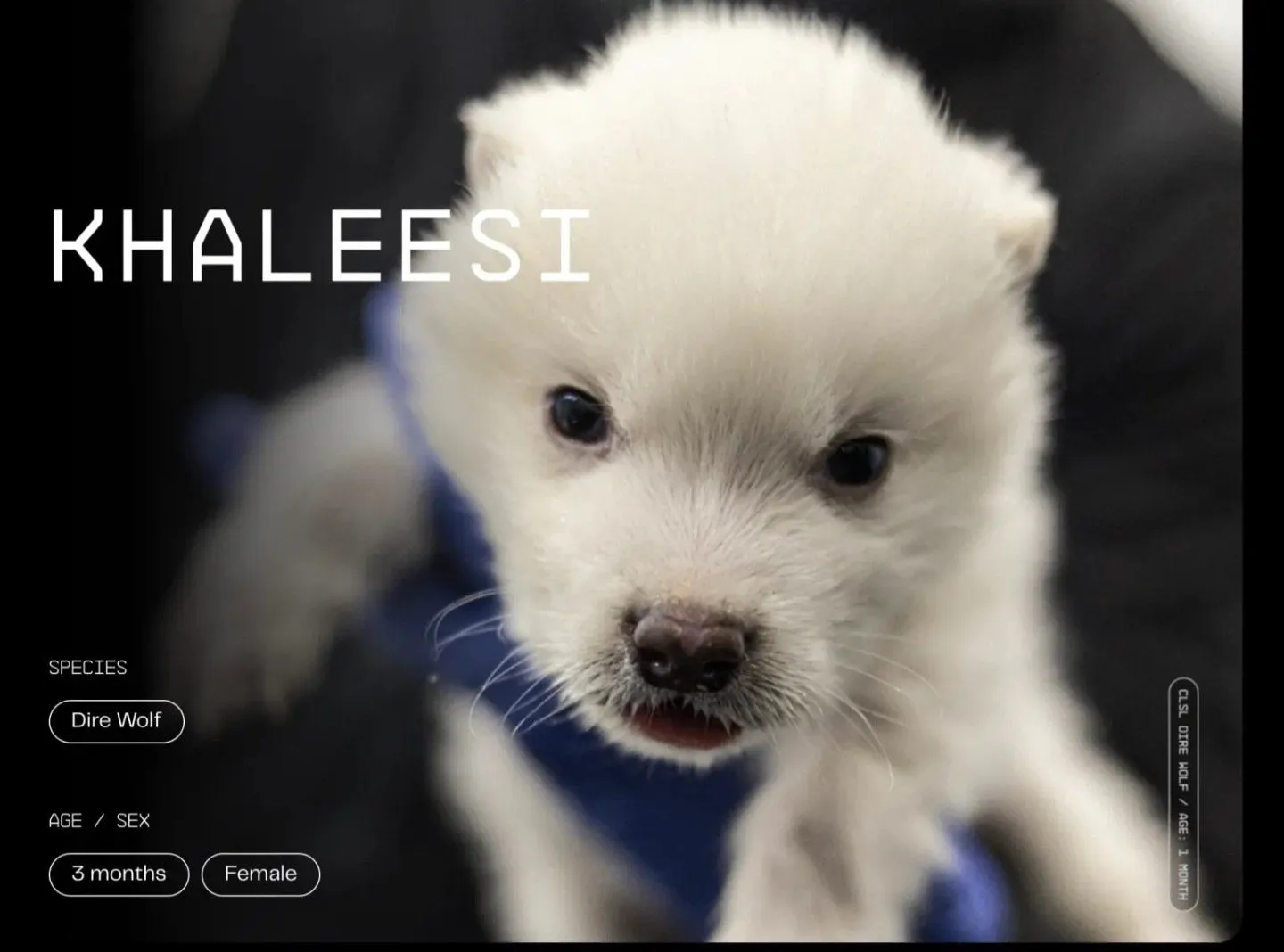
In April 2025, prominent scientific news outlets reported that US biotech company Colossal Biosciences successfully bred three dire wolf-like pups. Researchers extracted and sequenced ancient DNA from a 13,000-year-old dire wolf tooth and a 72,000-year-old skull recovered from permafrost. Using CRISPR-Cas9, geneticists edited twenty specific genetic loci in living gray wolf cells, engineering pups named Romulus, Remus, and Khaleesi.
The Architects Behind the Project
The initiative was co-founded by Harvard University geneticist George Church, who remarked on the transformative potential of combining multiplex gene editing with somatic cell nuclear transfer. Colossal CEO Ben Lamm described the healthy pups as tangible proof that de-extinction principles can be applied to ancient genomes.
Monitoring in a Protected Sanctuary
The three pups reside within a secure, state-of-the-art 2,000-acre ecological reserve in Texas. Monitored continuously via high-definition camera feeds and aerial drones, researchers assess their growth, physical conformation, and behavioral development.
De-Extinction versus Genomic Retrofitting
While celebrated in the media as dire wolf de-extinction, evolutionary biologists emphasize that this is genomic retrofitting rather than true de-extinction. Authentic de-extinction requires reconstructing a species’ complete, unadulterated genome. Modifying twenty functional genes in modern gray wolves introduces distinct dire wolf phenotypic traits—such as heavier jaw structure and thicker fur—without resurrecting the true extinct species.
Insights from Paleogeneticists
Paleogeneticists note that genomic divergence between dire wolves and gray wolves spans millions of years. With ancient DNA often highly fragmented and epigenetic factors unknown, creating an exact replica of an extinct species remains beyond current technological limits.
Ethical Questions and Conservation Philosophy
Beyond the technical achievement lies a profound philosophical question: should humanity resurrect extinct creatures? Critics express concern that de-extinction projects divert crucial attention and funding away from saving endangered species currently facing extinction. Others question whether introducing synthetic hybrid predators into modern ecosystems is ecologically sound.
The Future of Synthetic Biology
Nevertheless, the intersection of ancient genomics, CRISPR gene editing, and synthetic biology is yielding invaluable breakthroughs. The tools developed in these high-profile projects are already being applied to bolster genetic diversity in critically endangered species, helping preserve our planet’s existing biodiversity.