1973 Concorde Solar Eclipse Mission: 74-Minute Flight

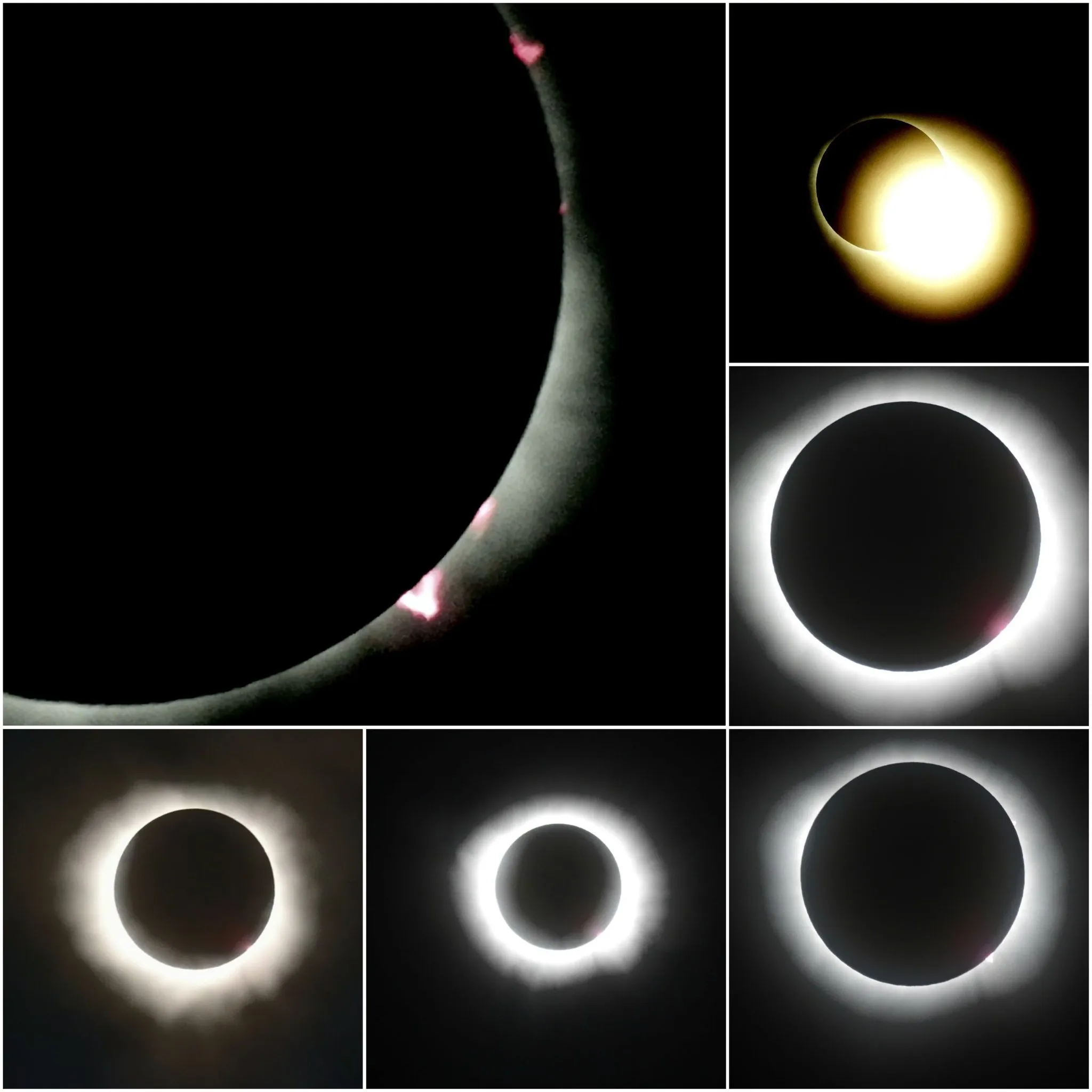
On the morning of June 30, 1973, a total solar eclipse swept across North and West Africa. Ground observers experienced barely seven minutes of daytime darkness. For solar astrophysicists studying the Sun’s outer atmosphere, seven minutes was far too brief to unmask the dynamics of the corona. This frustration inspired the daring Concorde solar eclipse mission.
An Airborne Observatory: Concorde 001
Astrophysicists asked a bold question: rather than waiting on the ground, could scientists chase the Moon’s shadow aboard the fastest passenger jet on Earth? French prototype Concorde 001—flying at Mach 2 at 56,000 feet—was transformed into a supersonic laboratory. Special rooftop quartz viewing ports, spectrographs, high-resolution cameras, and solar telescopes were installed directly into the aircraft.
Racing the Umbra: 74 Minutes of Totality
Cruising across Mauritania, Mali, and Niger at 1,400 mph (roughly 2,200 km/h), Concorde matched the overland velocity of the lunar shadow. While darkness passed over ground stations in minutes, Concorde stayed locked within the shadow cone.
The result was historic: scientists achieved an unprecedented 74 minutes of continuous solar totality—a world record for eclipse observation that remains unbroken to this day.
Breakthroughs in Solar Corona Physics
Flying above 80 percent of the atmosphere avoided clouds and turbulence, delivering pristine imagery of the solar corona:
- High-temperature coronal plasma loops and magnetic arch structures were mapped in detail.
- Oscillations in solar magnetic fields were recorded over extended timeframes.
- Data gathered provided crucial insights into the “coronal heating problem”—why the Sun’s corona reaches millions of degrees while the underlying surface rests at 5,500°C.
Conclusion
While Concorde no longer soars through the stratosphere, the Concorde solar eclipse mission of 1973 stands as an enduring monument to scientific audacity, demonstrating how far human curiosity will go to chase the mysteries of the Sun.