Super Rice: The Next Agricultural Revolution
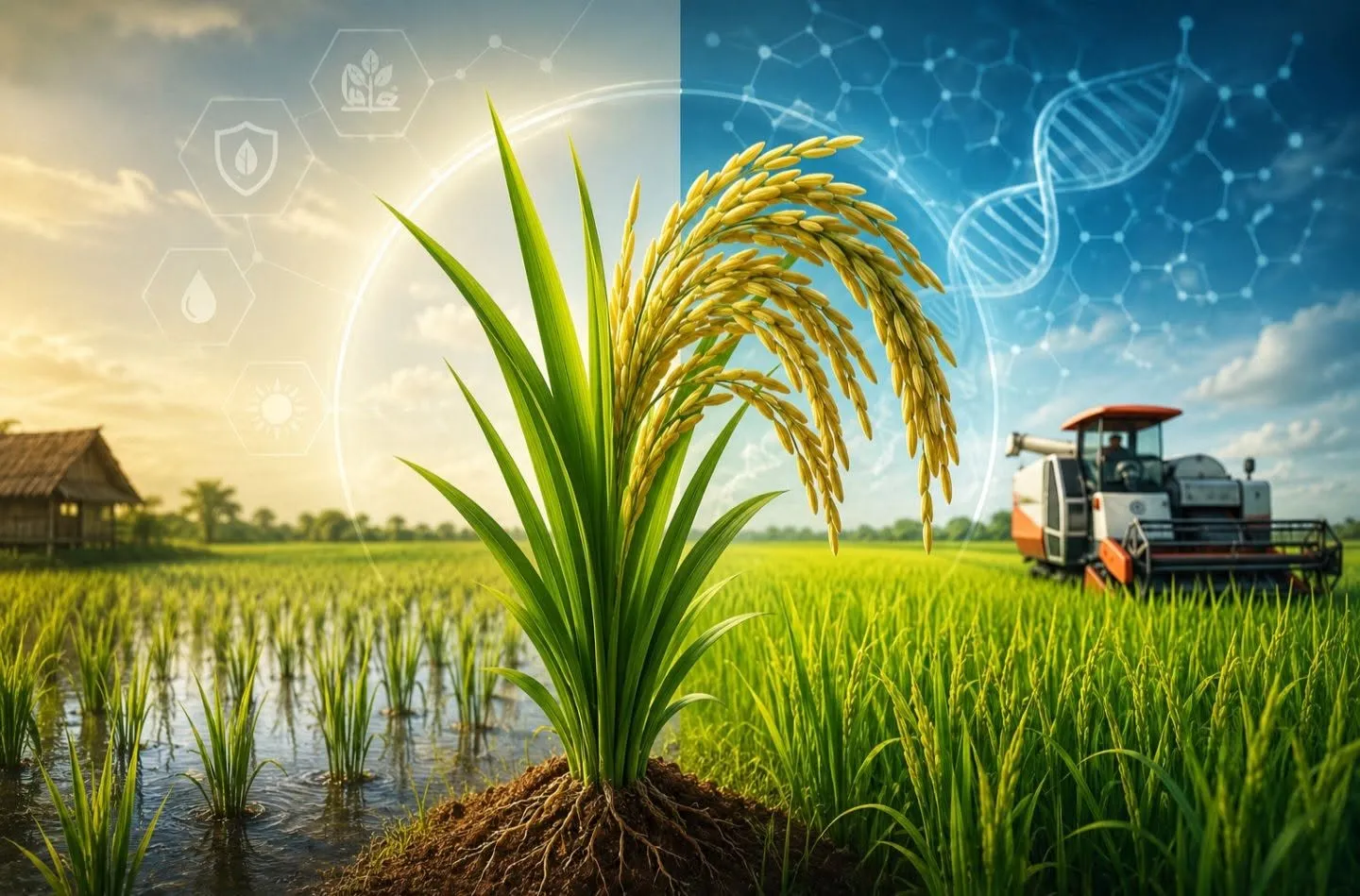
In the 1960s, the Green Revolution brought a transformative shift to global rice cultivation. High-yielding varieties, irrigation, and modern agronomic practices combined to safeguard food security for hundreds of millions of people. Today, agricultural scientists declare that another chapter is dawning: the era of “super rice.”
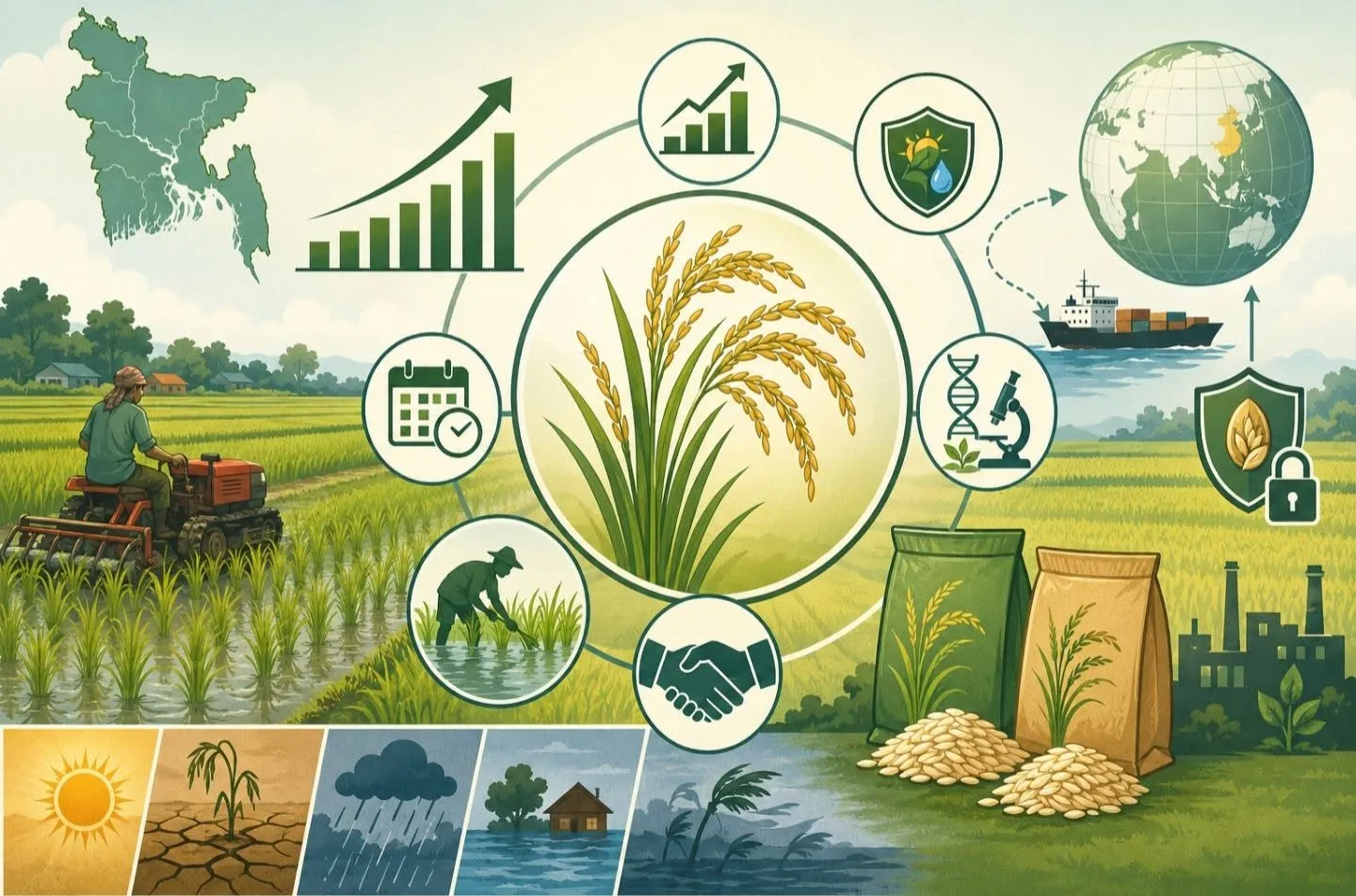
The term super rice sounds like something straight out of science fiction. In reality, it represents a foundational concept in modern crop science. Simply put, super rice refers to rice varieties that produce exceptionally high yields, boast robust disease resistance, thrive with less water and fertilizer, and withstand the stresses of climate change.
Crucially, super rice is not a single registered cultivar. It is an overarching breeding target: a vision of rice that yields far more grain per hectare while consuming fewer natural resources.
Origins and Goals of the Super Rice Concept
The concept originated primarily in research by the International Rice Research Institute (IRRI). In the 1990s, they introduced the “New Plant Type” ideology. Its principal objective was raising the harvest index (HI) of the rice plant, ensuring a larger proportion of photosynthetic biomass was channeled into grain rather than excess stems and foliage. Fewer unproductive tillers, larger panicles, minimal waste, and superior harvest—that was the core blueprint.
This raises an essential question: should super rice be inbred or hybrid?
The answer is that it can be either. Inbred rice produces genetically stable seeds that farmers can save from their harvest to replant next season. Hybrid rice, on the other hand, is bred by crossing two distinct parental lines, creating first-generation (F1) plants with extraordinary vigor, or “heterosis,” that boosts yields dramatically. However, saved hybrid seed loses its vigor in the following generation, requiring fresh purchases each planting cycle.
Hybrid Innovations and Record Yields
While IRRI’s initial super rice concepts relied largely on inbred lines, China took the technology a giant leap forward. Led by pioneering agronomists, they developed “super hybrid rice,” merging optimal plant architecture with heterosis.
This approach set global records. In Chinese trial plots, yields reached an astounding 15 to 18 tonnes per hectare. By comparison, average Boro season yields in Bangladesh typically range between 4.5 and 5.5 tonnes per hectare. In theory, super hybrid rice can produce nearly three times the harvest of conventional varieties.
Climate-Smart Rice: Mestiso 120
Maximizing yield is no longer the sole ambition. Modern super rice lines are incorporating drought tolerance, salinity resistance, submergence survival during floods, and lower methane emissions. Global agriculture confronts a twin mandate: feeding humanity while safeguarding the planet.
To that end, IRRI unveiled the new-generation hybrid line Mestiso 120 in 2026. Delivering close to 12 tonnes per hectare, its defining attribute is markedly reduced methane emissions, marking a milestone toward high-yielding, environmentally sustainable rice.
Super Rice in the Context of Bangladesh
For Bangladesh, this technology is vital. Arable acreage is dwindling, population is rising, and irrigation aquifers are stressed. Recent data from the Bangladesh Rice Research Institute (BRRI) show that promising new lines, such as BRRI hybrid dhan 8, can exceed 12 tonnes per hectare under optimal conditions. Bangladesh has firmly entered the super rice race.
Yet “super” does not signify magic. Superior genetics alone cannot ensure success. Without balanced fertilization, timely irrigation, pest management, and modern agronomic practices, even super rice cannot achieve its genetic potential.
In short, super rice represents a premier weapon for future food security. As humanity approaches a global population of ten billion, our agricultural dilemma is no longer just about farming more land. The decisive challenge is producing more food sustainably and cleanly on existing acreage. In that struggle, super rice could spark the next great revolution.