Self-Replicating Hybrid Rice: A Farming Breakthrough

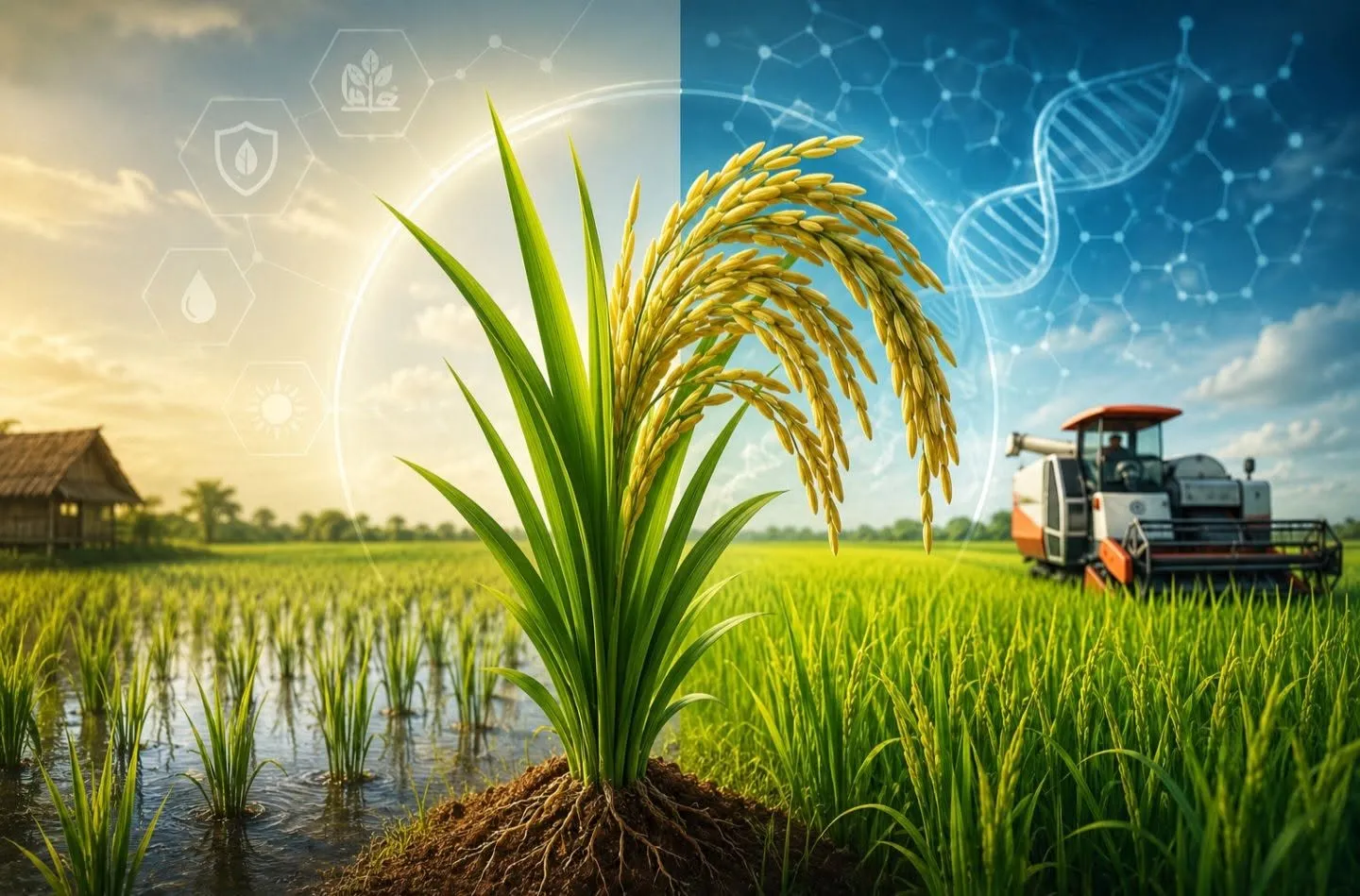
In agricultural biotechnology, an exceptional breakthrough promises to reshape global food production. Researchers in China have engineered hybrid rice lines that pass their elite agronomic characteristics to subsequent generations virtually intact. For farmers, this technological leap means the costly annual repurchase of hybrid seeds could soon become unnecessary, allowing growers to save high-yielding seed directly from their own harvests.
The Challenge of Hybrid Breakdown
The primary advantage of hybrid crops is heterosis, or hybrid vigor. Crossing two genetically diverse inbred parental lines produces first-generation (F1) offspring with superior yield, robust disease resistance, and greater environmental resilience.
However, this genetic synergy is transient. In the subsequent F2 generation, standard meiotic gene segregation scrambles the advantageous allele combinations, causing sharp yield drops and phenotypic variation. Consequently, farmers must purchase newly produced F1 hybrid seed each planting season.
The Engineering Breakthrough
To overcome this hurdle, researchers deployed precision genome editing. First, they altered genes governing female meiosis so that egg production mimics mitotic division, bypassing chromosomal crossover and preserving the exact maternal genome intact.
To ensure viable grain set, the scientists identified Huaxu, a critical transcription factor expressed within rice pollen sperm cells. By fine-tuning this regulatory pathway, fertilization triggers normal endosperm and seed development without compromising the clonal fidelity of the maternal embryo. This synthetic apomixis system achieved over 99% clonal seed efficiency while maintaining commercial grain yield capacity.
Global Implications
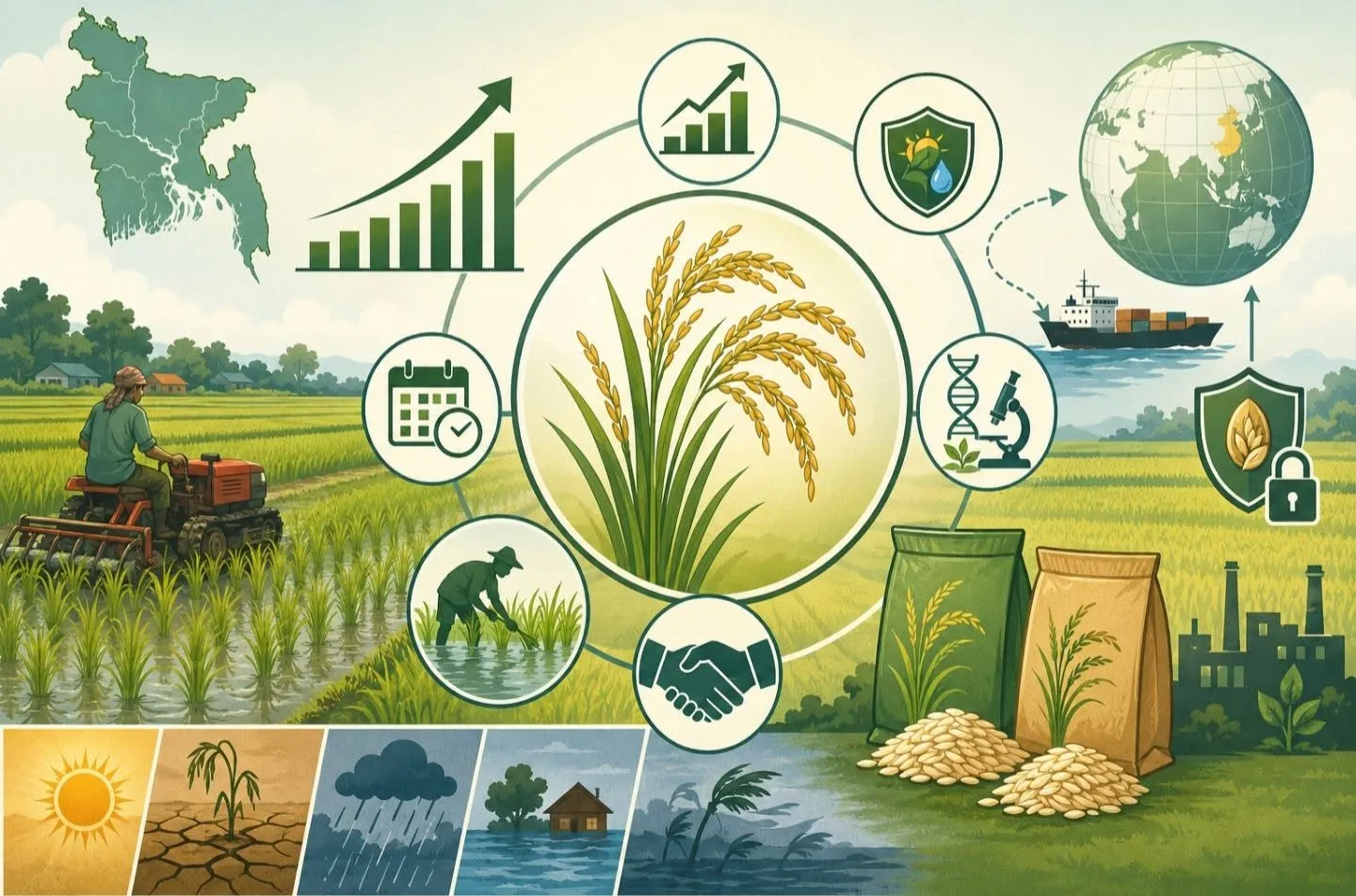
Fixing hybrid vigor across generations—synthetic apomixis—has been a holy grail of plant genetics for over half a century. If multi-environment field trials confirm stability, self-replicating hybrid seeds will democratize access to elite crop genetics for smallholder farmers, substantially lowering input costs and strengthening worldwide food security.
The Road to Commercialization
While this research represents a historic milestone, extensive agronomic evaluation, environmental safety assessments, and regulatory approvals must precede commercial distribution across global markets.
Fulfilling a Vision
Yuan Longping, the celebrated father of hybrid rice, famously envisioned hybrid varieties that could sustain their vigor across generations. Led by Kejian Wang at the China National Rice Research Institute, this breakthrough marks a monumental step toward realizing that vision, potentially unlocking clonal breeding in wheat, maize, and other staple crops.