The Science of Human Memory: From Infancy to Old Age
One of the profound mysteries of human consciousness is memory. We learned to walk, acquired speech, and took our first steps into the world during our first three to four years of life. Yet remarkably, almost none of us can consciously recall those formative years. It is as if the opening chapter of our personal biography was quietly erased. Why does this happen?
Infantile Amnesia and the Developing Brain
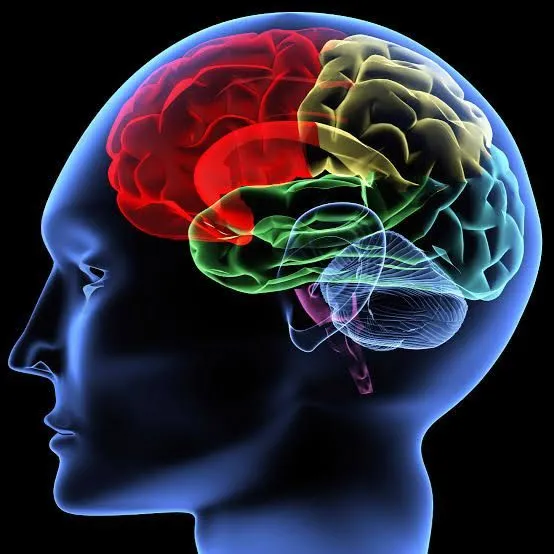
In neuroscience, this phenomenon is termed infantile amnesia. Far from a pathological disorder, it is a natural feature of early human brain maturation. At birth, our neural architecture is still under construction. The hippocampus—the vital brain structure responsible for consolidating short-term experiences into lasting long-term memories—is not yet fully developed. Neuroscientists have discovered that during early childhood, the hippocampus undergoes intense neurogenesis: an explosive generation of new neurons. This rapid integration of new cells continually rewires hippocampal circuits, disrupting the delicate synaptic pathways of pre-existing memories. Consequently, while young children absorb vast amounts of information, those early experiences cannot crystallize into permanent episodic recollections.
Compounding this neurological turnover is the absence of structured language. Human memory relies heavily on narrative architecture—we organize memories into stories. In our first few years, the linguistic framework required to encode those narratives is still forming. Furthermore, the prefrontal cortex—the cerebral conductor that organizes memories chronologically and establishes contextual timelines—matures slowly across childhood and adolescence, preventing early sensations from coalescing into structured autobiographical memories.
Implicit Memories: The Traces That Remain
Yet early childhood experiences do not vanish completely. Instead, they reside in another cognitive domain: our implicit or non-declarative memory. Deeply ingrained feelings of emotional security, instinctive reactions to environmental threats, and somatic memories of parental warmth are laid down during our earliest days. Decades later, a familiar fragrance, a forgotten lullaby, or the ambient light of a childhood home can evoke an overwhelming wave of nostalgia without conscious recollection. When adults recount childhood anecdotes or show us old photographs, our brains synthesize these external cues into vivid mental images through memory reconstruction. We may feel we are recalling the event itself, but neuroscience reveals we are experiencing a reconstructed narrative.
The Golden Age of Memory
Following childhood, the human brain enters the peak era of memory retention. Synaptic connectivity stabilizes, myelination accelerates, and neural circuits strengthen through continuous cognitive engagement. Supported by language, emotional maturity, and rich social experiences, memories are encoded with sharp fidelity. Cognitive psychologists observe that memories formed during adolescence and young adulthood—roughly between ages ten and thirty—are recalled with unparalleled vividness throughout life: a robust psychological phenomenon termed the “reminiscence bump.”
The Gradual Decline of Memory
This cognitive peak does not endure indefinitely. As the brain ages, subtle biological attrition sets in. Synaptic density gradually thins, the speed of neural communication slows, and levels of essential neurotransmitters such as acetylcholine decline. Encoding new information becomes more demanding, and retrieving distant recollections requires greater mental effort.
In severe cases, age-related neurodegeneration progresses into clinical dementia, most commonly manifested as Alzheimer’s disease. Pathologically, the accumulation of toxic beta-amyloid plaques between neurons and tangled tau proteins within cells suffocates synaptic communication, triggering widespread neuronal death. As cellular connections collapse, recent memories dissolve first, followed by historical recollections, cognitive faculties, and ultimately personal identity.
The Circular Arc of Human Life
The arc of human memory forms a poignant circle. In the dawn of life, our developing brains cannot hold onto the past; in the twilight of old age, those same faculties slowly slip from our grasp. The vibrant middle decades represent our golden window of conscious recollection.
Yet beneath this transient cycle lies an inspiring truth: whether remembered or forgotten, our lived experiences leave permanent impressions upon our neural pathways, our habits, and our emotional character. Memory is more than an archive of dates and events—it is the silent foundation of what makes us human.