Rangpur Lime: The World-Renowned Citrus Fruit from Bangladesh
An Intriguing Citrus in Global Horticulture
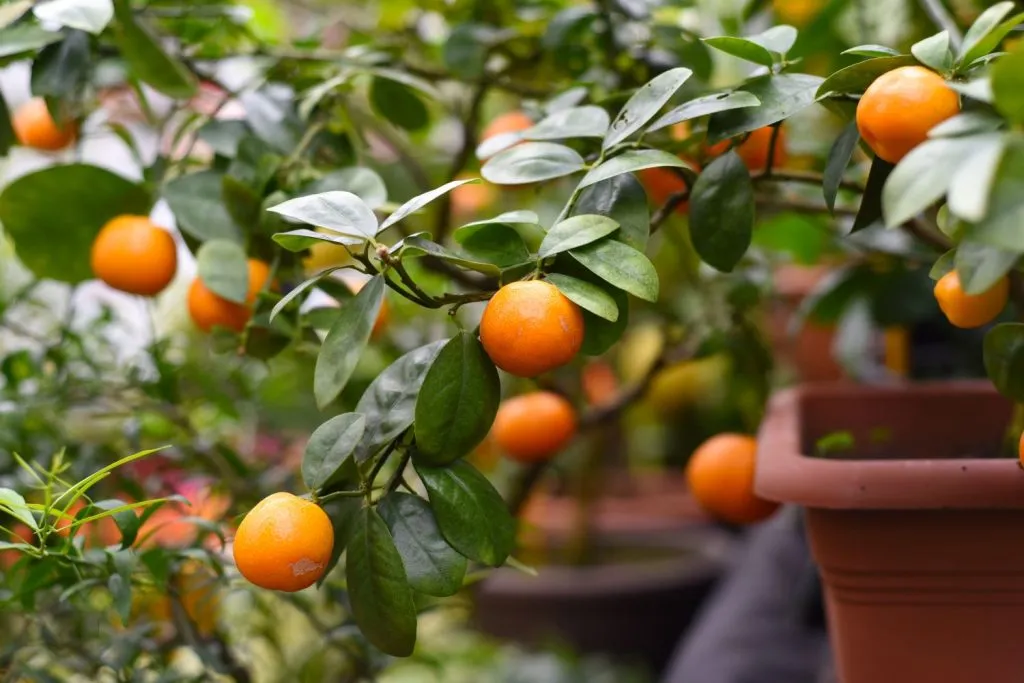
In the citrus orchards of Florida and California, commercial growers cultivate an unusual fruit that resembles a small mandarin orange in shape and color, yet possesses an intensely tart, acidic juice reminiscent of a sour lime. This remarkable fruit is known globally as the Rangpur lime.
Botanically classified as Citrus × limonia, this fruit is neither a true lime nor an orange. Instead, genomic analyses confirm that it is an ancient natural interspecific hybrid between the mandarin orange (Citrus reticulata) and the citron (Citrus medica). While largely obscure in mainstream markets, it enjoys immense popularity among horticulturists, distillers, and specialty chefs across the Western world.
Characteristics and Culinary Uses
The Rangpur lime possesses unique physical and organoleptic properties:
- Appearance: It features a smooth, loose reddish-orange rind with deep orange flesh, resembling a diminutive tangerine rather than a green Persian or Key lime.
- Aromatic Profile: The juice is profoundly sour and intensely acidic, characterized by floral and pungent citrus aromas with subtle resinous notes.
- Beverage and Culinary Pairing: It serves as a prized souring agent in gourmet marmalades and high-end craft cocktails. Notably, global distiller Tanqueray produces a celebrated gin—Tanqueray Rangpur—infused with Rangpur lime essence.
Rootstock and Ornamental Value
Beyond culinary use, the tree has immense agronomic value. Because of its vigorous root architecture, heavy cold tolerance, and natural resistance to the citrus tristeza virus (CTV), the Rangpur lime is widely employed as a grafting rootstock for commercial sweet oranges and grapefruits throughout Brazil and Central America.
Furthermore, because the tree produces striking white blossoms alongside radiant orange fruit, nurseries frequently cultivate it as an ornamental indoor patio plant in temperate climates.
Historical Origins: The Forgotten Heritage of Rangpur
Despite its global fame, few people realize that this unique citrus fruit originated in the Rangpur district of northern Bangladesh. During the nineteenth century of the British colonial era, European botanists identified this spontaneous hybrid flourishing in local homestead orchards around Rangpur.
Intrigued by its vigor and distinctive acidity, botanical explorers transported seed specimens to botanical gardens in India, Australia, and eventually the United States. While the Rangpur lime established a lasting horticultural footprint overseas, it remains a fascinating living link between Bangladesh’s rich agricultural biodiversity and global botany.