How Hot Is the Naga Chili? Capsaicin, SHU, and Extreme Peppers
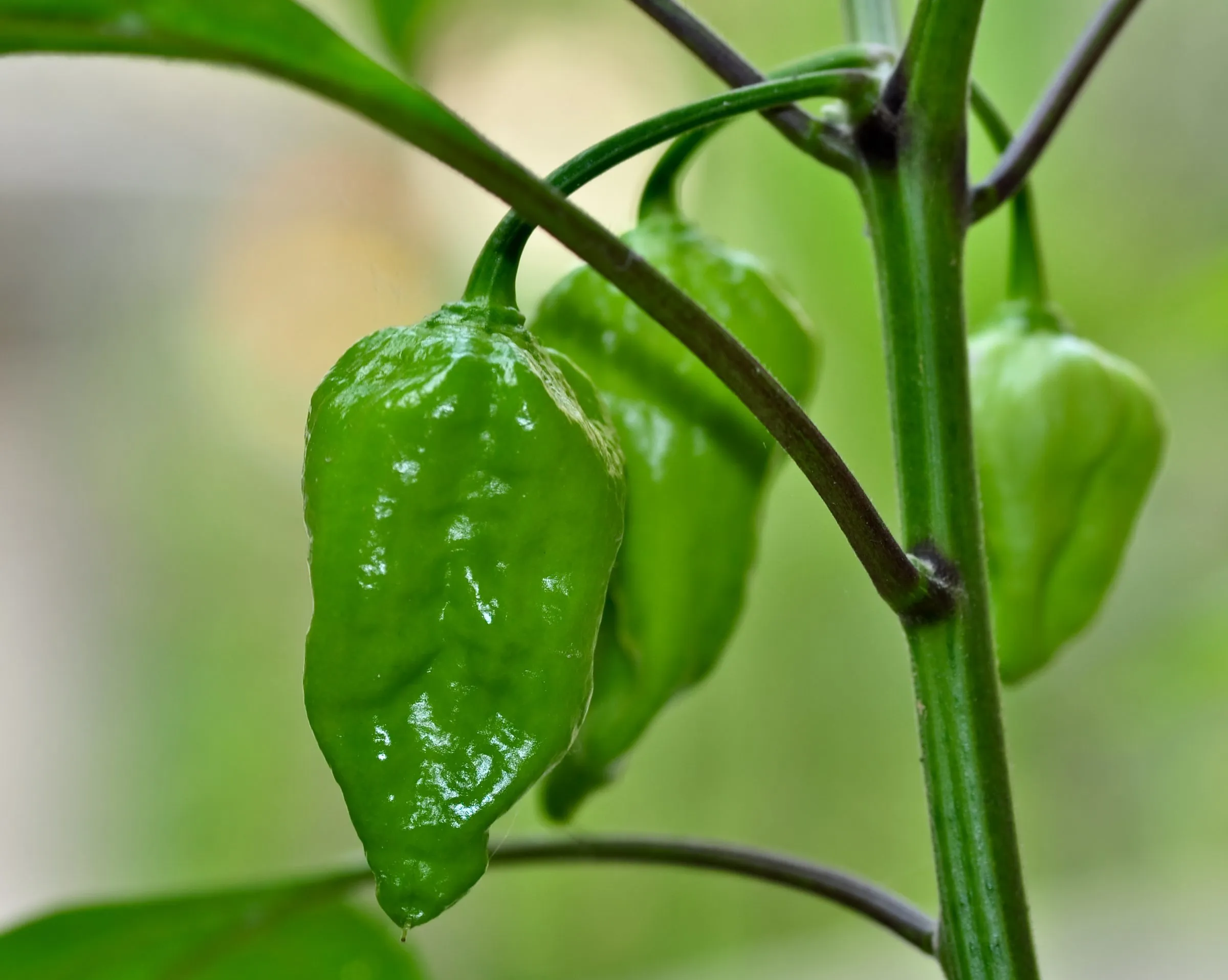
The Legendary Fire of the Naga Chili
Among chili enthusiasts and culinary daredevils worldwide, few names evoke as much reverence and trepidation as the Naga chili (also known locally as Naga Morich). Indigenous to the Sylhet region of northeastern Bangladesh and adjacent parts of Assam, this wrinkly, teardrop-shaped pepper is celebrated for its blistering, ferocious heat.
Yet the Naga chili offers far more than raw pungency. Unlike many hot peppers that carry harsh metallic notes, authentic Naga Morich is prized for an exquisite, fruity, and floral aroma that enhances traditional South Asian dishes before its searing burn takes hold.
Capsaicin and the Scoville Heat Scale
The intense burning sensation experienced when eating spicy peppers is caused by an organic chemical alkaloid called capsaicin, along with related capsaicinoids. Capsaicin binds directly to TRPV1 receptors located on sensory nerve fibers in the tongue and oral mucous membranes—the exact neural receptors that signal physical burning and heat pain.
To quantify pungency, American pharmacologist Wilbur Scoville developed the Scoville Organoleptic Test in 1912, measuring pungency in Scoville Heat Units (SHU):
- Mild to Moderate: Jalapeño peppers typically measure between $2,500$ and $8,000$ SHU.
- Hot: Cayenne peppers range between $30,000$ and $50,000$ SHU.
- Very Hot: Traditional habaneros register between $100,000$ and $350,000$ SHU.
- Superhot: The Naga chili regularly eclipses $1,000,000$ SHU—making it roughly one hundred to two hundred times hotter than a jalapeño.
Global Fame via the British Diaspora
The global ascent of the Naga Morich began through the British Bangladeshi diaspora. Restaurant owners and chefs in London and across the United Kingdom introduced the pepper into specialty curry houses, where “Naga curries” quickly achieved cult status among chili lovers.
Close relatives of the Naga chili include the famous Bhut Jolokia (Ghost Pepper) of northeast India and the Dorset Naga, a selected strain bred in England that set international heat benchmarks.
The Evolution of Superhot Peppers
The discovery of million-plus SHU landrace cultivars like the Naga chili sparked an international competitive breeding race. In 2013, American breeder Ed Currie crossed a Pakistani Naga with a Red Habanero to create the Carolina Reaper, which Guinness World Records certified at an astonishing average of over $1.6$ million SHU, with peak values exceeding $2.2$ million SHU.
Conclusion
While newer laboratory hybrids have set even higher Scoville records, the Naga chili remains a naturally evolved botanical treasure of Bangladesh. With its unique balance of intoxicating floral fragrance and incendiary pungency, it continues to define the art of extreme heat.