Rainbow Corn Genetics: The Art and Science of Diversity
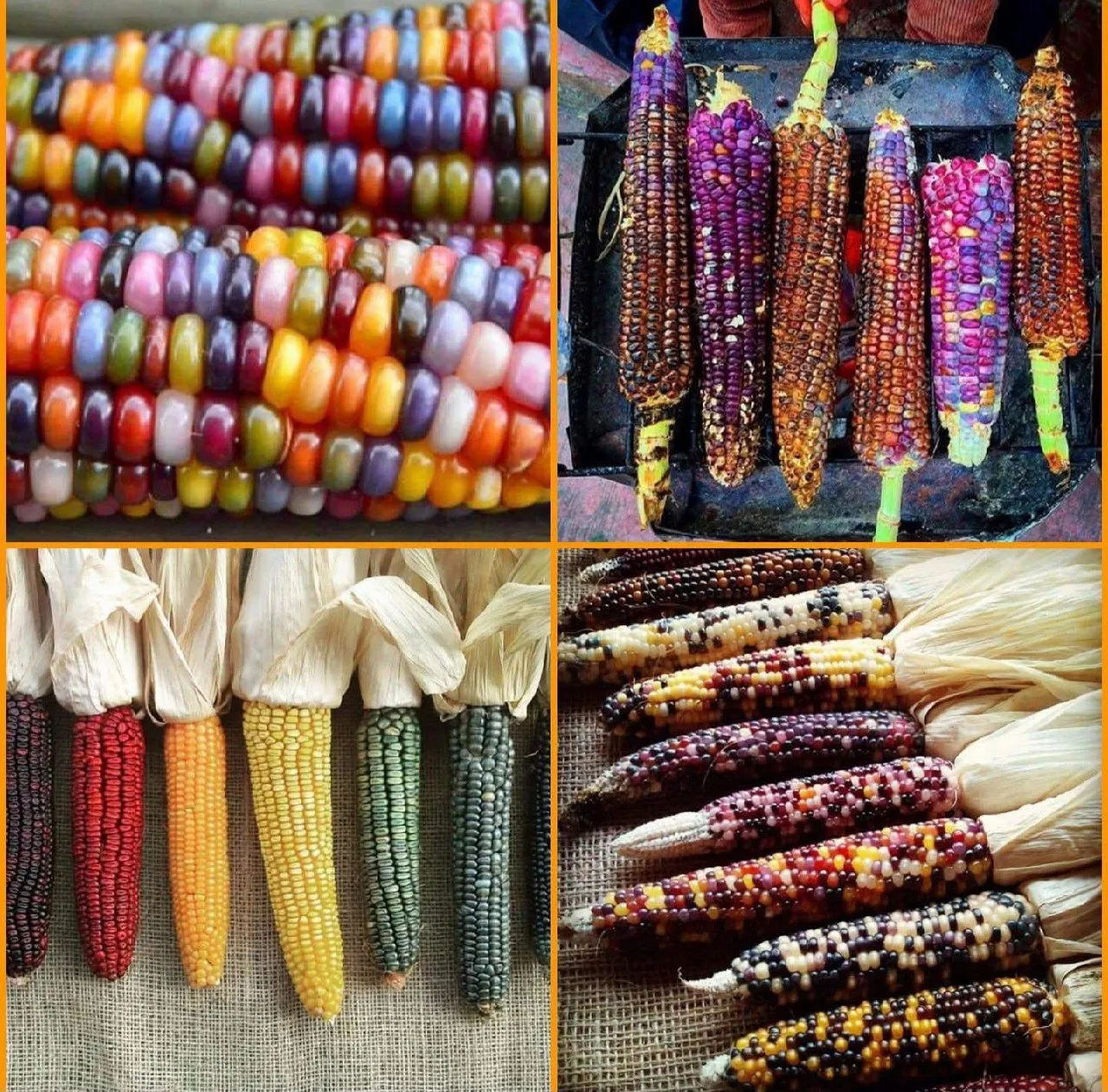
For most of us, the word corn immediately conjures an image of uniform golden-yellow kernels. Yet nature’s genetic library contains far more than monochrome maize. Across various corners of the world grows corn that resembles an explosion of color: kernels in vibrant shades of azure, deep indigo, ruby red, amber, and even translucent glassy hues that gleam like polished gems. Often celebrated as “Rainbow Corn” or “Glass Gem Corn,” these dazzling cobs are neither artificial novelties nor laboratory-engineered genetically modified organisms. They are living testaments to the breathtaking natural genetic diversity inherent in the plant kingdom.
The Biochemistry of Kernel Coloration
The vivid palette of corn kernels is dictated primarily by natural plant pigments. Chief among them are anthocyanins—the water-soluble flavonoid pigments responsible for purple, deep blue, magenta, and red tones. Complementing them are carotenoids, which produce radiant yellow and warm orange shades. What makes an ear of corn uniquely suited for such diversity is that each individual kernel is an independent seed resulting from a distinct fertilization event. Consequently, neighboring kernels on the very same cob can inherit slightly different combinations of maternal and paternal alleles, transforming a single ear of corn into a mosaic of multicolored gems.
How Was Multicolored Corn Cultivated?
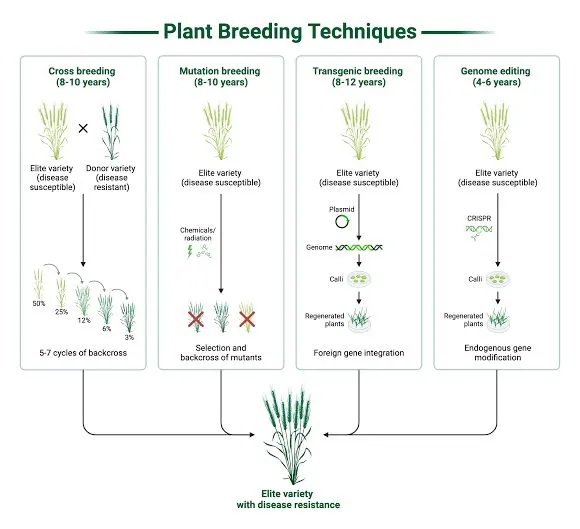
Unraveling the origin of rainbow corn leads directly into the rich history of indigenous agronomy. For millennia, Native American farmers in the Americas meticulously cultivated and preserved heirloom varieties of maize. They observed natural variations in kernel coloration and engaged in systematic artificial selection: saving seeds from the most vibrant, resilient, or uniquely patterned ears to sow in subsequent seasons—a practice known as selective breeding.
Over centuries, observant growers cross-pollinated distinct heirloom lines, transferring pollen from one colored variety onto the silks of another. This deliberate recombination produced complex genetic lineages boasting incredible phenotypic richness. In modern horticulture, plant breeders have refined this art by linking specific genetic markers to pigment expression pathways, allowing them to stabilize stunning heirloom heirlooms while safeguarding their genetic vigor.
The Harmony of Complex Gene Interactions
The final hue of an individual kernel is rarely governed by a single isolated gene. Instead, it arises from the interplay of multiple structural and regulatory genes operating simultaneously within the kernel’s pericarp, aleurone layer, and endosperm. While structural genes encode the enzymes that synthesize specific pigments, regulatory genes dictate where, when, and to what degree those pigments are laid down. This intricate biochemical choreography produces subtle gradations where a deep violet kernel can sit directly beside a pale rose or crystal-clear translucent sibling.
Transposons and the Wonder of Jumping Genes
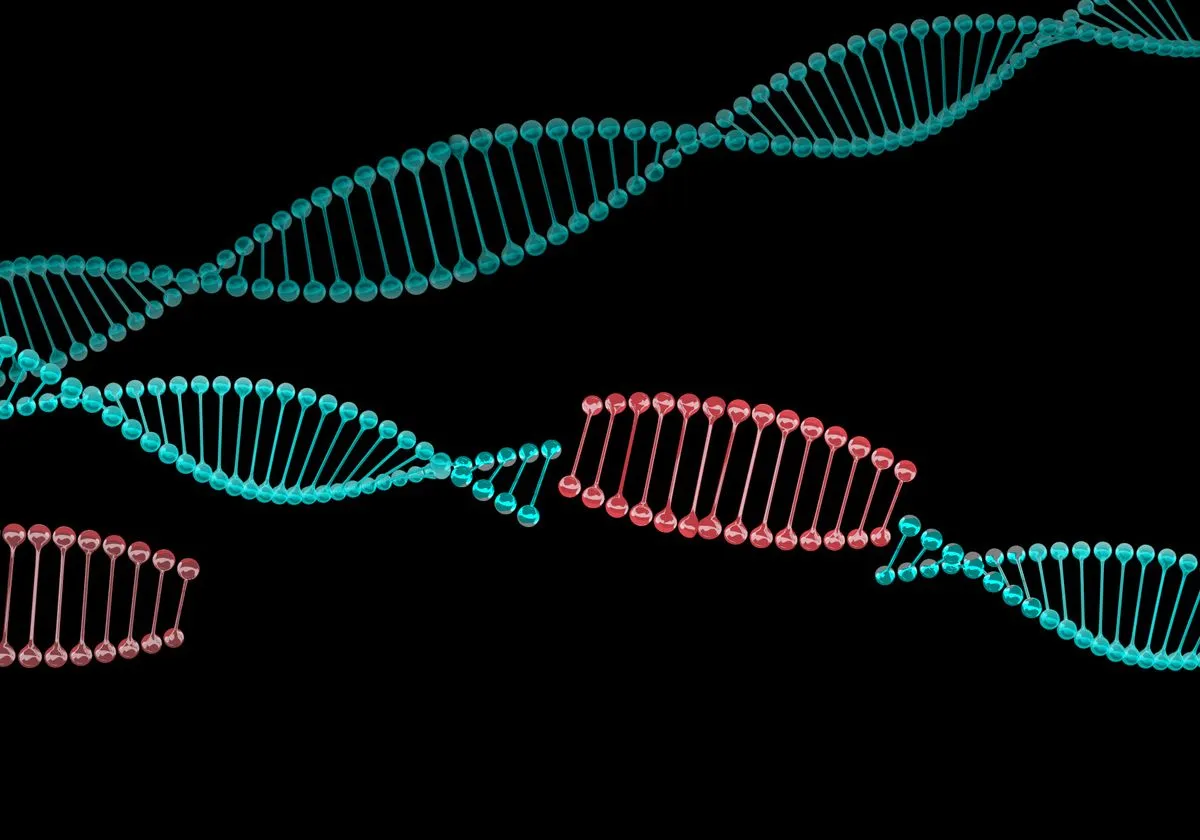
Adding another layer of wonder to multicolored corn is one of the most celebrated discoveries in modern genetics: “jumping genes” or transposons. Pioneered by American geneticist Barbara McClintock—work that earned her the 1983 Nobel Prize in Physiology or Medicine—her studies on maize revealed that certain segments of DNA can physically change their position within the genome. As these mobile genetic elements transpose into or out of pigment-producing genes during kernel development, they abruptly switch pigment synthesis on or off. This molecular hopping creates the signature speckling, stripes, and variegated mosaic patterns that make each ear of rainbow corn visually distinct.
Preserving Agricultural Heritage
Rainbow corn is far more than an aesthetic curiosity; it embodies millennia of agricultural heritage and food sovereignty. Indigenous farming communities across the Americas stewarded this genetic richness through generations of climate fluctuations and environmental shifts. In recent years, the resurgence of Glass Gem Corn has catalyzed the global heirloom seed-saving movement, reminding us of the immense biodiversity that modern industrial monoculture risks eclipsing.
Conclusion
The story of rainbow corn demonstrates that plant breeding is not solely an agronomic science—it is a profound living art form. It reflects human patience, keen observation, and centuries of collaborative stewardship with nature. Holding an ear of rainbow corn is a tangible reminder of what happens when natural genetics and human dedication intertwine to create living masterpieces.