Kary Mullis: The Inventor of PCR and Nobel Laureate
A Maverick Chemist and a Molecular Breakthrough
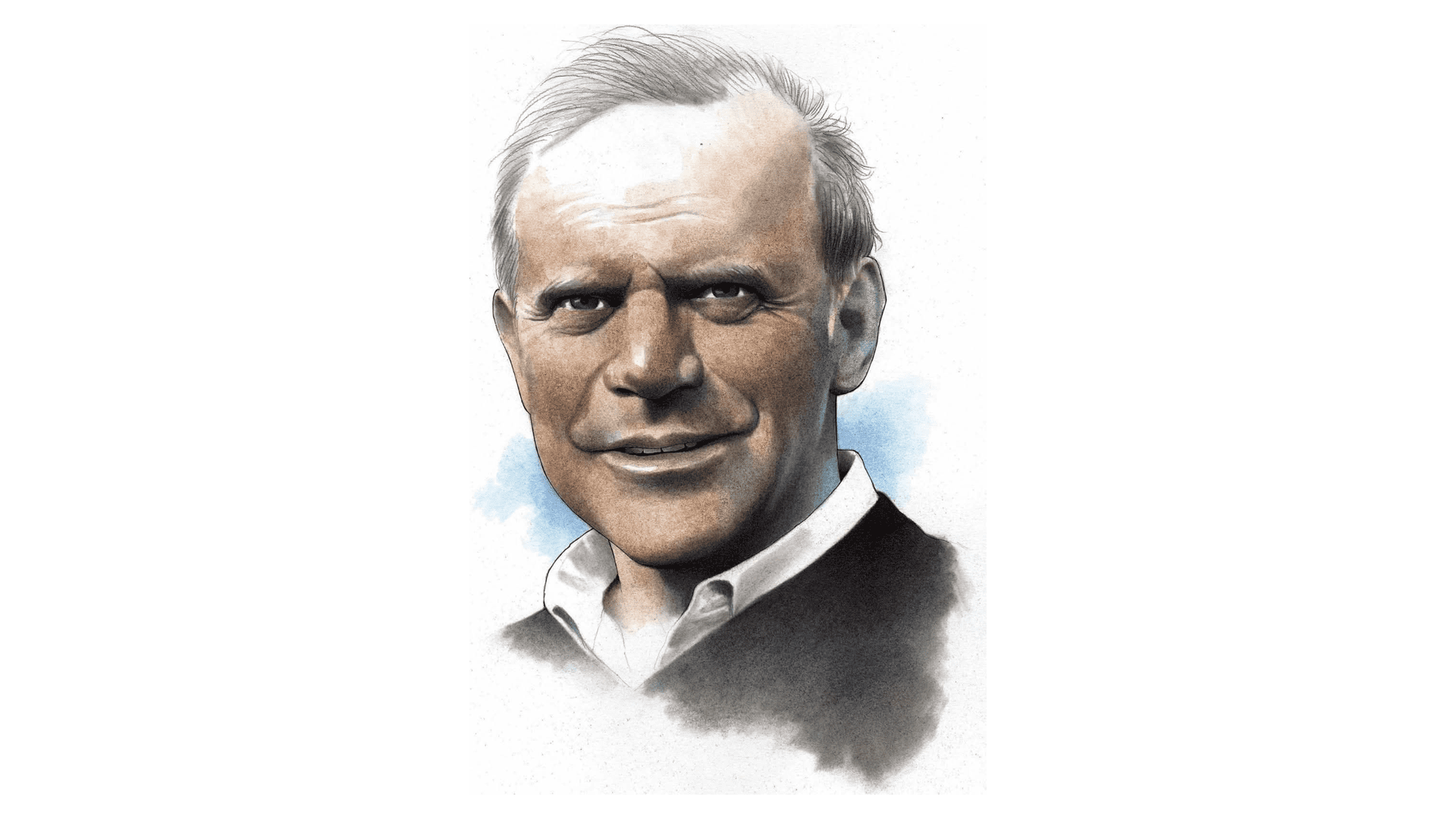
Born on December 28, 1944, American biochemist Kary Mullis revolutionized biotechnology by inventing the Polymerase Chain Reaction (PCR). His discovery transformed molecular biology from a painstaking specialty into one of the most powerful tools in modern medicine and genetic research.
For more than four decades, PCR has served as the foundational technology of genetics. Today, no molecular biology laboratory can function without it.
The Problem of DNA Amplification
To study genes, forensic evidence, or viral infections, scientists must examine specific DNA sequences. Yet natural biological samples usually contain only trace amounts of DNA. Amplifying these microscopic quantities was once a grueling, weeks-long ordeal.
In nature, cellular replication requires a coordinated cascade of enzymes. Helicase unwinds the double-stranded DNA helix, while DNA polymerase copies each template strand. Replicating this enzymatic dance artificially in test tubes was expensive, delicate, and inefficient.
The Eureka Moment on a California Highway
In 1983, while working as a DNA chemist at Cetus Corporation in California, Mullis was driving late at night along California’s Highway 128 through Mendocino County. During that drive, the solution struck him like a flash of lightning—a true “Eureka moment.”
He pulled his car to the side of the road and grabbed a pencil, realizing that thermal cycling could replace complex unwinding enzymes altogether. High temperatures could denature and separate double-stranded DNA without destroying the underlying genetic sequence. However, a major hurdle remained: heating the reaction destroyed conventional DNA polymerase, requiring researchers to replenish fresh enzyme after every single heating cycle.
Taq Polymerase: The Heat-Resistant Miracle
Mullis overcame this barrier by incorporating a specialized enzyme known as Taq polymerase. Harvested from Thermus aquaticus, a thermophilic bacterium thriving in the scalding geysers of Yellowstone National Park, this enzyme is naturally adapted to extreme temperatures.
Taq polymerase remains fully functional even near boiling temperatures, allowing automated thermal cycling without degrading the catalytic enzyme.
The Elegant Simplicity of the PCR Cocktail
The PCR method combines four essential components in a single vial:
- Target DNA template
- Short synthetic DNA primers flanking the sequence of interest
- Free deoxynucleotide building blocks (dNTPs)
- Thermostable Taq DNA polymerase in a buffered solution
By repeatedly heating to separate DNA strands, cooling to anneal primers, and warming to extend new strands, each cycle doubles the quantity of target DNA. In just thirty automated cycles, a single fragment of DNA is amplified into over one billion identical copies in a matter of hours.
Corporate Profits and the Nobel Prize
Under his employment agreement with Cetus Corporation, Mullis was awarded a $10,000 bonus for his invention. Cetus later sold the patent rights for PCR to pharmaceutical giant Hoffmann-La Roche for $300 million—of which Mullis received nothing further.
However, the global scientific community recognized the world-altering nature of his achievement. In 1993, Kary Mullis was awarded the Nobel Prize in Chemistry. Today, his invention underpins infectious disease diagnostics, cancer genetics, forensic DNA profiling, and ancient paleogenomics.