James Watson: Co-Discoverer of the DNA Double Helix and Controversial Legacy
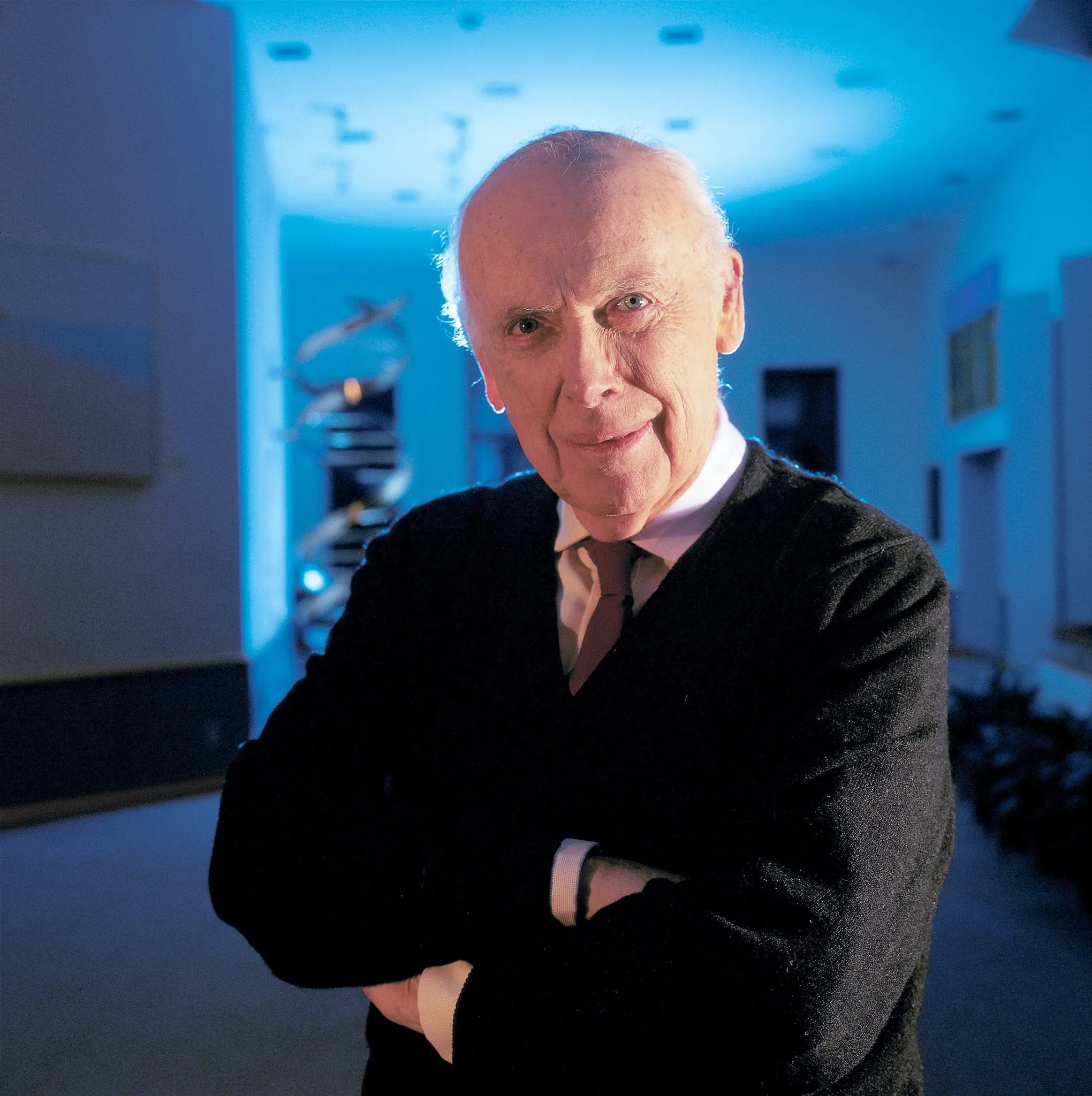
Biologist James Watson, one of the central figures in the unraveling of DNA’s molecular structure, passed away at the age of 97. His place in the history of science remains permanently etched alongside that of Francis Crick, with whom he demonstrated that the fundamental blueprint of terrestrial life is stored in an elegant, twisted-ladder polymer known as the DNA double helix.
The DNA Discovery and a New Era in Biology
In 1953 at the Cavendish Laboratory in Cambridge, James Watson and Francis Crick constructed a three-dimensional physical model of deoxyribonucleic acid. The structure comprised two complementary polynucleotide chains winding around a central axis, held together by specific hydrogen bonds between purine and pyrimidine bases: adenine with thymine, and guanine with cytosine.
Their discovery immediately suggested a copying mechanism for genetic material, laying the cornerstone for several transformative branches of modern biology:
- Molecular genetics and recombinant DNA technology
- Molecular biology and protein synthesis analysis
- Genomics, DNA sequencing, and forensic science
In 1962, Watson, Crick, and Maurice Wilkins shared the Nobel Prize in Physiology or Medicine for their discoveries concerning the molecular structure of nucleic acids.
Rosalind Franklin and the Ethical Controversy
The glory of the Nobel Prize was accompanied by persistent ethical controversy. Watson and Crick’s breakthrough relied heavily on unpublished X-ray diffraction data collected by physical chemist Rosalind Franklin at King’s College London.
Franklin’s iconic “Photo 51″—shown to Watson without her knowledge or consent by Maurice Wilkins—revealed the distinct helical diffraction pattern essential to deciphering DNA’s symmetry and dimensions. Tragically, Franklin died of ovarian cancer in 1958 at the age of 37, four years before the Nobel Prize was awarded. Historical scrutiny has highlighted how Franklin’s pivotal contributions were minimized, sparking decades of debate over recognition and gender equity in science.
Racial Controversies and Public Fall
In his later years, James Watson generated intense global outrage through repeated derogatory statements on race and intelligence. In a 2007 interview, Watson made baseless, scientifically discredited assertions claiming inherent cognitive differences between racial groups.
The scientific community swiftly condemned his remarks as scientifically baseless and offensive. Consequently, Watson was stripped of his leadership titles at Cold Spring Harbor Laboratory (CSHL), an institution he had led and elevated for decades. Following further reiterated claims in a 2019 documentary, CHL severed all remaining honorary ties and revoked his Chancellor Emeritus title.
Scientific Impact and Final Assessment
Despite deep personal controversies, Watson’s contributions to molecular biology remain historically consequential. His bestselling 1968 memoir, The Double Helix, provided a candid, behind-the-scenes glimpse into competitive scientific discovery. In the late 1980s and 1990s, he served as the inaugural director of the Human Genome Project, steering the global effort to sequence the entire human genome.
The life of James Watson presents a complex portrait of brilliant scientific intuition juxtaposed against deeply flawed personal prejudices, reminding us that extraordinary scientific achievements exist alongside human imperfections.