On the Brink of a Nuclear Revolution: China's Thorium-Powered Reactor
A New Frontier for Nuclear Power
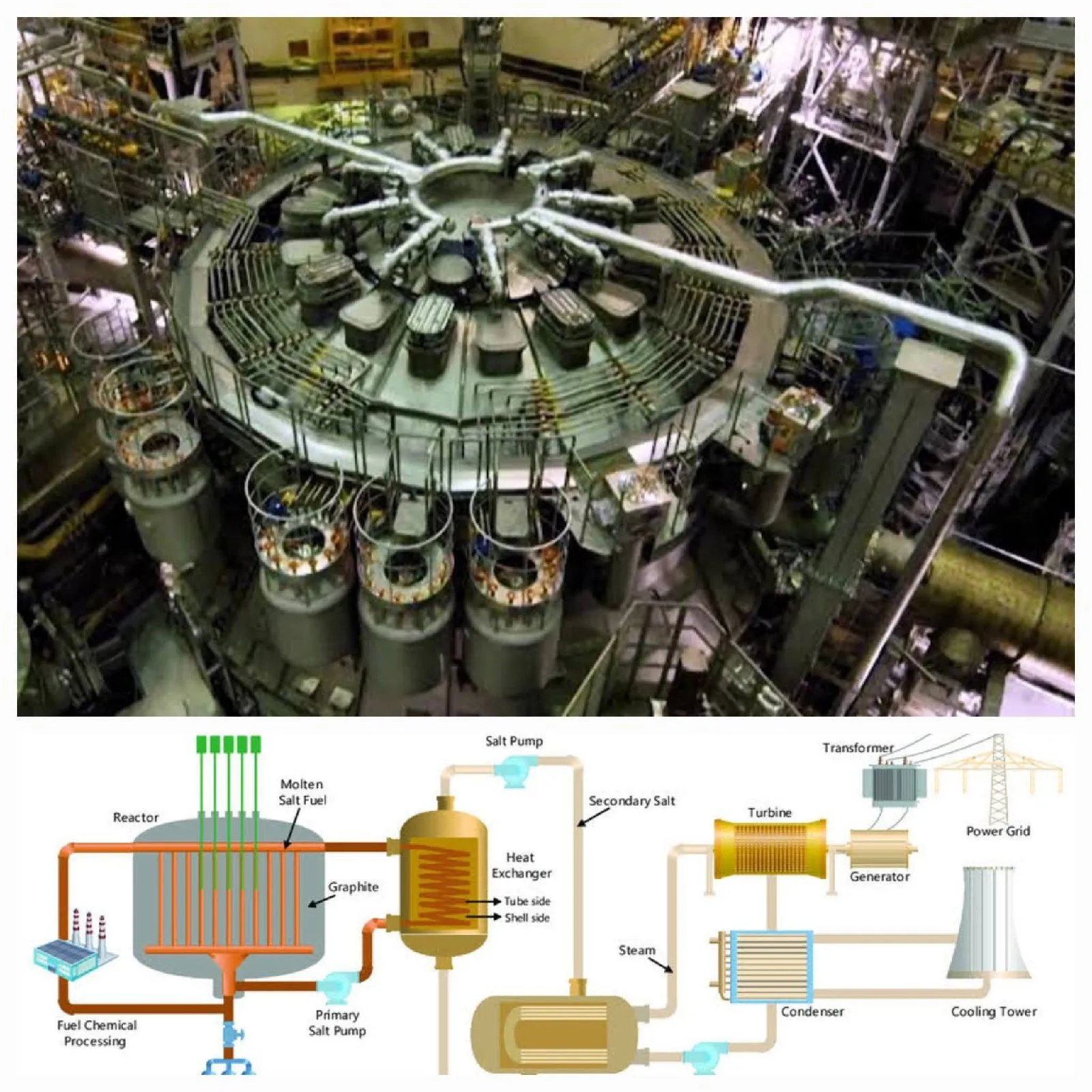
For years, energy experts whispered about the dawn of an alternative nuclear era. That speculation turned into tangible reality when historic news emerged from China’s Gobi Desert. Chinese nuclear scientists announced the successful continuous operation of an advanced thorium-fueled nuclear reactor. More remarkably, engineers achieved online refueling—replacing fuel salts while the reactor remained fully operational—marking a world first in civilian nuclear engineering.
A Safer, Proliferation-Resistant Alternative to Uranium
This breakthrough opens an unprecedented chapter in energy generation. For decades, commercial nuclear power has relied almost exclusively on uranium. While uranium produces immense electrical output, it carries grave proliferation risks and yields toxic, long-lived transuranic radioactive waste. Thorium, by contrast, is far more abundant in Earth’s crust, generates significantly less waste, and is exceptionally difficult to weaponize into nuclear warheads, making it virtually proliferation-proof.
How Molten Salt Reactors Work
Located near Wuwei in the Gobi Desert, the two-megawatt experimental facility operates as a Molten Salt Reactor (MSR). Instead of solid fuel rods encased in pressurized water, the fuel is dissolved directly into high-temperature fluoride molten salt that doubles as the coolant. Operating at near-atmospheric pressure, molten salt designs cannot suffer high-pressure steam explosions like Chernobyl or Fukushima. If electrical power is lost, gravity-operated freeze plugs melt, safely draining the liquid fuel into underground passively cooled storage tanks where it solidifies harmlessly.
Reviving Abandoned American Research
Remarkably, molten salt reactor technology originated in the United States. Following World War II, the Oak Ridge National Laboratory successfully operated an experimental molten salt reactor in the 1960s. However, because uranium reactors yielded plutonium needed for weapons during the Cold War, the U.S. government cancelled funding for thorium research in the 1970s. Decades later, Chinese researchers retrieved those publicly accessible historical archives, refined the metallurgy, and built upon the forgotten technology.
Sustainable and Desert-Friendly Energy
Project lead scientist Xu Hongjie noted: “When the hare naps, the tortoise takes the lead.” Because molten salt reactors do not require massive volumes of water for cooling, they can be deployed in arid desert environments, powering green industrial hubs and hydrogen production facilities without stressing freshwater ecosystems.
A Transformed Vision for Atomic Energy
China’s achievement represents more than an isolated engineering feat; it signals a transformative paradigm shift for global decarbonization. By converting thorium into safe, baseload electricity, humanity can turn nuclear energy into a benign, sustainable cornerstone of our clean energy future.