Is the African Continent Splitting in Two? The Birth of a New Ocean
Geological Rupture Across East Africa
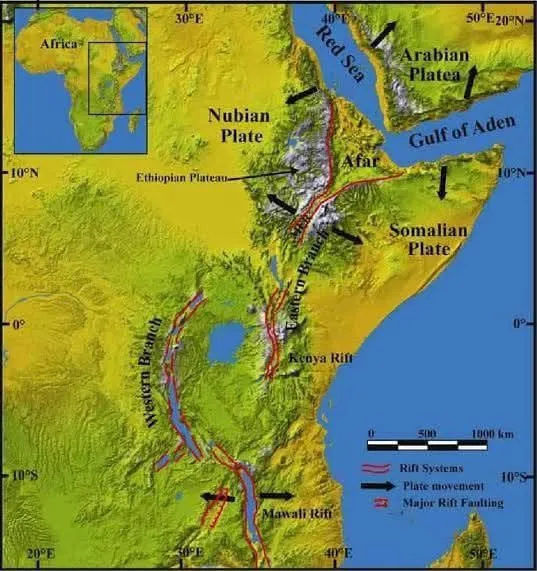
Along the eastern expanse of the African continent, nature is actively redrawing the global map. Geologists have documented a massive continental tear that is slowly cleaving Africa into two separate landmasses. This is no ordinary seismic event; it is an epochal tectonic phenomenon known as continental rifting.
Plate Tectonics and Deep-Mantle Magma
Deep within the Earth, immense mantle plumes of superheated molten magma are surging upward beneath the continental crust, stretching and thinning the lithosphere. As the crust fractures, deep chasms and volcanoes emerge. Over tens of millions of years, this ongoing tectonic rupture will allow the ocean to flood the depression, birthing a brand new ocean basin.
The Afar Depression: A Living Geological Laboratory
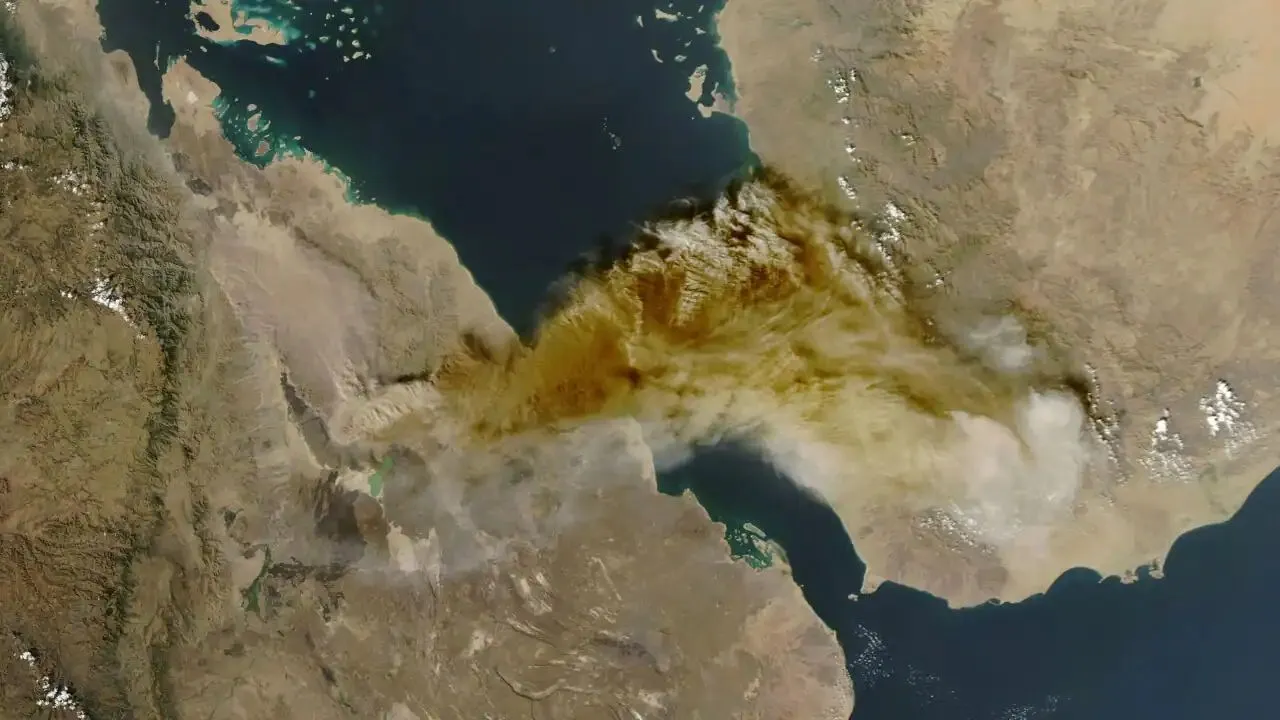
In 2005, the world received a dramatic preview of this titanic process in the Afar desert of Ethiopia. In just ten days, seismic fissures opened a 56-kilometer-long, 8-meter-wide volcanic rift in the desert floor. The East African Rift Valley spans nearly 6,000 kilometers from the Red Sea down to Mozambique. Along this tear, two major lithospheric plates—the Somali Plate to the east and the Nubian Plate to the west—are pulling apart at roughly a few millimeters to an inch per year.
The Emergence of a New Sub-Continent and Seaway
What will our planet look like millions of years into the future? Geoscientists project that eastern Africa—comprising Somalia, eastern Ethiopia, Kenya, and parts of Tanzania—will detach completely as a large island subcontinent drifting into the Indian Ocean. Waters from the Red Sea and the Gulf of Aden will flood the sunken valley, forging a new tropical sea separating the two landmasses. The arid deserts of today will become the ocean floor of tomorrow.
The Dynamic Pulse of a Living Planet
Continental breakup fundamentally reshapes regional climates, alters ocean circulation, spurs speciation, and generates dynamic volcanic chains. These transformations remind us that Earth is no inert rock frozen in time, but a vibrant, living planet whose restless crust continues to evolve with relentless power.