Rabindranath Tagore's Scientific Mind

The Poet’s Lesser-Known Identity
Rabindranath Tagore is globally celebrated as a poet, composer, dramatist, and philosopher. Yet an equally profound facet of his intellectual life is often overlooked: Tagore was deeply fascinated by modern science and committed to the scientific worldview.
A Scientific Renaissance
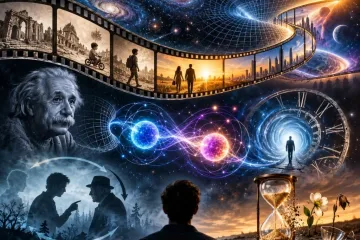
The early twentieth century witnessed an intellectual revolution in physics and astronomy: Einstein’s general relativity, Niels Bohr’s quantum model of the atom, and Edwin Hubble’s expanding universe. From Bengal, Tagore followed these developments with ardent curiosity. He recognized that science was not merely a set of laboratory techniques, but a transformative way of thinking that liberated the human intellect to question dogma.
Visva-Parichay: Introducing the Universe
The most tangible testament to his scientific engagement was his 1937 book Visva-Parichay (Introduction to the Universe). Written in accessible Bengali prose for non-specialist readers, it lucidly explained atomic physics, celestial mechanics, planetary astronomy, and geology. Tagore believed that unless scientific knowledge was articulated in the people’s vernacular, true intellectual enlightenment could never take root.
Science and Human Values
For Tagore, science and humanism were mutually indispensable. He warned against the blind worship of unguided technocracy, cautioning that technological power devoid of moral responsibility would unleash devastation rather than liberation—a warning with heightened resonance in our era of artificial intelligence and genetic editing.
The Historical Dialogue with Einstein
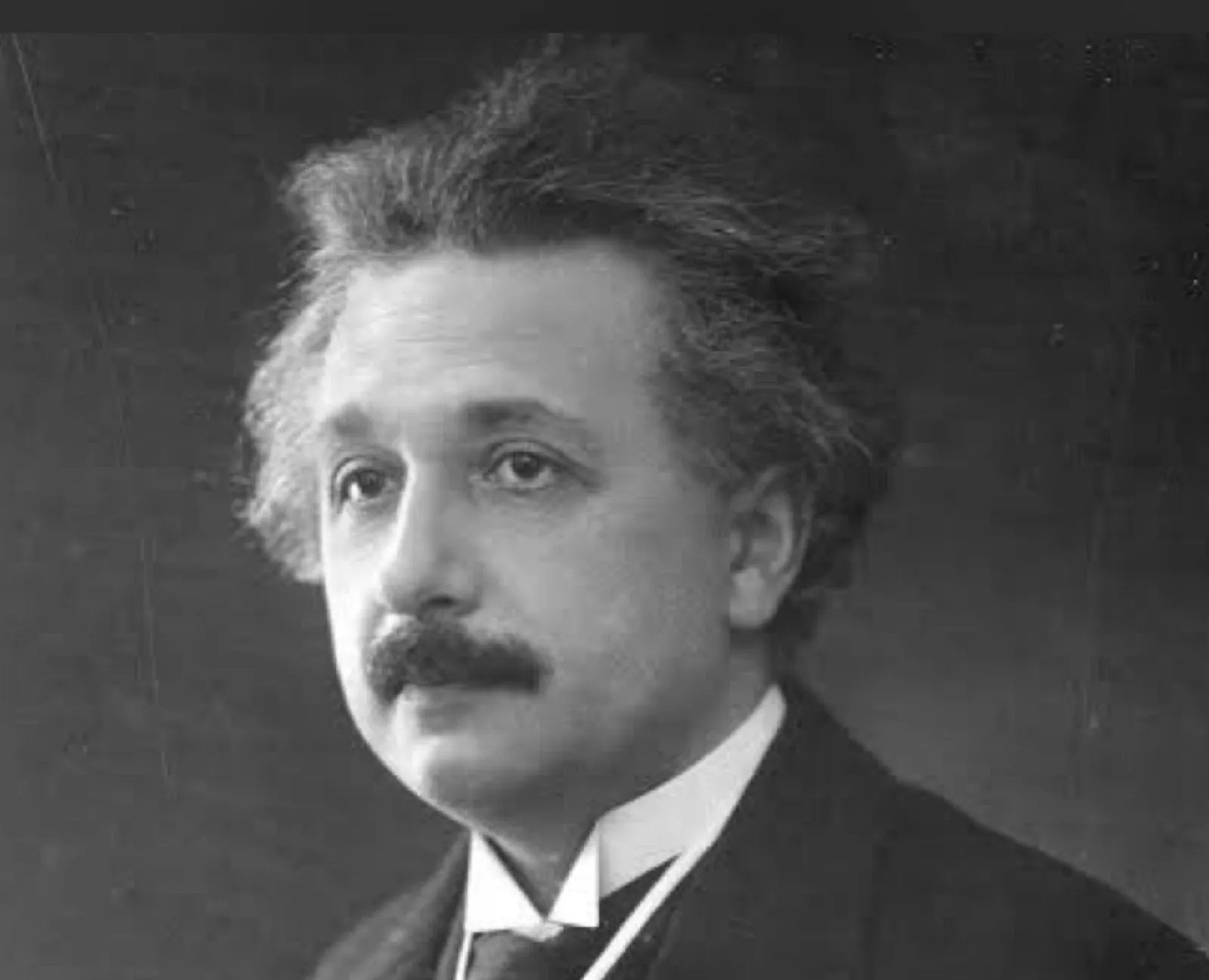
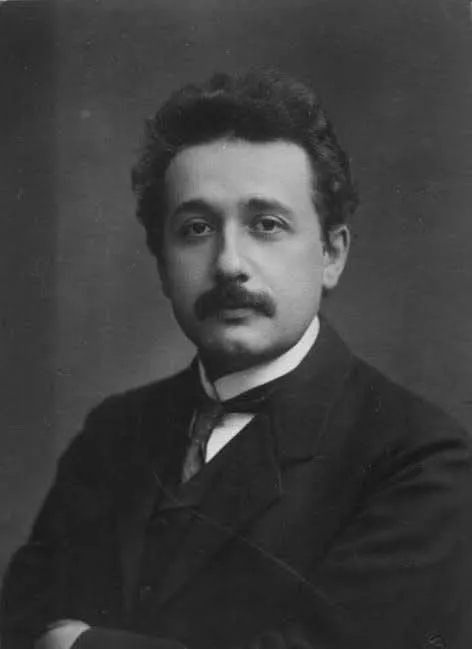
In 1930, Tagore and Albert Einstein met in Caputh near Berlin for a celebrated philosophical dialogue. Their conversation explored whether truth and beauty exist independently of human consciousness. Einstein defended an objective, observer-independent reality, while Tagore articulated an experiential philosophy where truth is realized through human consciousness. That historic meeting remains a touchstone of intellectual dialogue between science and philosophy.
Nurturing Curiosity at Santiniketan
At his open-air school in Santiniketan, Tagore integrated direct observation of nature into daily pedagogy. Rejecting rote memorization, he argued that genuine education begins with inquisitive wonder, encouraging children to observe natural phenomena and gaze at the night sky in awe.
Tagore’s Relevance Today
As humanity designs lunar bases, prepares Martian expeditions, and builds quantum computers amidst climate instability and conflict, Tagore’s vision remains remarkably prescient: scientific knowledge achieves its highest purpose only when harmonized with human empathy, ethics, and beauty.