Paul Berg: The Father of Genetic Engineering
The Passing of a Scientific Pioneer
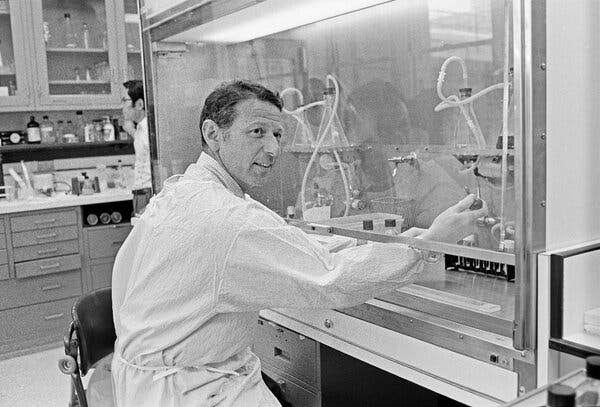
In February 2023, the scientific community mourned the loss of Dr. Paul Berg at the age of 96. An emeritus professor of biochemistry at Stanford University School of Medicine, Berg pioneered one of the most consequential biological revolutions of the twentieth century: the ability to splice genetic material from one organism and insert it into another.
The Birth of Recombinant DNA Technology
In the early 1970s, Berg achieved a historic breakthrough by splicing DNA from the bacterium Escherichia coli into the genome of the monkey virus SV40. Published in the Proceedings of the National Academy of Sciences (PNAS) in 1972, this landmark experiment marked the birth of recombinant DNA technology—widely known today as genetic engineering.
The Nobel Prize in Chemistry
While manipulating DNA is now routine in biotechnology laboratories worldwide, five decades ago it represented an audacious conceptual and technical leap. For his foundational work in constructing the world’s first recombinant DNA molecules, Paul Berg was awarded the 1980 Nobel Prize in Chemistry.
Transforming Medicine and Global Agriculture
Berg’s discovery inaugurated the modern biotechnology industry. In agriculture, recombinant techniques have produced high-yielding crops endowed with insect resistance, drought tolerance, and enhanced micronutrient profiles. In human healthcare, genetic engineering catalyzed the development of recombinant human insulin, synthetic human growth hormone, monoclonal antibodies, targeted oncology therapeutics, and modern mRNA vaccines. Billions of dollars in global research and development trace their foundations directly to Berg’s laboratory.
Ethical Responsibility and the Asilomar Conference
Beyond his experimental triumphs, Paul Berg demonstrated profound ethical leadership. Recognizing the biohazard risks of manipulating recombinant organisms, he organized the historic 1975 Asilomar Conference on Recombinant DNA. The conference brought together international scientists, ethicists, and legal scholars to establish rigorous voluntary biosafety containment standards, ensuring responsible scientific exploration.
An Enduring Legacy
Paul Berg was a humble scholar whose foundational insights transformed our relationship with the code of life. As humanity continues to harness biotechnology to heal disease and feed growing populations, Berg’s legacy stands as an immortal pillar of biomedical science.