The Human Microbiome: Unseen Microbes and Human Health
An Invisible Symbiotic Empire
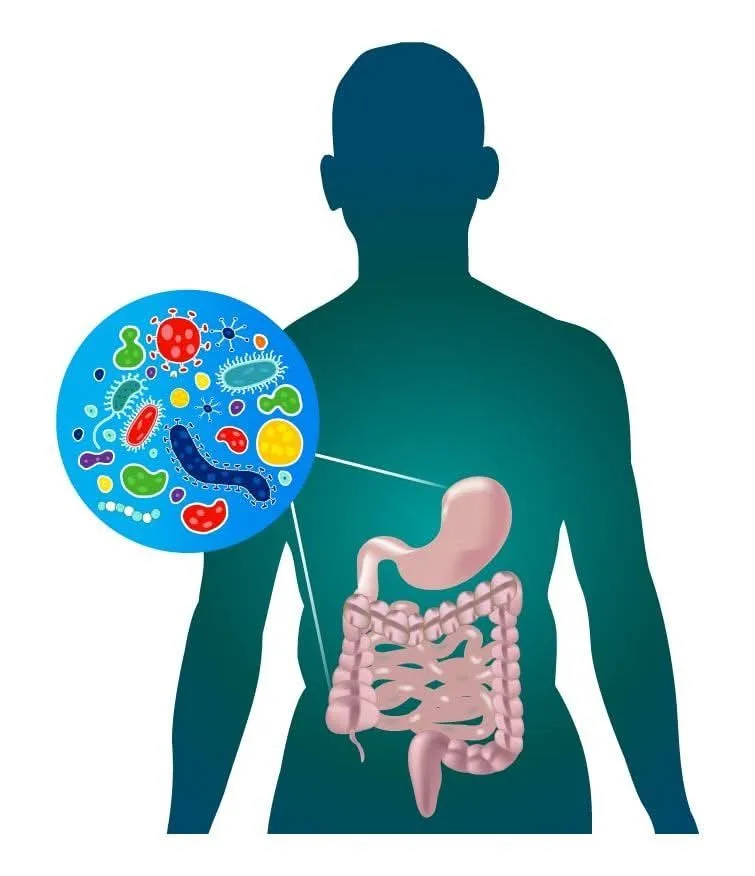
We typically view the human body as a single autonomous biological entity. However, modern medical microbiology reveals that each human body is a thriving superorganism—a dynamic ecosystem teeming with trillions of microscopic organisms collectively designated as the human microbiome.
These microbial communities inhabit our skin, oral cavity, nasal passages, and urogenital tract. By far the densest and most influential colony resides in the human gastrointestinal tract: the gut microbiota. Working silently every second, these microbial partners perform vital physiological services:
- Fermenting indigestible dietary fiber into nourishing short-chain fatty acids (SCFAs) like butyrate and acetate.
- Biosynthesizing essential vitamins, including vitamin K and essential B-complex vitamins (B12, biotin, and folate).
- Priming and educating our adaptive and innate immune cells against invasive pathogenic bacteria.
Microbial Demographics: Human Cells Versus Bacterial Cells
Early medical dogma claimed that microbial cells outnumbered human somatic cells by ten to one. Refined quantitative analyses published in 2016 revised this ratio, demonstrating that an average human body comprises approximately $30$ trillion human somatic cells alongside roughly $38$ trillion symbiotic bacterial cells.
While numerically comparable, our microbial passengers contribute millions of unique genes—vastly outstripping the approximately $20,000$ protein-coding genes of the human genome. Genetically and metabolically, we are as much microbial as we are human.
The Gut-Brain Axis: Our Second Brain
The metabolic influence of the human microbiome extends far beyond gastrointestinal digestion. The gut and central nervous system maintain continuous bidirectional biochemical communication via the gut-brain axis, interconnected through the vagus nerve, immune cytokines, and neuroactive microbial metabolites.
Remarkably, gut microbes produce over $90\%$ of the body’s peripheral serotonin, alongside neurotransmitters such as gamma-aminobutyric acid (GABA) and dopamine, exerting direct influence over mood, cognitive resilience, stress responses, and circadian sleep architectures.
Dysbiosis: Metabolic Breakdown and Chronic Disease
When environmental insults disrupt the diversity of this delicate ecosystem—a pathological state termed dysbiosis—severe physiological disruptions follow. Overuse of broad-spectrum antibiotics, chronic psychological stress, sleep deprivation, and diets high in ultra-processed sugars and industrial additives deplete protective microbial lineages. Dysbiosis is clinically implicated in:
- Metabolic syndrome, insulin resistance, and obesity.
- Inflammatory bowel disease (Crohn’s and ulcerative colitis) and irritable bowel syndrome.
- Systemic autoimmune conditions, including rheumatoid arthritis and multiple sclerosis.
- Neuropsychiatric disorders, such as clinical depression, anxiety, and neurodegenerative decline.
Preserving microbial equilibrium requires feeding beneficial symbionts with prebiotic dietary fiber, diverse raw fruits, vegetables, and fermented foods like kefir, yogurt, and kimchi.
The Frontier of Microbiome Medicine
Harnessing the human microbiome is revolutionizing clinical therapeutics. Fecal Microbiota Transplantation (FMT) and refined oral microbial consortia capsules have demonstrated cure rates exceeding $90\%$ in recurrent Clostridioides difficile infections. Furthermore, oncologists now recognize that a patient’s gut microbiota composition directly dictates responsiveness to immune checkpoint inhibitors in cancer immunotherapy.
As metagenomic sequencing advances, personalized microbiome diagnostics will tailor individualized nutrition, targeted probiotics, and pharmacological therapies. Nurturing our inner microbial ecosystem is foundational to holistic lifelong health.