Professor Ananda Mohan Chakrabarty: Pioneer of Genetic Engineering and Oil-Eating Bacteria
Early Life and Academic Journey
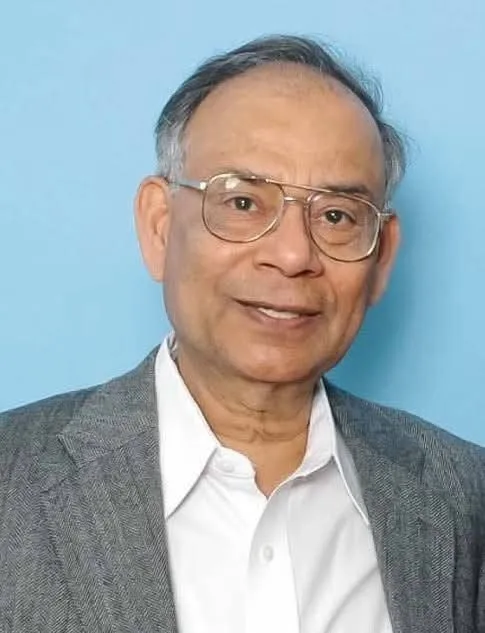
Bengali scientist Ananda Mohan Chakrabarty was born in 1938 in Sainthia, West Bengal. He pursued his higher education at the prestigious University of Calcutta, specializing in microbiology. After completing his doctoral degree in Kolkata in 1965, he relocated to the United States for postdoctoral research. Over the subsequent decades, he established himself as an influential pioneer in the emerging field of genetic engineering.
Combating Marine Oil Spills with Microbes
In the early 1970s, Dr. Chakrabarty began researching strains of Pseudomonas bacteria. Certain wild strains possessed the remarkable natural ability to break down crude petroleum hydrocarbons. Maritime oil spills from tankers represented an ecological disaster for marine ecosystems, prompting researchers worldwide to seek biological remediation methods using hydrocarbon-degrading bacteria.
Engineering the World’s First Superbug
While working as a researcher at General Electric, Dr. Chakrabarty discovered four distinct plasmids inside separate Pseudomonas strains, each carrying genetic instructions to degrade specific petroleum hydrocarbon compounds. Utilizing UV cross-linking techniques, he transferred all four plasmids into a single strain of Pseudomonas putida. The resulting genetically engineered “superbug” could metabolize crude oil at a rate multiple times faster than any natural strain ever found in nature.
The Landmark Battle for Intellectual Property and Patents
Recognizing the tremendous commercial and environmental value of this engineered bacterium, General Electric filed for an invention patent in 1972 on Chakrabarty’s behalf. However, the United States Patent and Trademark Office rejected the claim, asserting that living organisms were natural products of nature and legally ineligible for patent protection. Undeterred, Dr. Chakrabarty and his team appealed the decision through the judicial system, leading to the historic Supreme Court case Diamond v. Chakrabarty (where Sidney A. Diamond served as Commissioner of Patents).
The Historic Supreme Court Ruling
In 1980, the United States Supreme Court delivered a monumental 5-4 ruling in Dr. Chakrabarty’s favor. Writing for the majority, Chief Justice Warren Burger famously declared that patent eligibility depends not on whether an invention is living or inanimate, but whether it is a human-made manufacture or composition of matter—famously noting that patents cover “anything under the sun that is made by man.” Because this multi-plasmid bacterial strain had been created through human engineering, it qualified as a patentable invention.
A Watershed Milestone in Biotechnology
Diamond v. Chakrabarty established an essential legal foundation for the modern biotechnology industry. The landmark ruling provided biotechnology and pharmaceutical companies with the legal certainty needed to protect genetic innovations, spurring decades of rapid investment, drug discovery, and agricultural bioengineering across the globe.
Legacy and Contributions of a Renowned Scientist
In later years, Professor Chakrabarty served as a Distinguished University Professor at the University of Illinois College of Medicine in Chicago, where he conducted pioneering research on bacterial proteins for anticancer therapies. Yet history will forever remember this visionary Bengali microbiologist as the creator of the world’s first patented living organism. Professor Chakrabarty passed away in 2020, leaving behind an enduring legacy that transformed science and intellectual property law forever.