Winter Solstice: The Science of the Shortest Day
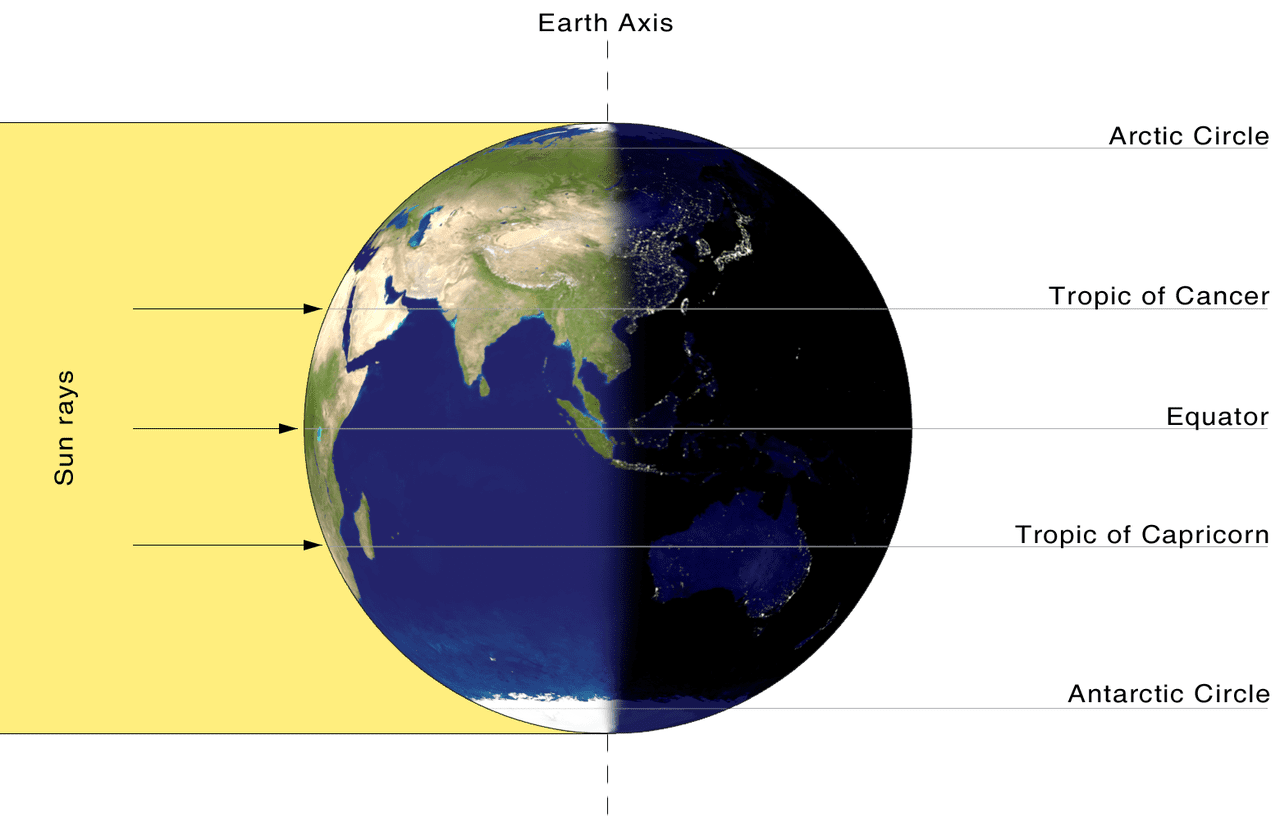
Around December 21 or 22, the Northern Hemisphere experiences the winter solstice—the calendar date featuring the shortest day and the longest night of the year. Conversely, the Southern Hemisphere experiences its longest day and the arrival of summer.
Scientifically, this occurs because the Sun stands directly overhead at the Tropic of Capricorn (23.5 degrees south latitude), marking the southernmost point in the Sun’s apparent annual celestial journey.
The Sun’s Annual Path and Solstices
The term solstice originates from the Latin solstitium, meaning “the Sun stands still.” Due to Earth’s orbital tilt, the Sun reaches two extreme latitudinal boundaries each year:
- Winter Solstice: Occurs on December 21 or 22, bringing the shortest day to the Northern Hemisphere and the longest day to the Southern Hemisphere.
- Summer Solstice: Occurs on June 20 or 21, when the Sun stands over the Tropic of Cancer (23.5 degrees north latitude), providing the longest day in the North.
This explains why December is mid-summer in Australia and New Zealand, while representing the height of winter in Bangladesh, Europe, and North America.
The True Mechanism of Seasonal Change
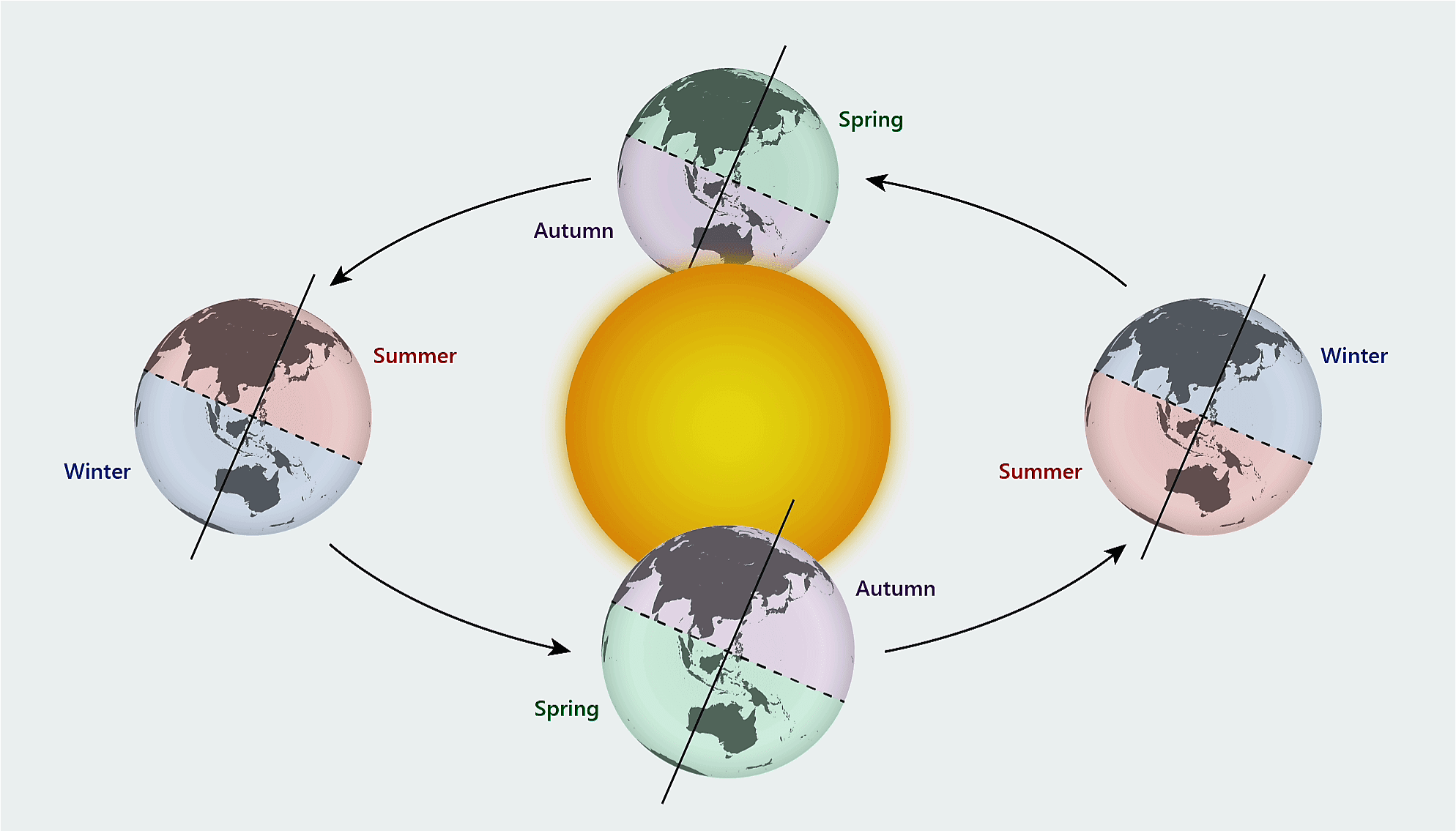
A common misconception is that seasons are caused by Earth’s distance from the Sun. In truth, Earth is at perihelion (closest to the Sun) during early January. Seasonal shifts are produced entirely by:
- Earth’s constant 23.5-degree axial tilt relative to its orbital plane (the ecliptic).
- Earth’s annual orbit around the Sun.
As Earth circles the Sun, the hemisphere tilted toward the Sun receives direct solar rays and longer daylight hours, while the opposite hemisphere experiences shallow solar angles and shorter days.
Geographic Markers and Public Awareness
Worldwide, the Tropics of Cancer and Capricorn cross densely populated regions where public monuments commemorate these solar boundaries:
- In India and Mexico, markers along the Tropic of Cancer offer public educational exhibits on planetary science.
- In Queensland, Australia, markers along the Tropic of Capricorn highlight southern seasonal dynamics.
- In Bangladesh, the Tropic of Cancer passes directly near Comilla, presenting an exceptional opportunity for science education.
Conclusion
The winter solstice marks a celestial turning point. From this moment onward, the Sun begins its northward trek, gradually lengthening daylight hours and reminding us of nature’s eternal cycles.