The World Without Us: What Happens When Humans Vanish?
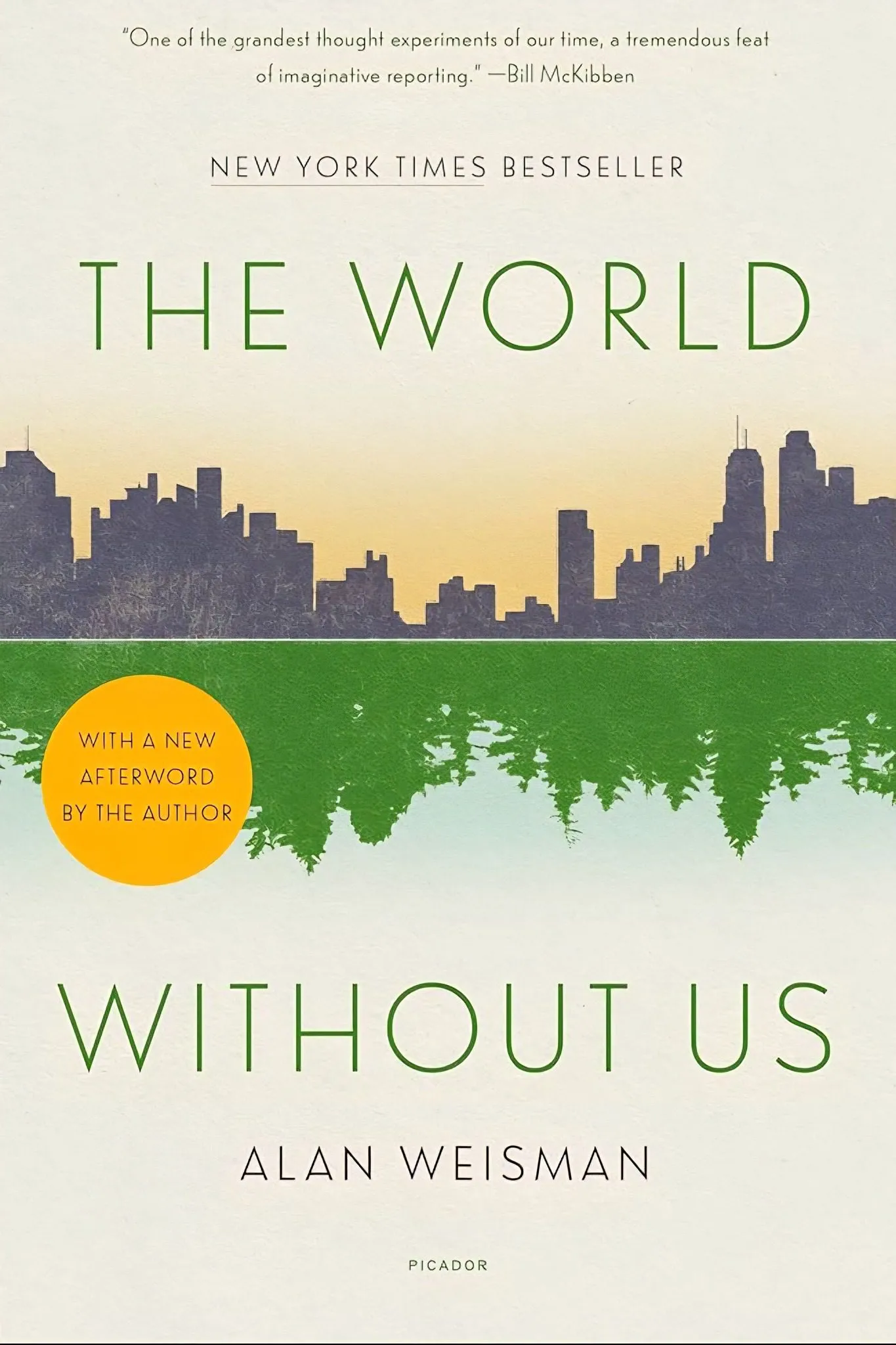
A Provocative Thought Experiment
In his bestselling 2007 book The World Without Us, journalist and author Alan Weisman posed a haunting yet scientifically illuminating thought experiment: if humanity were to disappear from Earth overnight, what would happen to the sprawling cities, infrastructure, and ecosystems we leave behind? Drawing on deep interviews with environmental scientists, structural engineers, hydrologists, and nuclear experts, the book paints an evocative portrait of how quickly nature reasserts its dominion over artificial human creations.
Days One Through Seven: The Collapse of Urban Systems
The modern technosphere requires unceasing human maintenance to hold back natural decay. Within mere hours of our departure:
- Total Blackout: Power grids fail as automated fossil-fuel plants exhaust fuel reserves or trip off-line. Unchecked nuclear reactors enter automated safety shutdowns, and renewable wind and solar stations eventually stall without grid synchronization.
- Flooded Underworlds: In cities like New York and London, mechanical sump pumps running 24/7 pump millions of gallons of groundwater from subway tunnels and road underpasses. Without electricity, subway systems submerge completely within 36 to 48 hours.
- Unchecked Fires: Industrial refineries, chemical storage plants, and gas distribution mains suffer containment failures, igniting runaway conflagrations that burn unchecked for weeks across industrial zones.
Decades Later: The Return of Wilderness
Without mowing, weeding, and asphalt maintenance, nature rapidly reclaims concrete jungles:
- Seeds borne by winds and birds germinate in sidewalk fissures. Roots expand, fracturing concrete and asphalt.
- Within 20 to 50 years, roofs rot, windows shatter, and thermal freeze-thaw cycles break down brick facades, transforming urban streets into forested canyons.
- Domesticated pet breeds unsuited for survival perish, while resilient wild animal populations—wolves, bears, raptors, and deer—recolonize metropolitan centers.
- Rivers dammed by human engineering burst their silted barriers, restoring natural floodplains and cleansing waterways of artificial contaminants.
Centuries to Millennia: The Erasure of Concrete and Steel
After several centuries, structural steel frames rust and collapse. Prestressed concrete bridges and skyscrapers crumble as embedded rebar corrodes, pulverizing majestic skylines into rubble covered by dense forests and soil horizons. Heavy stone monuments—such as the Great Pyramids of Giza and Mt. Rushmore—will endure for tens of thousands of years, along with underground radioactive waste repositories and synthetic microplastics embedded in geologic sedimentary strata.
A Lesson in Ecological Humility
Reflecting on an uninhabited Earth is not an exercise in apocalyptic fear; it is a profound lesson in ecological humility. Earth does not belong to humanity; rather, our species represents a momentary flash in planetary history spanning 4.5 billion years. Nature possesses the boundless capacity to heal and regenerate without us. Recognizing our fragile dependence on Earth’s biosphere should inspire us to act as conscientious stewards of our living world.