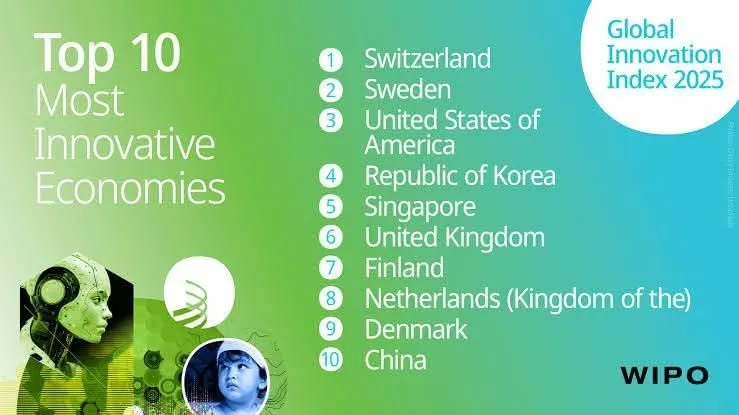
Innovation and Economic Growth: Insights from Nobel Laureates in Economics
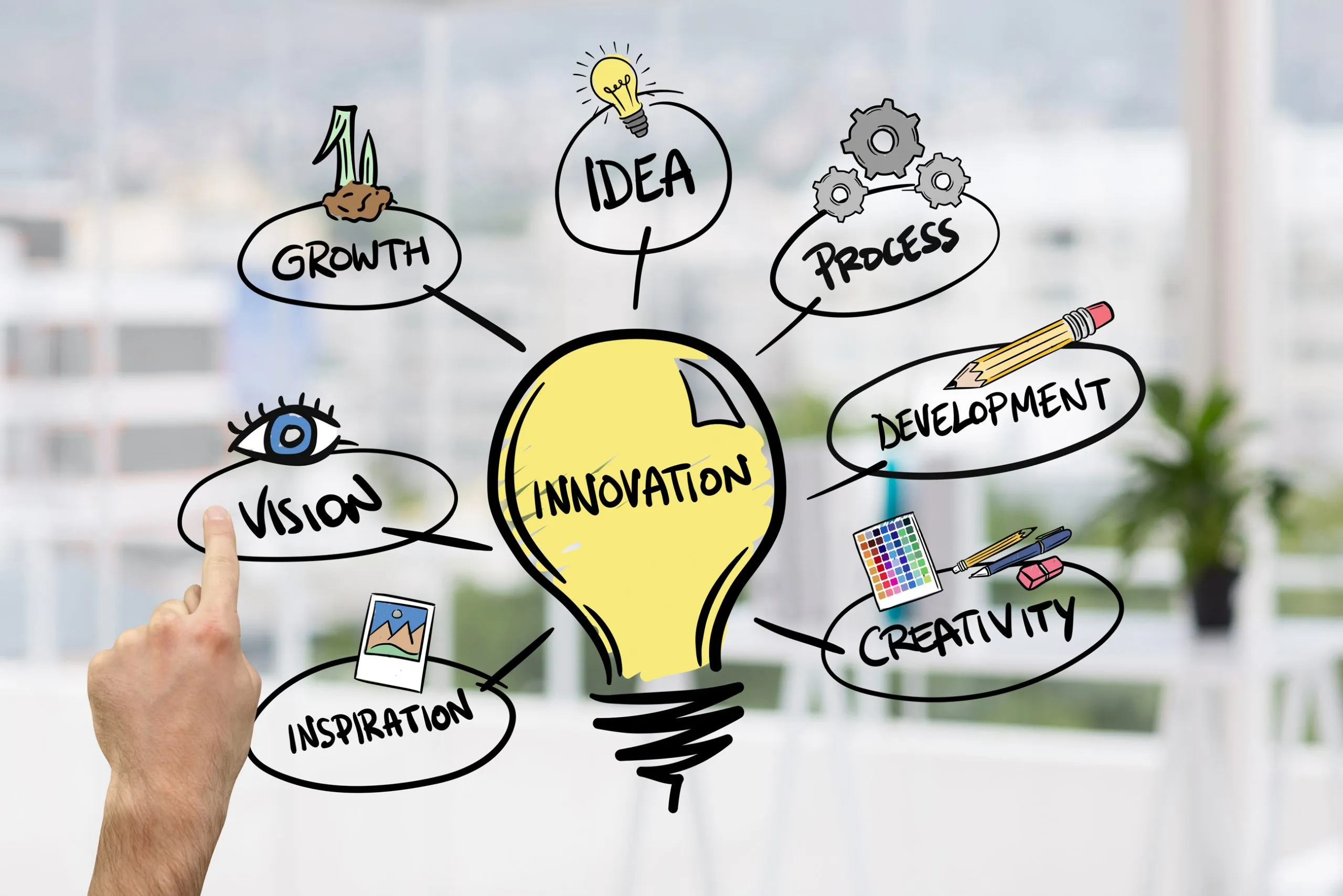
Beyond Capital and Labor: The Engines of Modern Prosperity
Throughout human history, economic production was constrained by the physical limits of arable land, manual labor, and raw capital accumulation. For millennia, living standards remained essentially stagnant. The modern era broke this historical trap not merely by amassing more factories or workers, but by transforming how societies produce and think.
Prominent economic historians and theorists—including Joel Mokyr, Philippe Aghion, and Peter Howitt—have illuminated the crucial mechanisms through which innovation and economic growth act as mutual catalysts, forming the fundamental engine of sustainable prosperity.
Joel Mokyr and the Culture of Scientific Inquiry
Economic historian Joel Mokyr demonstrated that technological advancement cannot flourish in an intellectual vacuum. The Industrial Revolution succeeded in Western Europe because it was preceded by the Enlightenment—a cultural transformation characterized by open debate, empirical inquiry, and the widespread dissemination of “useful knowledge.”
Mokyr emphasized that long-term prosperity requires understanding not just that a machine works, but why it works. When craftsmen only know empirical rules of thumb, technological progress quickly hits a plateau. When engineers understand the underlying scientific laws (thermodynamics, metallurgy, chemistry), successive generations can refine, scale, and generalize earlier breakthroughs, igniting sustained compounding growth.
Creative Destruction: Schumpeter’s Dynamic Renewal
Economists Philippe Aghion and Peter Howitt formalized the concept of “Creative Destruction,” originally popularized by Joseph Schumpeter. Technological progress is inherently disruptive: the arrival of superior products and efficient production models inevitably obsoletes entrenched industries.
For example, the advent of digital smartphones rendered standalone cameras, physical road maps, and mechanical wristwatches largely redundant, just as modern electric mobility is transforming the internal combustion engine sector. This continual cycle of renewal and obsolescence constitutes the vital heartbeat of innovation and economic growth.
Vested Interests and the Fragility of Growth
Because creative destruction displaces established businesses and outdated professions, incumbent market leaders frequently lobby regulators, form cartels, or erect legal barriers to suppress disruptive competitors. If political institutions succumb to these protective impulses, technological innovation stagnates, dragging the economy into systemic inertia.
Sustained economic growth is not an automatic law of nature; it is a fragile institutional achievement that demands competitive markets, intellectual property protection, rule of law, and a societal willingness to embrace change.
Conclusion
True economic development cannot be measured solely by physical infrastructure like roads and bridges. Lasting prosperity requires fostering institutional ecosystems that welcome intellectual curiosity, permit constructive failure, and recognize that innovation and economic growth depend on creating room for tomorrow’s ideas today.