Barbara McClintock: The Discovery of Jumping Genes and a Nobel Legacy
A Lone Pioneer in Maize Genetics
In the mid-twentieth century, when mainstream molecular biology regarded chromosomes as rigid, unchanging strings with genes arranged like immovable beads, one American cytogeneticist challenged orthodox dogma. Her name was Barbara McClintock, and her pioneering investigations into the cytogenetics of Indian maize (corn) would fundamentally revolutionize modern understanding of the genome.
Working at Cold Spring Harbor Laboratory on Long Island, McClintock developed groundbreaking staining and microscopic techniques. Long before DNA sequencing existed, she visually mapped individual maize chromosomes under the microscope, providing the first physical demonstration of chromosomal crossing-over during meiosis—the biological mechanism whereby homologous chromosomes exchange genetic material to produce genetic variation.
Unlocking the Ac/Ds Transposon System
During the 1940s, McClintock investigated the curious, variegated mosaic pigmentation patterns visible on maize kernels—such as kernels mottled with purple and yellow streaks. Rather than being caused by conventional random mutations, McClintock deduced that dynamic chromosomal breaks were taking place.
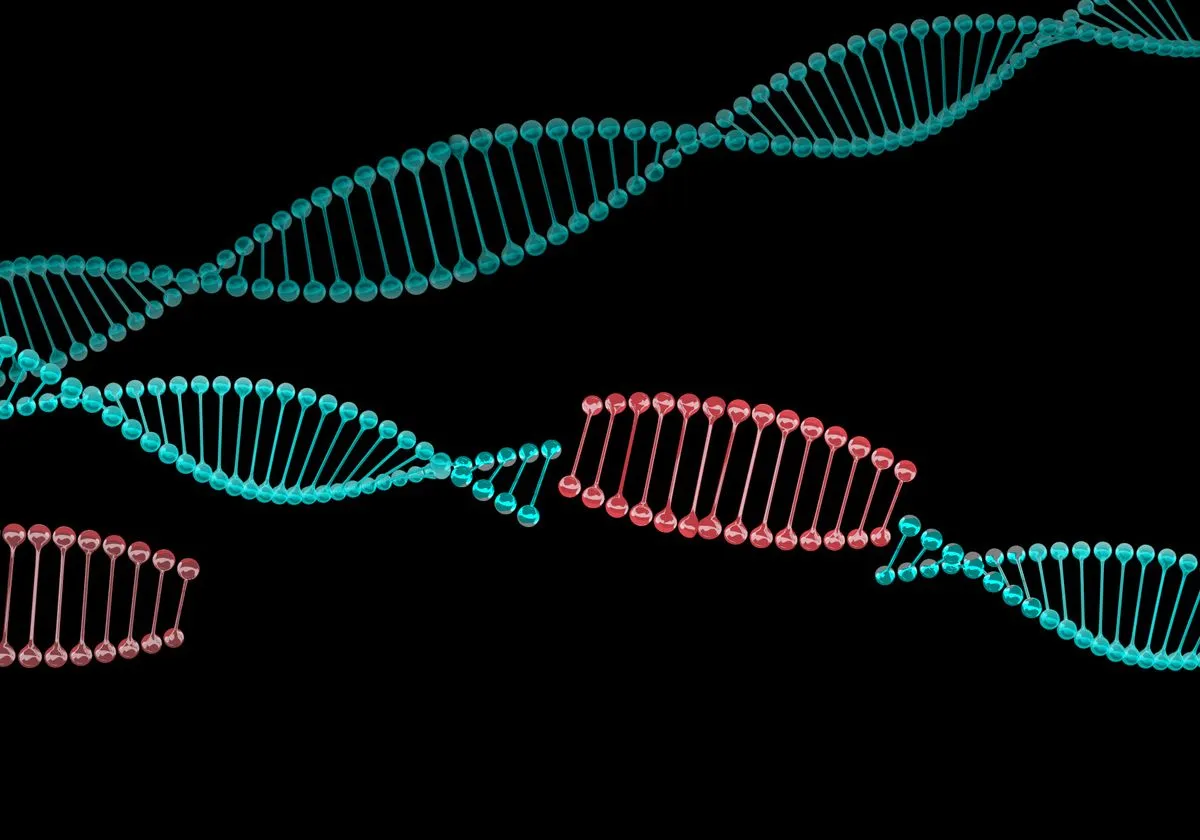
Through meticulous breeding experiments and chromosomal tracking, she discovered specific genetic elements capable of physically moving from one locus on a chromosome to another, or even jumping to an entirely different chromosome. She termed these mobile elements the Activator (Ac) and Dissociation (Ds) systems—popularly known today as jumping genes or transposons.
When an element transposed into a gene responsible for pigment production, it shut that gene off, resulting in colorless tissue. When the transposon excised itself during cell division, pigment production was restored, creating distinctive mosaic sectors.
Decades of Skepticism and Vindication
When McClintock presented her findings at the prestigious 1951 Cold Spring Harbor Symposium, she was met with cold skepticism and open disbelief from the patriarchal scientific establishment. Her contemporaries could not reconcile mobile genetic control elements with the prevailing static view of the genome. Undaunted, McClintock quietly stopped publishing in major journals but continued her rigorous research with unwavering intellectual confidence.
By the late 1960s and 1970s, molecular biologists began identifying transposable elements in bacteria, fruit flies, yeast, and mammalian systems. Subsequent whole-genome sequencing revealed that transposable elements are ubiquitous across all complex life—in fact, non-coding transposable sequences constitute roughly $45\%$ of the human genome, driving evolutionary novelty and gene regulation.
The 1983 Nobel Triumph
Recognition of McClintock’s genius culminated in 1983, when she was awarded the solo Nobel Prize in Physiology or Medicine for her discovery of mobile genetic elements, becoming the first woman to win an unshared Nobel Prize in that category.
Her extraordinary career remains an inspiring testament to scientific integrity, acute observation, and intellectual courage in the face of widespread scientific dogmatism.